
How to Plan a Trip for Beginners: The Ultimate Beginner Travel Planning Guide
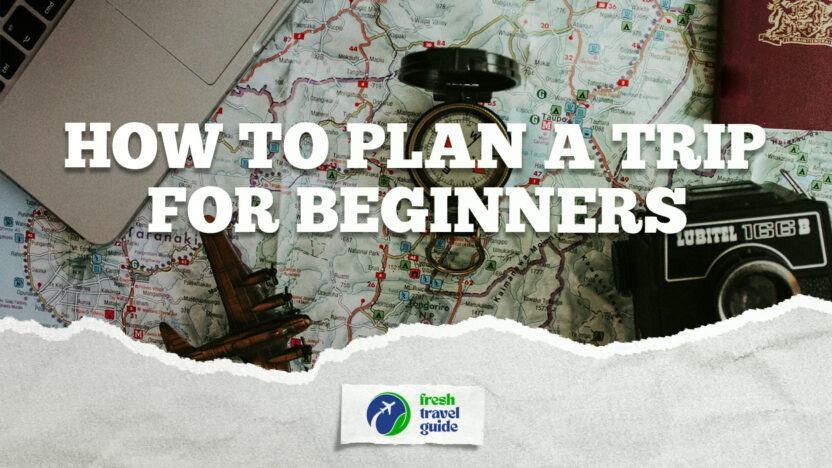
Planning your first trip can feel exciting but overwhelming. How to plan a trip for beginners is a skill that ensures your adventure is smooth, fun, and worry-free. Proper travel planning helps reduce stress, avoiding last-minute surprises and making sure you get the most out of your trip. Whether it’s your first vacation or first big journey, having a clear, detailed plan is the key to success.
This blog post is a complete trip planning guide designed specifically for beginners. We will walk you through every step, from choosing a destination to packing smartly. You will also find practical beginner travel tips and trusted tools to help you book flights, accommodation, transport, and activities with confidence. Let’s dive in!
Understanding Travel Planning Basics for Beginners
Travel planning means organizing all the important pieces of your trip. This includes picking where to go, deciding your budget, booking flights and places to stay, arranging local transport, and preparing your itinerary. It also covers packing and managing your travel documents.
For travel planning for beginners, having a clear structure is essential. Without it, first-time travelers often face common challenges:
- Picking destinations or seasons not suited to their interests or budget
- Finding it hard to use booking platforms properly
- Forgetting important documents like visas or reservations
- Misjudging time needed or expenses, leading to overspending
- Handling unexpected changes such as cancellations or delays
Following a detailed trip planning guide reduces these risks and improves the quality of your travel experience. Preparation creates peace of mind and lets you focus on enjoying your journey.
Step 1: Determine Your Destination and Trip Duration
The very first step in how to plan a trip is choosing your destination. This decision should balance your interests such as culture or adventure, budget limits, and the best season to visit. Weather, local events, and tourist crowds vary by season and can hugely impact your trip enjoyment.
Next, figure out how many days you can take off and consider travel fatigue. Smaller cities might need just a few days, while larger countries require more time. Being realistic helps avoid rushed or costly trips.
Once you decide on destination and dates, platforms like Booking.com and Airbnb make it easy to find flexible accommodation. Their wide selection suits all budgets and preferences, giving you freedom to adjust as plans evolve.
Step 2: Set a Realistic Travel Budget
A solid budget is the backbone of successful travel planning for beginners. Your budget should include:
- Accommodation costs — hotels, rentals, hostels
- Transportation — flights, local transit, car rentals
- Meals and daily expenses
- Activities and tours
- Miscellaneous or shopping expenses
It’s smart to set aside an emergency fund for unexpected costs like medical needs or last-minute changes.
Travel insurance is a must-have for beginners. It protects you from losing money on cancellations, covering medical emergencies, or replacing lost belongings. World Nomads Travel Insurance is a top choice, offering beginner-friendly policies that are easy to understand and customize.
Step 3: Research and Book Flights Smartly
Finding affordable and convenient flights is simpler with the right tools. Use flight comparison sites such as Google Flights, Skyscanner, and Hopper to compare prices across airlines and dates.
Book your flights early—usually 2-3 months in advance—to get the best deals. Choose flight times that minimize inconvenience by avoiding red-eye flights or long layovers.
Flight tracking apps from Skyscanner and Hopper help you monitor price changes and snag good fares when they pop up.
Step 4: Plan Your Accommodation with Confidence
Accommodation options range widely: hotels, hostels, vacation rentals (like Airbnb), guesthouses—each suits different budgets and preferences.
Before booking, always:
- Read traveler reviews to understand quality and service
- Check the location relative to your planned activities
- Evaluate amenities such as Wi-Fi, breakfast, or airport shuttles
Platforms like Booking.com and Hotels.com offer extensive choices, competitive pricing, and trustworthy reviews—ideal for those new to travel.
Step 5: Organize Local Transportation
Moving around once you arrive is a vital part of your trip. Options vary:
- Public transit (buses, subways) — cost-effective but may require navigation skills
- Rental cars — flexible but consider driving laws and parking
- Taxis and rideshare apps (Uber, Lyft) — convenient though sometimes pricier
Planning your routes and schedules before you travel avoids confusion. To book rental cars worldwide easily, Rentalcars.com is a beginner-friendly platform with transparent pricing.
Step 6: Prepare Your Travel Documents Carefully
Travel documents are a must-check before departure. Essentials include:
- Valid passport with at least six months validity
- Any required visas for your destination
- Driver’s license if you plan to rent a car
- Health-related certificates or vaccination proof if necessary
Double-check expiration dates and entry requirements well in advance.
It's best to organize digital copies safely on your phone or cloud and carry physical copies in a travel wallet to prevent loss or delays through security checks.
Step 7: Plan Your Itinerary and Daily Activities
Research key attractions, cultural sites, local events, and must-see sights at your destination. A well-crafted itinerary balances busy sightseeing days with relaxing downtime to avoid burnout.
Booking tours and special experiences ahead of time often secures availability and offers discounts. Trusted platforms for this include GetYourGuide and Viator, which specialize in guided tours and unique local activities worldwide.
Remember to keep your schedule flexible to accommodate unexpected discoveries or changes.
Step 8: Pack Smart and Prepare Your Travel Gear
Packing well prevents stress and travel hassles. Create a checklist based on your destination’s climate, trip duration, and planned activities.
Essentials to pack:
- Versatile clothing layers suitable for weather
- Toiletries and personal medications
- Travel gadgets like a durable backpack (e.g., from Nomatic)
- Portable charger for devices (Anker recommended)
- Packing cubes (Eagle Creek) to organize and save space
Investing in quality travel gear makes your journey easier and more comfortable.
Step 9: Purchase Connectivity Solutions for Travel
Staying connected helps with navigation, keeping in touch, and emergencies. Your options include:
- Local SIM cards — cheap but require device compatibility and sometimes registration
- eSIMs — digital SIMs that switch on instantly without physical cards
- Portable WiFi devices — handy for multiple devices, no SIM swaps needed
Global, beginner-friendly products like Airalo eSIM and Skyroam Portable WiFi offer hassle-free data plans with simple activation, ideal for first-time travelers.
Step 10: Final Pre-trip Checklist
Before you head to the airport, complete these essential tasks:
- Confirm all bookings: flights, accommodation, tours
- Check weather forecasts to adjust your packing
- Inform banks and credit card companies about your travel dates to prevent card blocks
- Arrange home or pet care as needed
- Plan to arrive early at the airport to allow smooth security and boarding
This last review minimizes stress and last-minute surprises.
Beginner Travel Tips Summary
As you prepare to plan your first trip, keep these beginner travel tips in mind:
- Plan thoroughly but stay adaptable if things change
- Prioritize safety with travel insurance and proper documents
- Use reliable and recommended booking platforms (Skyscanner, Booking.com, GetYourGuide)
- Pack smartly for your destination’s climate and itinerary
- Learn a few basic phrases in the local language to enrich your experience
- Take time to enjoy the journey—don’t rush
FAQs for Beginners on How to Plan a Trip
What is the best way to start travel planning for beginners?
Begin with setting a budget and choosing a destination based on your interests and the best travel season.
When should flights and accommodation be booked?
Ideally, 2 to 3 months before your travel dates guarantees better prices and availability.
What travel essentials should beginners always carry?
Passport, travel insurance, medications, local currency, chargers, and copies of important documents.
How do I handle unexpected changes or cancellations?
Use flexible booking options, have a good travel insurance policy, and maintain backup plans for key itinerary elements.
Is travel insurance necessary for beginners?
Yes, it offers crucial protection against medical emergencies, cancellations, or lost belongings and reduces travel stress significantly.
Conclusion
Knowing how to plan a trip for beginners is essential to create a stress-free and enjoyable travel experience. Carefully following this step-by-step trip planning guide, supported by trusted tools and recommended resources, will empower you to travel confidently and smoothly.
Explore these platforms to streamline your travel planning: from booking flights on Skyscanner and accommodations on Booking.com, to securing your travel insurance with World Nomads and booking tours via GetYourGuide.
Start your travel planning journey today, and open the door to unforgettable adventures!