
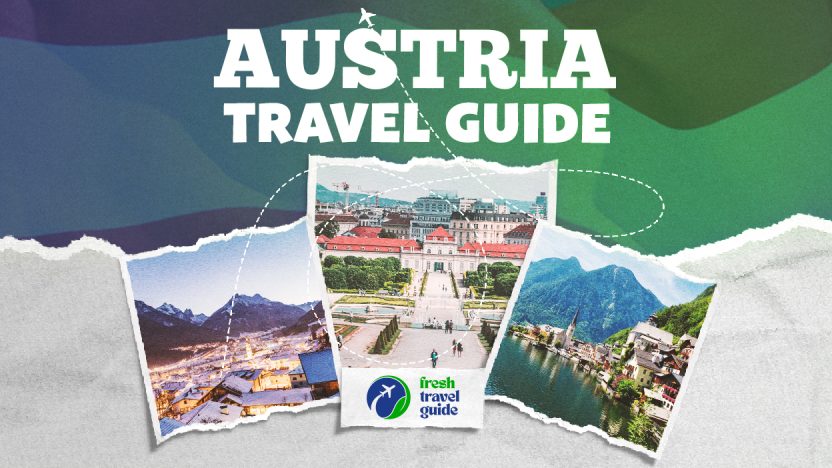
Austria is a destination that perfectly blends rich history, vibrant culture, and stunning natural landscapes. This Austria travel guide will introduce you to everything from lively cities to peaceful alpine retreats. Whether you seek the buzz of urban life or quiet moments in nature, Austria offers diverse experiences for all travelers. Alongside insider travel tips Austria visitors appreciate, you will discover top things to do in Austria, the best places Austria has to offer, and practical itinerary ideas for a seamless trip.
Best Places to Visit in Austria
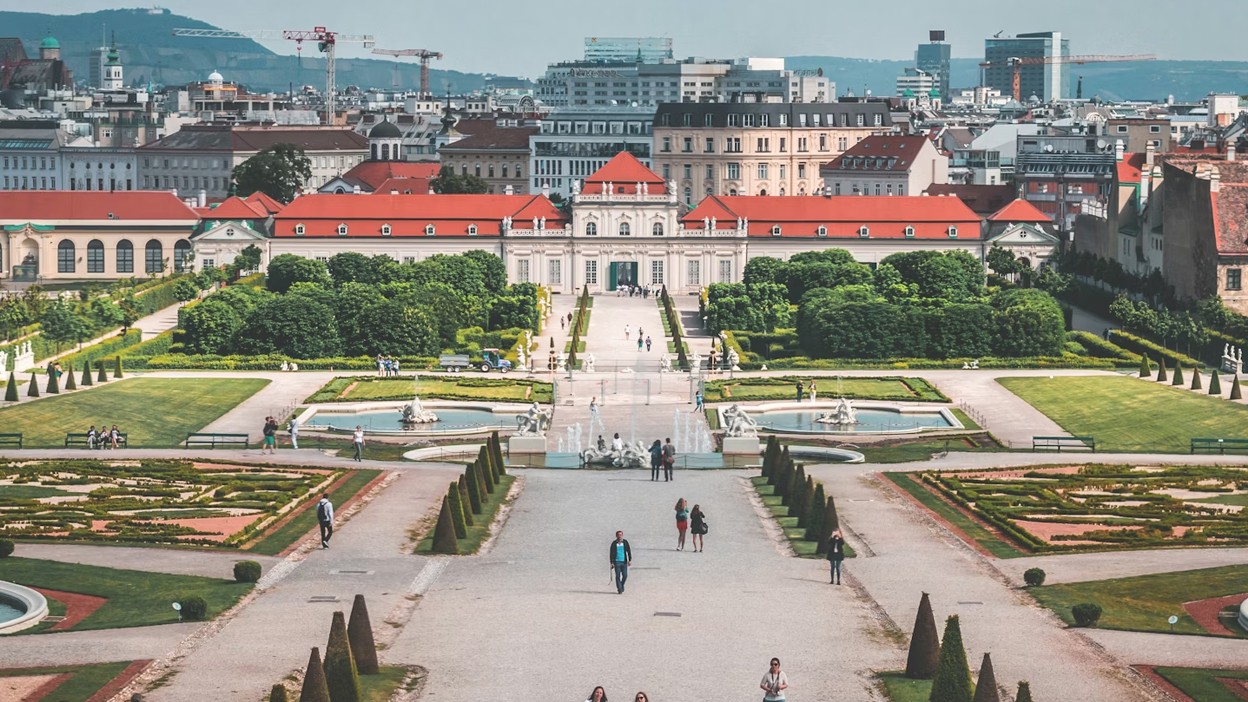
Austria has a wide variety of destinations to explore, making it easy to find something that fits your style. From bustling city streets to serene lakeshores, here are the best places Austria presents to visitors.
Vibrant Cities: Vienna and Salzburg
Cities like Vienna and Salzburg pulse with energy, culture, and history. Vienna is the imperial capital with grand palaces, world-class museums, and a thriving café culture. Salzburg, Mozart’s birthplace, charms with baroque architecture and lively music festivals. These urban hubs are perfect for travelers who enjoy museums, classical music, historic landmarks, and vibrant street life.
Cultural Heartlands: Graz and Hallstatt Area
The cultural heartlands like Graz and the Hallstatt region highlight Austria’s artistic heritage and rural traditions. Graz offers a UNESCO-listed old town with a young, dynamic atmosphere, while Hallstatt delights with its picturesque lakeside scenery and ancient salt mines. These areas appeal to travelers who want to immerse themselves in history, art, and authentic local culture.
Alpine Retreats: Tyrol and Zell am See
Mountain lovers will find refuge in Austria’s alpine retreats such as Tyrol and Zell am See. Known for skiing, hiking, and breathtaking mountain views, these regions offer peaceful natural escapes. Ideal for outdoor enthusiasts and anyone seeking tranquility amid scenic beauty.
Countryside and Scenic Lakes: Wachau Valley and Salzkammergut
The pristine countryside and sparkling lakes of Wachau Valley and Salzkammergut are among the best places Austria has to offer for nature lovers. These regions feature rolling vineyards, historic villages, and calm freshwater lakes perfect for boating and swimming. They are suited to travelers wanting to relax in serene, scenic settings.
Austria truly caters to every taste. Whether you want dynamic city experiences or peaceful nature escapes, this Austria travel guide helps you pinpoint the perfect destinations.
Things to Know Before Visiting Austria
Knowing a few key travel tips Austria welcomes visitors with can make your trip smoother. Here are practical details to keep in mind.
Language
German is Austria’s official language, but Austrian German has unique accents and expressions. Basic greetings like “Grüß Gott” (hello) and polite words such as “Danke” (thank you) and “Bitte” (please) are appreciated. Learning a few local phrases helps foster friendly interactions.
Currency
Austria uses the Euro (€). Card payments are widely accepted in cities and tourist areas, but carrying some cash is useful for small markets, rural shops, and tipping. Small bills and coins come in handy.
Tipping
Tipping in Austria typically involves rounding up the bill or leaving about 5–10% in restaurants and taxis. It’s a courteous gesture showing appreciation for good service.
Internet and SIM Cards
Free WiFi is common in urban areas and cafes, but connectivity in rural or alpine regions can be spotty. For reliable mobile data throughout your trip, consider purchasing a local SIM card, which is easy to find at airports or electronic stores.
These travel tips Austria visitors follow contribute to a more comfortable and enjoyable stay.
Cultural Customs Tourists Should Know
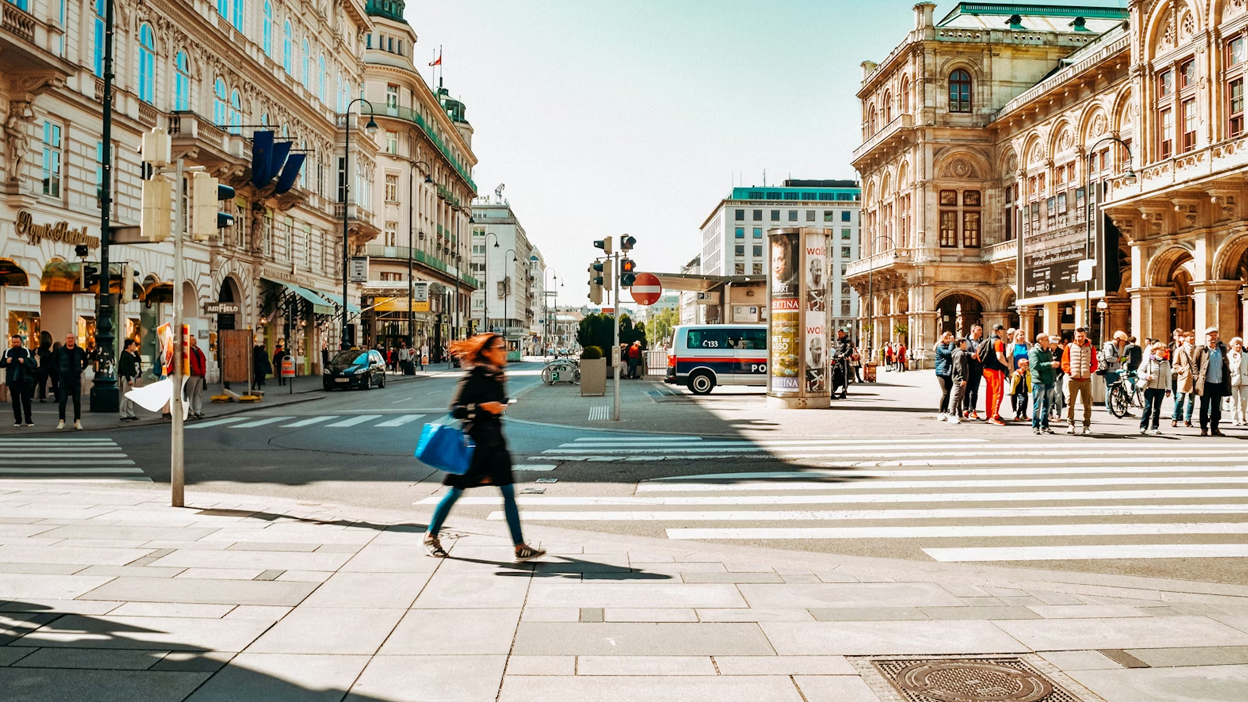
Understanding Austrian customs enhances your experience and helps you blend in with locals respectfully.
Punctuality
Austrians value punctuality highly. Whether it’s tours, appointments, or social gatherings, being on time is expected. Arriving late, even by a few minutes, may be seen as impolite.
Formality
Formal greetings are the norm, especially at first meetings. Using titles and last names shows respect. In public spaces, polite behavior is important, including soft voices and orderly conduct.
Common Customs
When visiting Austrian homes, it is common to remove your shoes. Quiet hours usually run from 10 pm to 6 am, so keeping noise levels low at night is appreciated. Austria also has excellent recycling habits, so separating waste properly is a social norm.
Tourist Etiquette Tips
Avoid speaking loudly on public transport or misunderstanding dining customs, such as waiting for everyone to be served before eating. Paying attention to these norms helps you avoid common tourist missteps and enjoy smoother interactions.
This Austria travel guide encourages respectful behavior to enrich your trip.
Common Scams Tourists Should Avoid in Austria
While Austria is generally safe, being aware of potential scams helps you avoid unwelcome surprises.
- Pickpocketing: Crowded tourist spots in Vienna and Salzburg can attract pickpockets. Keep wallets in front pockets or use secure bags.
- Unofficial Taxis: Use only licensed taxis or reputable ride apps. Avoid unmarked cars offering rides.
- Aggressive Street Vendors: Be cautious around markets where sellers pressure you to buy souvenirs or tickets. Politely decline and walk away.
- Fake Tickets: Buy tickets for museums, concerts, and transport from official sources to avoid counterfeit passes.
Stay alert but not paranoid. Using common sense and following these travel tips Austria visitors trust will keep your trip safe.
Travel Mistakes to Avoid in Austria
Avoid these common pitfalls to get the most from your visit.
Overpacking
Austria’s weather is changeable, especially in mountain areas. Pack versatile layers and waterproof clothing rather than heavy single outfits.
Under-Planning
Limiting your stay to Vienna alone means missing much of Austria’s charm. Explore Salzburg, the alpine regions, and lakes to capture the country’s diversity as suggested in this Austria travel guide.
Timing Errors
Check local holidays and museum closing days. Peak seasons like ski months or summer festivals can be crowded and require advance bookings.
Transportation Misunderstandings
Train and bus schedules can differ by region, and travel times may be longer than they appear on maps. Plan accordingly and allow buffer time.
By avoiding these mistakes, your trip will be smoother and more rewarding.
Best Time to Visit Austria
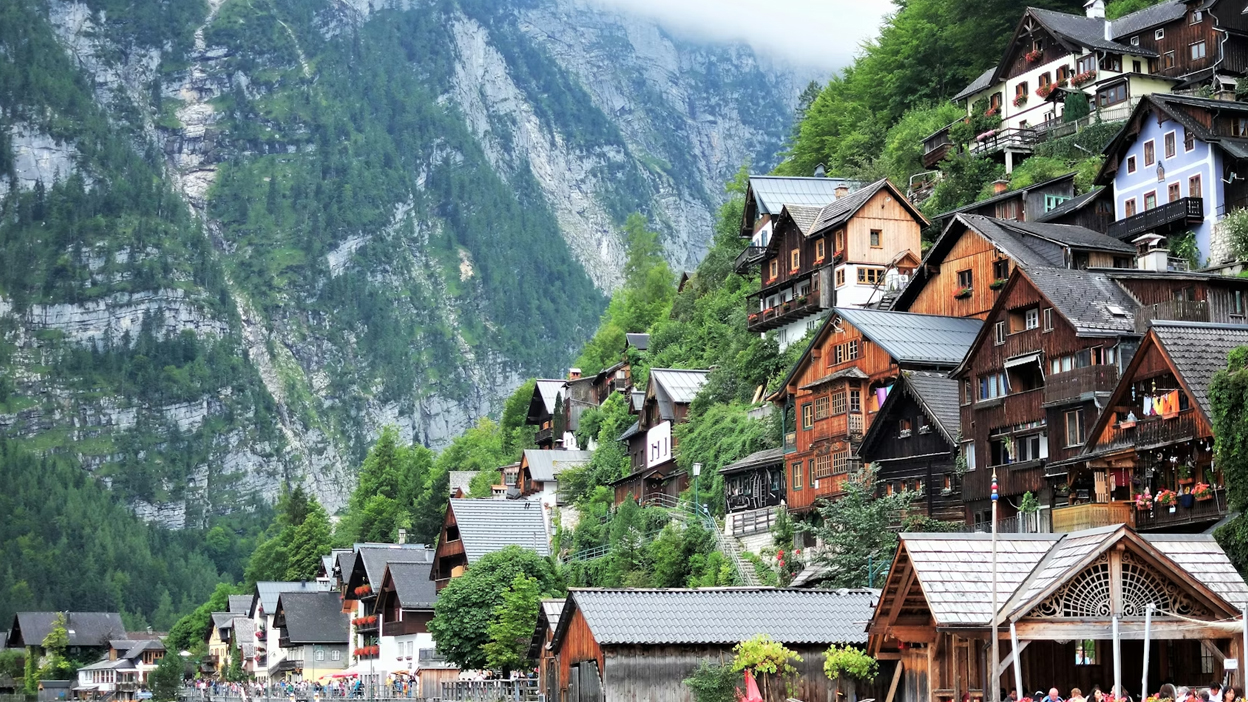
Choose your season based on what you want from your trip.
Winter
Perfect for skiing, winter sports, and visiting festive Christmas markets. Alpine lodges offer cozy retreats amid snowy landscapes.
Spring
Mild weather and blooming flowers create ideal hiking conditions with fewer tourists.
Summer
Warm weather invites outdoor festivals, lake swimming, and café culture. Tourist spots are busier but lively.
Autumn
Fall foliage colors valleys and forests beautifully. Harvest festivals and quieter towns offer a peaceful vibe.
Regional climates vary: alpine zones stay snowy longer while lowland cities have gentler weather. First-time visitors should pick the season that suits their interests, whether winter sports or sightseeing.
A Simple Itinerary for First-Time Visitors
Here’s a flexible itinerary to discover Austria’s highlights in 7 to 14 days.
- Days 1–3: Vienna
Explore imperial palaces, art museums, music venues, and vibrant city life. - Days 4–6: Salzburg or Graz
Immerse in history, music, and local culture in these beautiful, culturally rich towns. - Days 7–10: Alpine or Lake Region (Tyrol or Salzkammergut)
Enjoy nature—go hiking, skiing, or relax by lakes surrounded by majestic mountains.
This itinerary can be personalized based on your interests and pace. Train connections and car rentals make travel between these regions convenient.
Major Cities and Regions in Austria
Brief descriptions to help you decide where to go.
- Vienna: Known for its majestic history, thriving café scene, and rich art and music culture.
- Salzburg: Mozart’s birthplace with stunning baroque buildings and renowned music festivals.
- Innsbruck and Tyrol: Popular mountain sports hub with charming alpine ambiance and ski resorts.
- Graz: A UNESCO-listed old town offering a youthful vibe and artistic heritage.
- Salzkammergut and Freshwater Lakes: Home to pristine lakes, hiking trails, and peaceful nature escapes.
Each region adds a unique flavor to your Austria travel experience.
Austria Travel Checklist
Prepare well with these essentials tailored for Austrian travel.
- Clothing: Pack layers for varying temperatures, waterproof jackets, and sturdy walking shoes.
- Language Aids: Phrasebook or app with common German and Austrian expressions.
- Electronics: European power adapters (Type F), chargers, and a portable battery pack.
- Money: Mix of Euros in cash and cards; keep some small bills and coins handy.
- Travel Passes: Consider Vienna Card, Salzburg Card, or regional museum passes for savings.
- Miscellaneous: Umbrella, sunscreen (especially for alpine sun), and small gifts if visiting locals.
These travel tips Austria seasoned visitors rely on ensure a stress-free trip.
Conclusion
Austria’s rich blend of stunning nature, vibrant culture, deep history, and warm customs makes it an unforgettable travel destination. Equipped with this detailed Austria travel guide, you are ready to explore the country’s best places, enjoy exciting things to do in Austria, and navigate your journey confidently. For deeper exploration, consider specialized guides on cities or activities to tailor your perfect Austrian adventure. Happy travels!