
Belgium may be a small country, but it offers a rich and surprisingly varied travel experience. This Belgium travel guide covers everything you need to know to make the most of your visit. From its culturally diverse regions to vibrant cities, medieval towns, and peaceful countryside, Belgium is a destination full of history, art, and natural beauty.
Known for its unique fusion of languages—French, Dutch, and German—Belgium presents travelers with a captivating blend of traditions and modern life. Whether you’re wandering cobbled streets, enjoying world-class cuisine, or exploring tranquil nature, you’ll find a wide range of things to do in Belgium. This guide will help you navigate the country’s subtle travel challenges and unlock its best spots, ensuring your trip is smooth and memorable.
Inside this comprehensive Belgium travel guide, you’ll find detailed descriptions of the best places Belgium has to offer, practical travel tips to help you avoid common mistakes and scams, cultural customs to respect, the best time to visit, and a simple 9-day itinerary for first-time visitors. Let’s dive in and explore this beautiful country in depth.
Best Places to Visit in Belgium: Discover the Diverse Regions and Unique Atmospheres
Belgium’s charm lies in its diversity. The country has several key regions, each with a distinct atmosphere and unique offerings.
- Brussels: The Cosmopolitan Capital Brussels is a bustling multicultural metropolis. It is home to major international institutions like the European Union and NATO. The city buzzes with lively urban life, featuring vibrant neighborhoods, museums, and a diverse food scene ranging from gourmet dining to casual street fare. This capital city perfectly blends tradition and modernity.
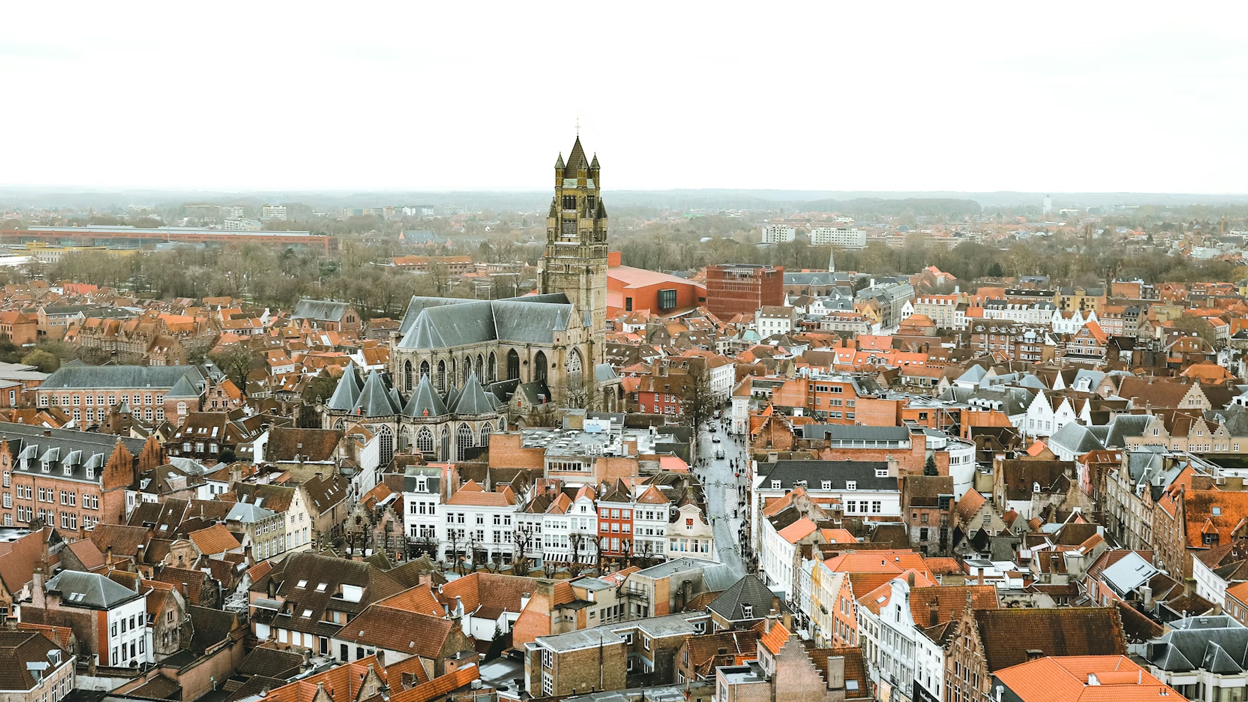
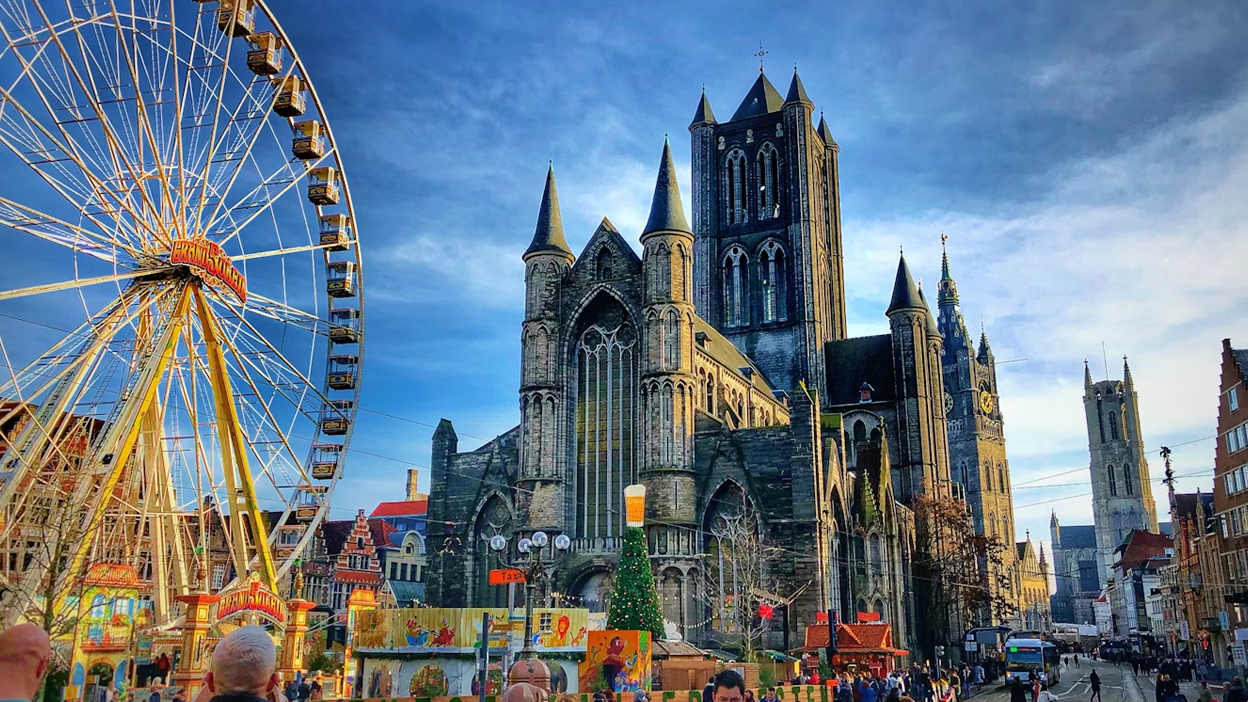
- Flanders: Medieval Charm and Riverside Relaxation Flanders, particularly cities like Bruges and Ghent, offers historic architecture and a relaxed pace. You’ll find medieval streets, peaceful canals, and riverside cafés where time almost stands still. The area is perfect for travelers seeking picturesque views and cultural richness in a quieter setting.
- Antwerp: History Meets Modern Art and Cuisine Antwerp merges its rich history as a major port city with a thriving art scene and innovative gastronomy. Known as a fashion capital and a hub for the diamond trade, Antwerp also delights visitors with museums, street art, and excellent restaurants serving both traditional Flemish dishes and international flavors.
- Wallonia: Tranquil Countryside and Rolling Hills The southern region of Wallonia features rolling hills, green forests, and charming traditional villages. It offers a peaceful escape from urban life with beautiful castles, quaint markets, and plenty of outdoor activities in nature.
- Flemish Coast: Beaches and Seaside Towns Belgium’s coastline along the North Sea is dotted with sandy beaches, fresh sea air, and small coastal towns full of maritime charm. The Flemish coast is ideal for lovers of seafood, beach walks, and relaxed coastal living.
- Ardennes: Nature and Serenity For true outdoor enthusiasts, the Ardennes region offers thick forests, hiking trails, and wildlife observation. This nature-rich area is less touristy and provides a serene getaway with opportunities for kayaking, cycling, and exploring natural parks.
These best places Belgium presents allow visitors to tailor their travel experience, whether they seek urban excitement, historical exploration, or quiet nature.
Things to Know Before Visiting Belgium: Essential Travel Tips Belgium
Understanding Belgium’s practical details will make your trip easier and more enjoyable. Here are key travel tips Belgium visitors should know.
Language Landscape:
- Dutch-speaking Flanders (north)
- French-speaking Wallonia (south)
- German-speaking community (small area in the east)
Language impacts everything from road signs to menus and customer service. In Flanders, Dutch (often referred to as Flemish) is dominant, while French prevails in Wallonia and Brussels is bilingual. German is spoken in few eastern municipalities. Knowing basic greetings in all three languages can enhance communication.
Currency and Payments: Belgium uses the Euro (€). Credit and debit cards are widely accepted in cities and major tourist spots. However, some rural areas, small shops, cafés, and markets still prefer cash, so carrying some euros is advisable.
Tipping Culture: Tipping in Belgium is polite but not strictly required. In restaurants, leaving about 5-10% is common if service is good. In cafes and taxis, rounding up the bill to the nearest euro is typical.
Connectivity and Mobile Internet: Belgium offers good mobile coverage in urban areas, with some drops in rural zones like the Ardennes. Major local SIM card providers include Proximus, Orange Belgium, and Base. Many public spaces such as cafés, libraries, and train stations offer free Wi-Fi.
Transport Basics
- The national rail network (SNCB/NMBS) connects major cities and regions.
- Urban centers have tram systems and city buses.
- Renting a car is convenient for visiting rural or less accessible areas.
- Keep in mind regional differences in public transportation schedules and ticketing that require awareness.
These travel tips Belgium travelers must know help avoid common inconveniences.
Cultural Customs Tourists Should Know: Travel Tips Belgium
Respecting local customs helps ensure a smooth and pleasant visit.
- Greetings and Social Etiquette: Belgians typically greet with a handshake when meeting formally or in business settings. In informal or friendly contexts, especially in Wallonia and Brussels, three light kisses on the cheek is common.
- Punctuality is highly valued. Being on time for appointments and social events shows respect.
- Dining Manners: During meals, polite conversation is expected. Wait until everyone is served before beginning to eat. Avoid speaking loudly, and smoking is banned inside restaurants but permitted in designated outdoor areas.
- Behavior in Urban vs Rural Areas: City life is generally more formal and quieter indoors. In the countryside, locals tend to be more relaxed but still appreciate polite and discreet behavior.
- Sensitive Topics: Belgium has complex language politics and social identities. Avoid taking sides about Flemish vs Walloon issues or politics unless well-informed. Respect the multilingual nature by not favoring one language over another when possible.
Belgians appreciate discretion and subtlety in conversation.
Common Scams Tourists Should Avoid in Belgium: Travel Tips Belgium
Being aware of scams common in popular tourist areas helps you stay safe.
Pickpocketing and Distraction Thefts: Busy places like train stations, markets, and main squares are hotspots. Scammers often use distraction techniques—friendly asks for directions, dropping items, or street performances—to steal wallets or phones.
Taxi Overcharging: Some taxi drivers may charge inflated fares or take longer routes. Always use metered taxis or reputable ride apps like Uber or local equivalents.
Counterfeit Tickets and Fake Parking Fees: Only buy tickets for museums, concerts, or transport from official vendors. Beware individuals offering “tickets” outside official counters. Unauthorized attendants near parking lots may demand payment. Always park in marked, official zones and pay at machine kiosks.
Practical Tips:
- Keep valuables secure in inside pockets or money belts.
- Be alert in crowded public transport and tourist hubs.
- Trust your instincts and politely refuse unsolicited help or offers.
Travel Mistakes to Avoid in Belgium: Travel Tips Belgium
Avoid common errors to ensure your visit is smooth.
- Overpacking and Heavy Luggage: Belgium’s streets often have cobblestones and narrow sidewalks, making bulky or heavy luggage cumbersome. Pack light and opt for backpacks or wheeled suitcases that glide easily.
- Underestimating Travel Times: Traffic congestion around Brussels and Antwerp can delay car travel. Regional trains might face occasional delays, so build in buffer time, especially if connecting to flights or tours.
- Language Preparation: Failing to prepare for the multilingual nature of Belgium can lead to minor communication difficulties. Learning basic phrases or installing translation apps is valuable.
- Neglecting Local Customs and Weather: Not observing social norms, like punctuality or smoking rules, may cause misunderstandings. Belgian weather is variable; always carry rain gear, as showers happen year-round, even in summer.
Best Time to Visit Belgium: Belgium Travel Guide and Travel Tips Belgium
Choosing the right season affects your experience significantly.
- Spring (March to May): Spring brings mild weather and blooming gardens. It’s an ideal time to explore cities and countryside alike, with fewer tourists than summer.
- Summer (June to August): Summer is warm and lively, hosting many festivals such as the Brussels Summer Festival. Popular spots tend to be crowded but the atmosphere is festive.
- Autumn (September to November): Autumn offers beautiful falls of colors in parks and forests. Harvest festivals celebrate local produce and crowds thin, making it a peaceful time to visit.
- Winter (December to February): Winter is chilly and damp, often with rain. Christmas markets light up towns with festive charm but outdoor activities are limited due to weather.
- Recommended Visit Window: May to September is the sweet spot for most travelers balancing pleasant weather and manageable crowds. Coastal areas are cooler and breezier than inland cities.
A Simple Itinerary for First-Time Visitors: Belgium Itinerary, Things to Do in Belgium, Best Places Belgium
This 9-day itinerary balances city exploration, cultural highlights, and nature.
Days 1–3: Brussels
Immerse yourself in the capital’s history and culture.
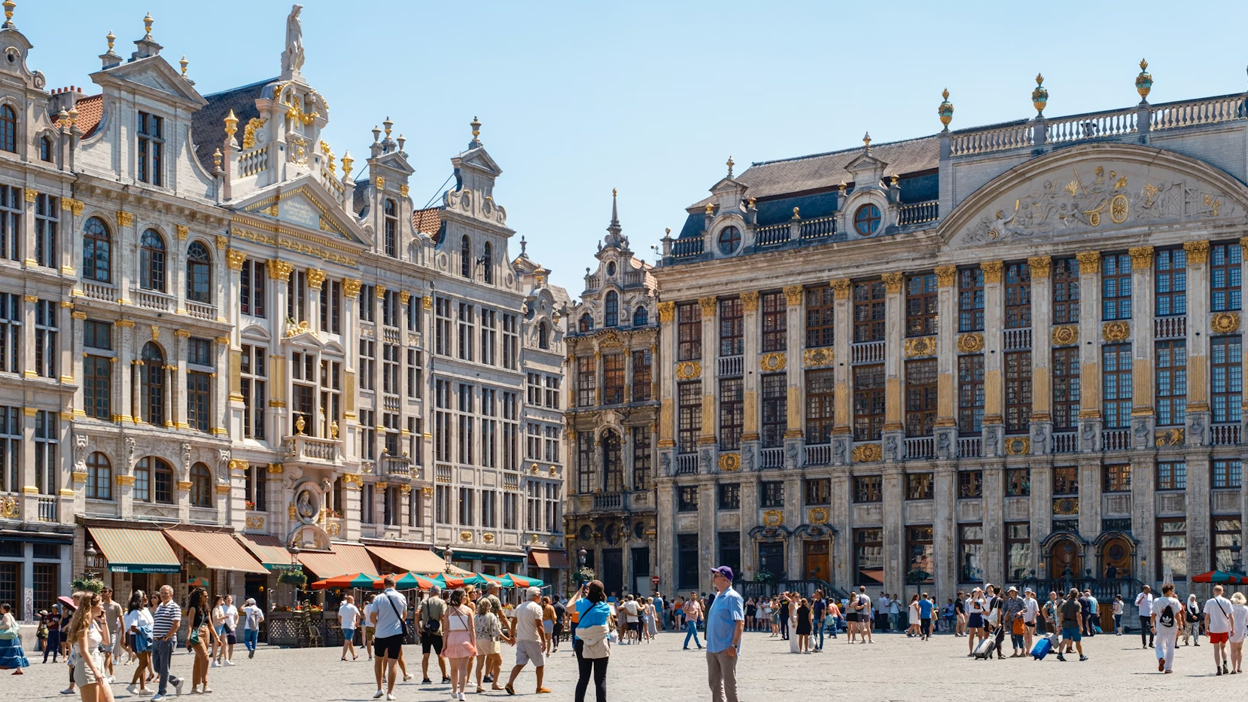
- Visit Grand Place, one of Europe’s most beautiful squares.
- Explore museums like the Magritte Museum or Belgian Comic Strip Center.
- Wander the vibrant European Quarter.
- Sample diverse cuisines from Belgian waffles to international flavors.
Days 4–6: Flanders’ Medieval Cities — Bruges or Ghent
Dive into medieval charm and canal-side relaxation.
- Walk historic streets lined with Gothic architecture.
- Enjoy river cruises and local markets.
- Taste local beers and chocolates.
- Spend time in quaint cafés imagining past centuries.
Days 7–9: Ardennes or Flemish Coast
Choose nature or seaside relaxation.
- Ardennes: Hiking, kayaking, wildlife watching in forests and hills.
- Flemish Coast: Beach walks, fresh seafood, and maritime culture.
Optional: 1–2 Days in Wallonia Villages
For tranquility, explore castles and countryside villages rich in tradition.
Travel Tips for Itinerary
- Use Belgium’s efficient train network to travel between cities.
- Book accommodations early during festivals or peak seasons.
- Pack walking shoes suitable for uneven streets.
This itinerary ensures exposure to Belgium’s wealth of experiences.
Major Cities and Regions in Belgium: Best Places Belgium and Things to Do in Belgium
- Brussels: A cosmopolitan capital known for politics, art, and lively cuisine scenes. Perfect for urban explorers.
- Bruges: Famous for fairy-tale medieval charm, romantic canals, and exquisite chocolates.
- Antwerp: A vibrant port city blending fashion, art, and history with a dynamic nightlife.
- Ghent: A university city with medieval architecture, bustling riverfront cafés, and lively cultural calendar.
- Ardennes: Forested hills with outdoor adventure opportunities including hiking and cycling.
- Coastal Region: Blustery seaside towns offering beaches, seafood, and relaxed vibes.
- Wallonia: Rural landscapes dotted with castles, historic villages, and nature trails.
Each area has unique appeal, balancing urban excitement with natural serenity.
Belgium Travel Checklist: Travel Tips Belgium and Belgium Travel Guide Essentials
Prepare well with these travel essentials:
- Multilingual phrasebook or a translation app to help with Dutch, French, and German.
- Layered clothing including waterproof jackets to handle Belgium’s variable weather.
- European power adapter for charging electronics.
- Information on local SIM cards (Proximus, Orange Belgium, Base) for mobile internet.
- Comfortable, sturdy walking shoes for cobblestones and outdoor walks.
- Cash in Euros for small vendors plus credit/debit cards.
- Public transport cards, such as rail passes or city transit tickets.
- Reminder notes about local customs, tipping norms, and polite behavior.
This checklist ensures you have everything for a smooth trip.
Conclusion
Belgium offers travelers a unique mix of cultural diversity, historic landmarks, and natural beauty. Whether you explore the cosmopolitan capital of Brussels, wander the medieval streets of Bruges and Ghent, relax by the sea, or escape into the tranquil Ardennes forests, Belgium rewards curiosity and careful planning.
Use this Belgium travel guide as your foundation. Dive deeper into city-specific or regional guides to tailor your adventure. With the practical travel tips Belgium travelers need and a clear itinerary for first-time visitors, you can approach your trip with confidence.
Start planning your Belgian journey today. From medieval castles to modern art scenes, urban hustle to peaceful countryside, Belgium awaits your discovery with countless things to do in Belgium.
Safe travels and enjoy every unforgettable moment!