
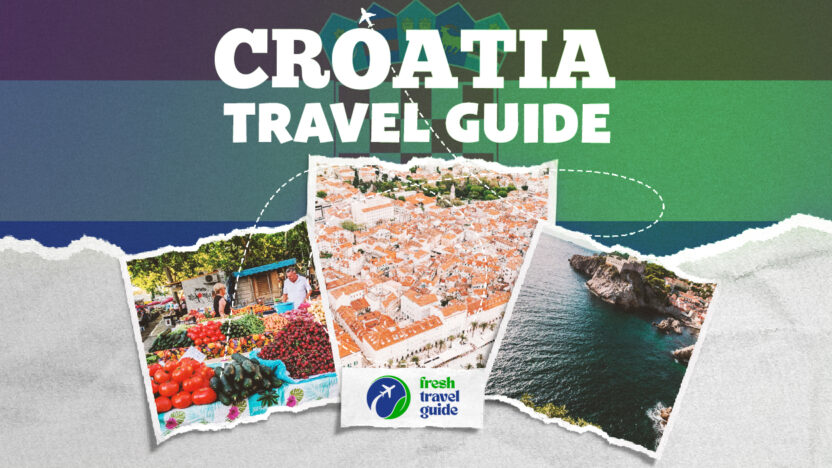
Croatia stands out as a travel gem with its stunning Adriatic coastlines, rich cultural history, and diverse landscapes that stretch from sunlit Mediterranean shores to dramatic inland mountains. This Croatia travel guide is your key to unlocking the best places Croatia boasts, discovering unmissable things to do in Croatia, and learning travel tips Croatia visitors rely on to enjoy a smooth and exciting trip.
Whether you seek bustling old towns steeped in history, tranquil islands with crystal-clear waters, or breathtaking national parks set in pristine nature, Croatia offers something special for every traveler. This comprehensive guide also includes a simple Croatia itinerary for first-time visitors, ensuring you experience the country’s highlights without missing a beat.
Best Places to Visit in Croatia
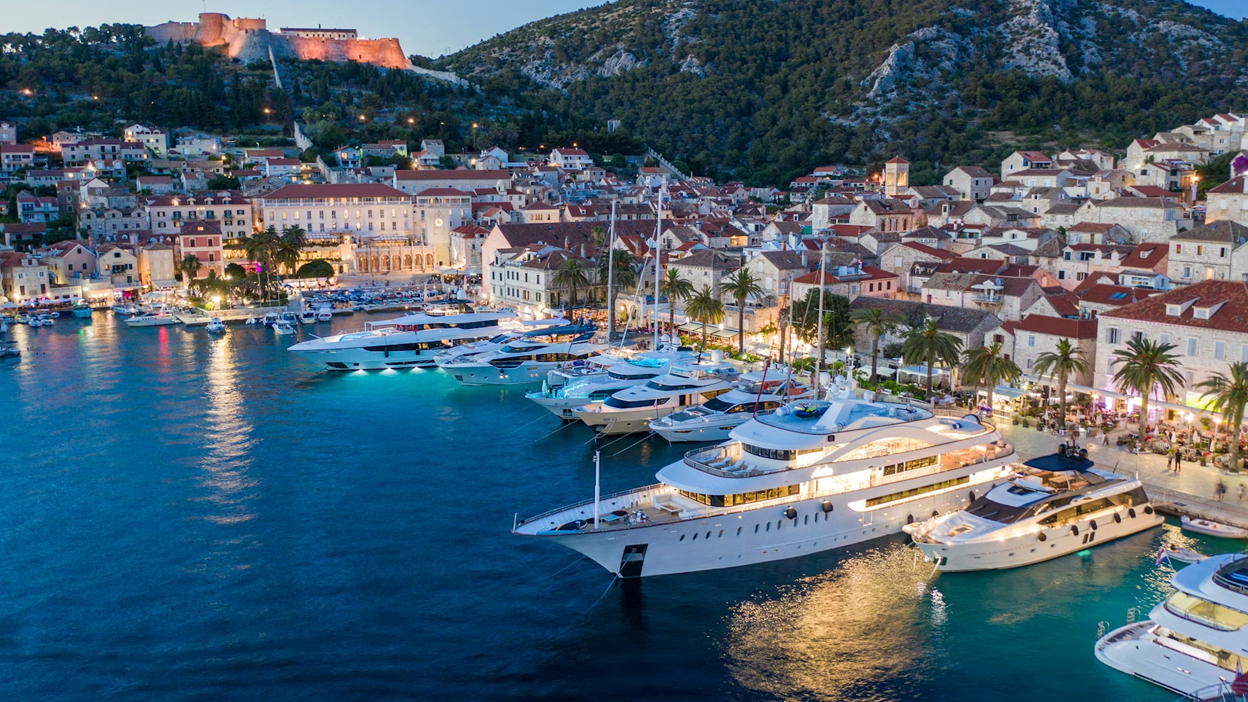
Croatia’s charm lies in its incredible regional diversity, offering a tapestry of landscapes and cultures from the coast to the interior. This section explores the best places Croatia travelers should visit, each presenting unique atmospheres and unforgettable experiences.
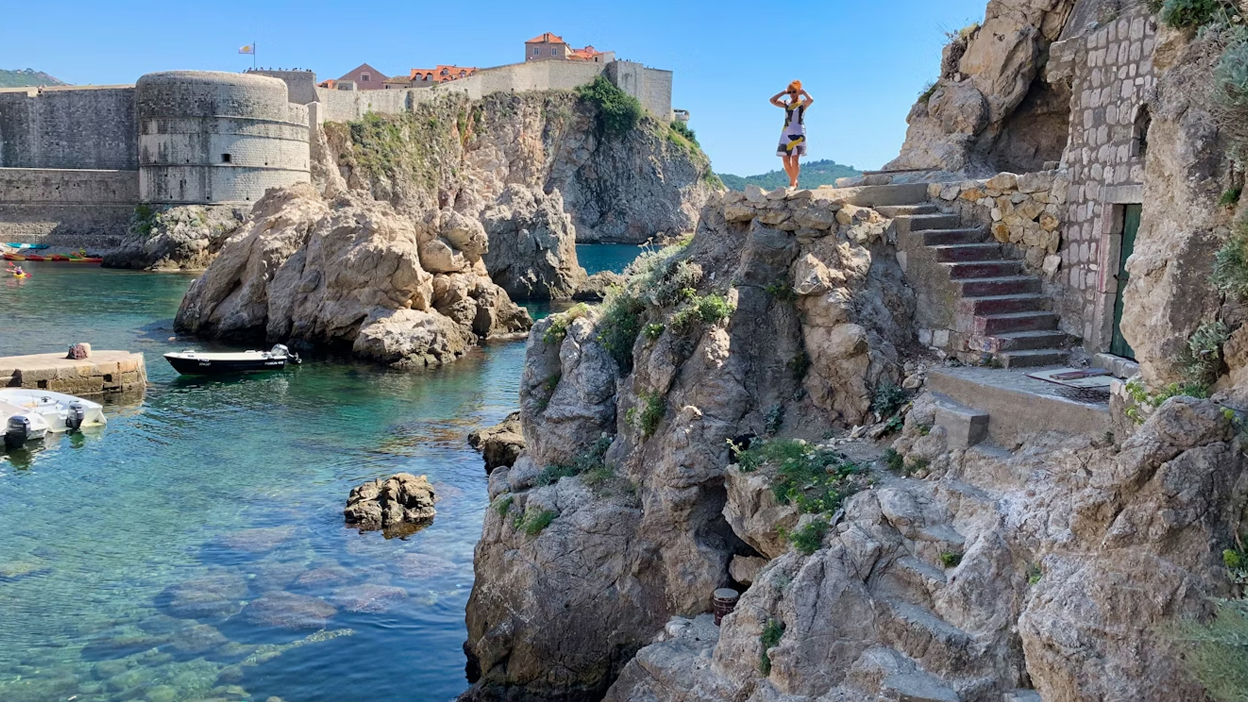
- Dalmatian Coast (Split and Dubrovnik): The iconic Dalmatian Coast is famed for its vibrant seaside cities like Split and Dubrovnik. Here, the Mediterranean lifestyle thrives with crystal-clear beaches, bustling promenades, and a warm, sunny climate. Dubrovnik’s ancient city walls and Split’s Roman-inspired architecture create a rich cultural backdrop. The buzzing cafes, narrow cobbled streets, and lively markets invite travelers to fully immerse themselves in the coastal ambiance. Things to do in Croatia along this coast include beach relaxation, historic tours, and vibrant nightlife.
- Istria Peninsula: Known for its rolling hills, truffle-rich forests, and charming hilltop towns, the Istria Peninsula blends Mediterranean charm with subtle Central European influences. Istrian towns offer exquisite cuisine, vineyards, and Roman ruins, making it a paradise for foodies and history buffs alike. The slow-paced local lifestyle here contrasts beautifully with the energetic Dalmatian coast, offering visitors a more laid-back experience.
- Zagreb – The Capital City: Zagreb, Croatia’s vibrant capital, delivers a cosmopolitan energy infused with history and culture. This inland city offers museums, galleries, and lively street markets. Its combination of Austro-Hungarian architecture and modern urban life creates an exciting cultural hub perfect for exploring on foot. Things to do in Croatia’s capital include visiting historic districts, enjoying vibrant cafe culture, and experiencing local events.
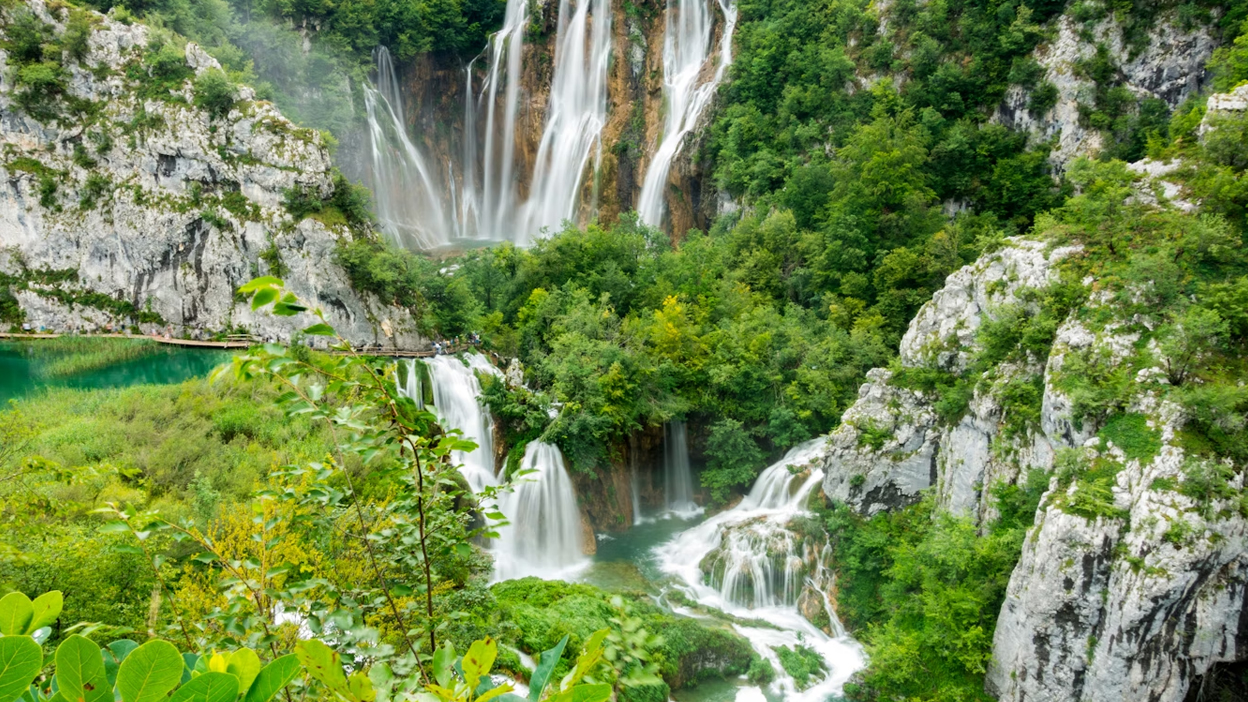
- Plitvice Lakes National Park: For those seeking natural wonders, Plitvice Lakes National Park is a breathtaking escape. Famous for cascading waterfalls and crystal-clear lakes, this UNESCO World Heritage site offers serene walks through lush forests and a stunning ecosystem. Outdoor activities such as hiking and photography here are top things to do in Croatia for nature lovers.
- Islands: Hvar, Korčula, and Brač: Croatia’s islands provide peaceful retreats away from the mainland buzz. Hvar is known for its lively yet elegant atmosphere with historic architecture and vibrant nightlife. Korčula offers a slower pace with traditional vineyards and untouched nature. Brač delights visitors with picturesque villages and crystal-clear beaches, ideal for swimming and watersports. Each island embodies a unique slice of Croatian island life and culture.
- Slavonia Region: Slavonia, located in eastern Croatia, contrasts markedly with coastal areas. This fertile agricultural heartland is known for its relaxed pace, expansive countryside, and rich traditions. Visitors experience warm hospitality and cultural festivals celebrating local music, food, and folklore—a perfect route for those wanting to explore authentic inland Croatia.
- Gorski Kotar Mountains: The mountainous Gorski Kotar region offers a pristine natural sanctuary, lush forests, and plenty of outdoor adventures. Hikers, bikers, and nature seekers appreciate the fresh mountain air and unspoiled landscapes. This region provides a quiet alternative to busier coastal towns and introduces travelers to Croatia’s wild side.
Each of these regions highlights differing landscapes and cultural vibes—in our Croatia travel guide, understanding this diversity is key to planning on what to focus your trip on.
Things to Know Before Visiting Croatia
Traveling prepared is essential for smooth experiences. Here are crucial travel tips Croatia travelers need before arrival.
- Language: Croatian is the official language across the country. Basic greetings like “dobro jutro” (good morning) and “hvala” (thank you) can go a long way toward connecting with locals. English is commonly spoken in tourist areas, especially on the coast and in cities like Zagreb. However, in rural or inland communities, English proficiency might be limited, so learning simple Croatian phrases can enrich your experience.
- Currency: Croatia traditionally used the Croatian Kuna (HRK). However, since January 2023, Croatia officially adopted the Euro (EUR) as its currency. Some small businesses and markets may still prefer Kuna or cash transactions, so carrying some coins and notes of both currencies temporarily could be useful. Credit/debit cards are widely accepted in urban areas, but cash remains favored in small towns and markets.
- Tipping: Tipping in Croatia is generally about 10% for good service in restaurants. In casual cafes, rounding up the bill is common practice. Knowing local tipping etiquette helps visitors avoid uncertainty; it’s seen as a polite gesture rather than obligatory. This straightforward custom is part of confident travel tips Croatia visitors appreciate.
- Internet and SIM Cards: Prepaid SIM cards from providers like Hrvatski Telekom, A1, or Tele2 are widely available at airports and city shops. Coverage is excellent in urban and tourist areas, though remote mountainous zones may have patchier signals. Free Wi-Fi is common in hotels, cafes, and public squares, but having a local SIM ensures uninterrupted connectivity.
This primer on language, currency, tipping, and connectivity prepares travelers well and avoids common surprises—essential parts of any reliable Croatia travel guide.
Cultural Customs Tourists Should Know
Understanding local customs enriches any visit. Here are key cultural points and things to do in Croatia related to etiquette and traditions.
- Social Etiquette: Croatians greet with a firm handshake or sometimes cheek kisses (usually among friends and family). Respect for elders and polite behavior in public spaces are highly valued. Speaking softly and maintaining a calm demeanor is appreciated in public transport and quiet zones.
- Hospitality: Croatian locals are famously warm and proud of their heritage. Accepting invitations to share coffee or homemade food is polite and often leads to memorable cultural exchanges. Visitors open to local customs will find themselves welcomed enthusiastically.
- Local Pace: Life on the coast feels more laid-back, with a slow pace and relaxed timing, especially in the summer. In contrast, inland cities like Zagreb are more fast-paced with a bustling atmosphere reflecting their urban character.
- Common Pitfalls: Avoid loud behavior in sacred places such as churches or monasteries. Dress codes requiring modest clothing apply at religious sites, so packing a scarf or sleeves is wise. Also, don’t assume English is spoken everywhere—using basic Croatian phrases shows respect.
- Festivals: Croatian festivals, celebrated year-round, highlight music, dance, and local cuisine. Participating respectfully offers a profound insight into Croatian ways of life while enjoying lively seasonal events.
These cultural insights form invaluable travel tips Croatia visitors should keep in mind to ensure a respectful and enriching experience.
Common Scams Tourists Should Avoid in Croatia
Travelers empowered with knowledge avoid pitfalls. Here are scams to watch for and travel tips Croatia that keep you safe.
- Taxi Scams: Unofficial taxi drivers may overcharge or refuse to use meters. Always use official taxis or rideshare apps with fixed fees when possible to avoid inflated fares.
- Currency Exchange: Avoid street currency exchangers offering suspiciously favorable rates. These vendors often charge hidden fees or provide counterfeit notes. Use official exchange bureaus or banks with clearly posted rates.
- Street Vendors: Some vendors may charge inflated prices for souvenirs or insist on cash only. Beware of pushy sellers or those who refuse to give receipts.
- Scam Tactics: Scammers target distracted tourists by offering “special deals” or urgent requests for cash payments. Stay alert and politely decline if unsure. Check prices carefully before committing to purchases.
Knowing these common scams and prevention steps is an essential part of practical travel tips Croatia, helping visitors protect themselves without spoiling the trip.
Travel Mistakes to Avoid in Croatia
Avoiding common errors makes your Croatia visit easier and more enjoyable.
- Overpacking Without Weather Consideration: Coastal Croatia features mild Mediterranean weather, especially in summer, but mountainous regions experience much colder conditions. Pack appropriate clothing to match seasonal and regional climates.
- Underestimating Travel Times: Croatia’s roads can be narrow and winding, with ferry schedules affecting island transfers. Plan extra time for journeys to avoid stress.
- Sticking Only to Tourist Hotspots: Limiting your stay only to popular cities will miss the authentic inland towns and rural culture. Explore beyond to gain a deeper appreciation.
- Ignoring Local Payment Preferences: Small vendors often prefer cash, while urban centers accept cards. Being aware of this avoids awkward situations, especially regarding tipping customs.
- Overpacked Itineraries: Trying to see everything quickly results in rushed experiences. Building flexibility into your plans allows for savoring Croatia’s diverse ambiances.
Following these straightforward travel tips Croatia ensures smoother, more rewarding travels and complements your Croatia itinerary planning.
Best Time to Visit Croatia
Understanding seasonal variations helps optimize your trip.
- Summer (June-August): Summers are hot and sunny, attracting the largest crowds. Beach lovers thrive in this high season, but expect busy towns and higher prices.
- Spring and Fall (April-May, September-October): These shoulder seasons bring milder weather, fewer tourists, and vibrant natural colors. Ideal for sightseeing, hiking, and cultural experiences without the rush.
- Winter (November-March): The off-season is peaceful but some coastal businesses close. Inland regions experience cold weather with potential snow, perfect for quiet retreats or winter sports.
- Regional Climate Differences: The coast enjoys a Mediterranean climate with warm summers and mild winters. Inland areas have a continental climate, with colder winters and occasional snow. Choose your timing based on your preferences for weather and crowd sizes.
Spring and early fall are generally the preferred times for first-time visitors, balancing pleasant weather with manageable crowds—key advice in any solid travel tips Croatia guide.
A Simple Itinerary for First-Time Visitors
A balanced Croatia itinerary helps newcomers explore top highlights without overwhelm. Here’s a 10-day example:
- Days 1–3: Coastal City (Split or Dubrovnik): Start by soaking in coastal vibes with historic architecture and lively local culture. Enjoy beaches, promenade walks, and day trips to nearby islands or secluded beaches. Don’t miss historic sites and local cuisine.
- Days 4–6: Inland Nature and Culture: Head north to Plitvice Lakes National Park for nature discovery—hiking waterfall trails amidst enchanting lakes and woods. Continue to Zagreb for urban culture, museums, and energetic street life.
- Days 7–10: Quiet Islands and Mountains: Explore lesser-known natural areas like Gorski Kotar’s mountains or quiet islands such as Korčula. These destinations offer hiking, peaceful beaches, and authentic rural experiences far from crowds.
Optional extensions include rural villages or other regions for deeper immersive exploration. Use ferries, buses, and rental cars for efficient travel. Keep a flexible pace to fully enjoy the diverse things to do in Croatia.
Major Cities and Regions in Croatia
This overview will help you match your interests with the perfect destination.
- Zagreb: The cosmopolitan capital blends history with culture, filled with museums, galleries, and vibrant cafes. Ideal for city lovers and culture seekers.
- Dalmatian Coast: Home to world-renowned cities like Split and Dubrovnik, this coastal stretch blends stunning beaches with rich history and lively atmospheres.
- Istria Peninsula: Known for its gourmet food, vineyards, and Roman ruins, this green peninsula offers a sophisticated yet relaxed travel style.
- Plitvice Lakes National Park: The natural jewel with waterfalls and lakes, perfect for outdoor adventurers and nature lovers.
- Slavonia: An agricultural heartland offering traditional festivals and peaceful countryside life, perfect for cultural immersion.
- Islands (Hvar, Korčula, Brač): Diverse island escapes range from vibrant nightlife and historic towns to tranquil nature and beaches.
Each region offers distinct best places Croatia travelers see in this Croatia travel guide, providing multiple options for customizing your itinerary.
Croatia Travel Checklist
Prepare practically with this essential checklist:
- Currency and Payment: Euro cash and cards; carry some Kuna if needed during transition.
- Adapters: Type C and F plugs at 230V voltage.
- Sun Protection: Sunscreen for coastal days.
- Shoes: Comfortable walking shoes for cobblestones and nature trails.
- Tech: Local SIM card or portable Wi-Fi for connectivity.
- Documents: Passport, travel insurance, apps like maps and translators.
- Clothing: Pack layers for seasonal changes and modest clothes for religious visits.
This checklist is a vital part of any travel tips Croatia section, ensuring you are fully equipped for diverse experiences in this varied country.
Conclusion
This Croatia travel guide has shown how Croatia is a multifaceted destination offering a wealth of experiences—from its stunning Adriatic shores to its rich cultural history and majestic natural parks. Whether you prefer ancient city walls or quiet mountain trails, lively island nights or serene countryside, Croatia welcomes every traveler with warm hospitality and vibrant tradition.
Use this guide as your foundation for planning, then dive into city or region-specific insights to deepen your journey. Travel informed, prepared, and curious—with this comprehensive resource, your Croatian adventure awaits!