
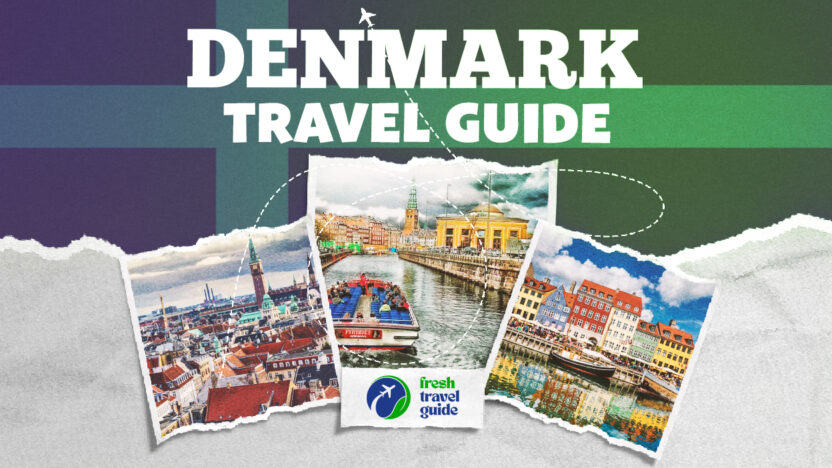
Denmark is a small country with a big heart. This Denmark travel guide invites you to explore a land where cozy culture meets stunning natural landscapes and sleek modern design. From lively city streets to peaceful countryside and beautiful islands, Denmark offers a fascinating blend of experiences for every kind of traveler.
What makes Denmark special is how its charming small towns sit comfortably alongside vibrant urban life, surrounded by scenic coastlines and green rolling hills. Whether you want to immerse yourself in everyday Danish life or discover the best places Denmark has tucked away, proper planning will help you make the most of your visit. Traveling here feels laid-back yet lively, with an emphasis on enjoying slow moments as much as seeing famous sights.
In this guide, we will cover the best places Denmark to visit, the top things to do in Denmark, and share essential travel tips Denmark visitors need before packing their bags. Let’s get started!
Best Places to Visit in Denmark
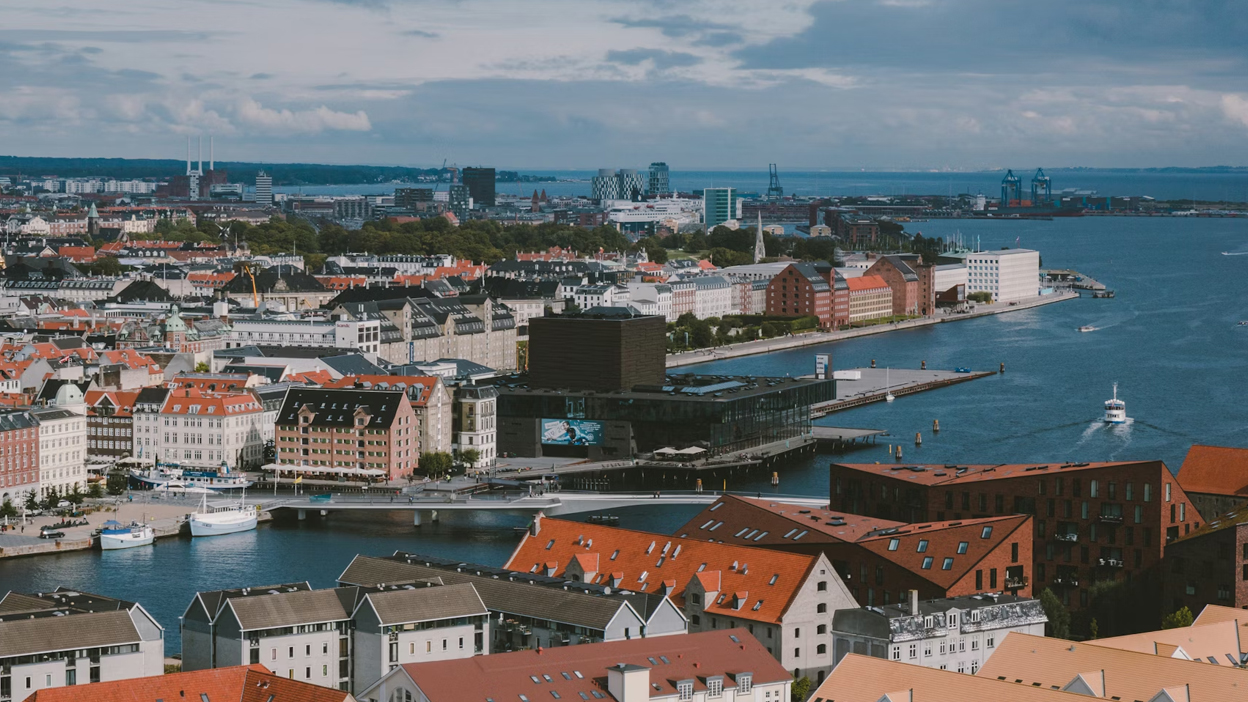
Denmark’s charm lies in its variety. From bustling city energy to serene rural beauty, the best places Denmark has to offer are as diverse as its regions. To make your trip easier, here’s a breakdown of key areas to explore along with the unique vibe each brings:
Capital Region: Urban Energy and Design
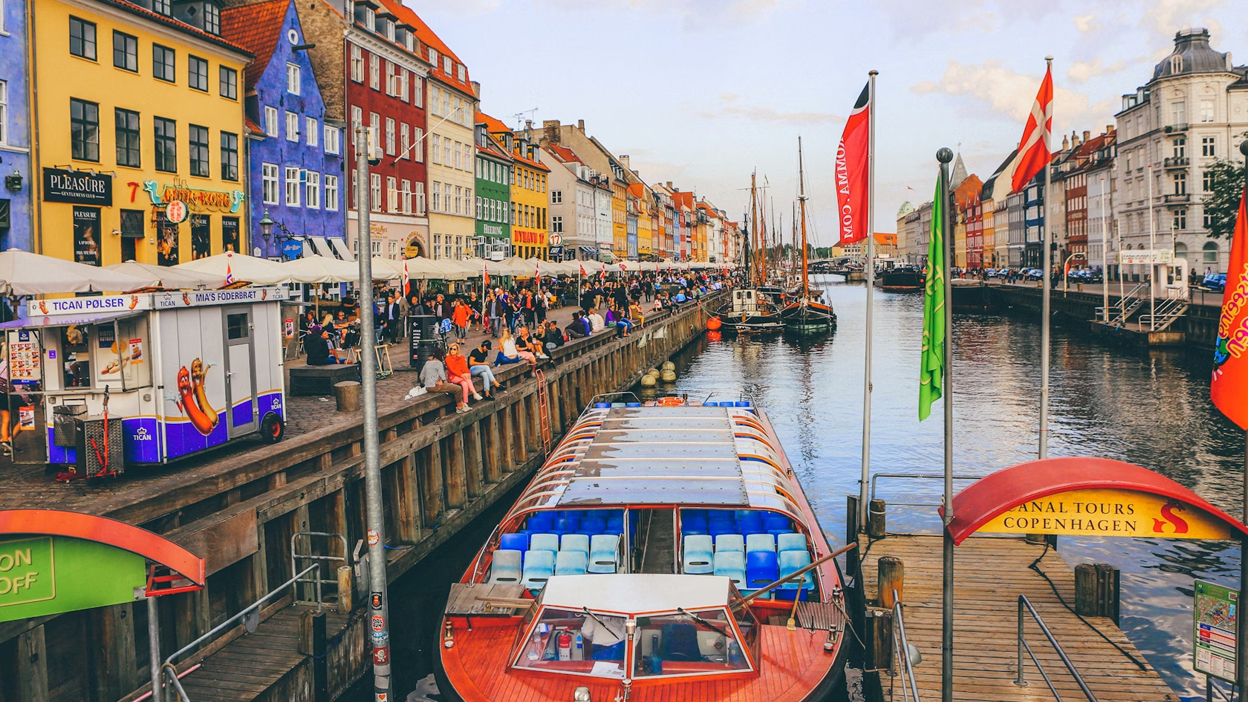
The Capital Region, anchored by Copenhagen, pulses with creativity and urban coziness. Here, modern Danish design shapes everything—from sleek furniture to innovative architecture. The streets come alive with cyclists and café culture, offering a blend of traditional hospitality and stylish city living.
Some of the things to do in Denmark in this region include wandering through vibrant neighborhoods, soaking up the local café scene, and experiencing cultural events that celebrate Danish art, food, and music. The city’s mix of old-world charm and contemporary flair embodies the upbeat yet laid-back Danish lifestyle perfectly.
Coastal Areas: Fresh Sea Air and Seaside Relaxation
Denmark’s coastline invites visitors to breathe in salty ocean breezes and enjoy the gentle sounds of waves. The coastal towns and fishing villages offer a peaceful retreat from city bustle. Imagine strolling along piers, savoring fresh seafood at quaint outdoor tables, and taking in spectacular sunsets over the sea.
The rhythm here is slower and more reflective. Whether cycling along coastal trails or watching boats bob in the harbor, the best places Denmark has in these seaside regions promise refreshing experiences. Things to do in Denmark along the coast often involve swimming, sailing, or simply relaxing by the shore.
Rural Countryside: Rolling Hills and Outdoor Adventures
Venture inland and you’ll find an idyllic countryside with green fields, soft hills, and quiet villages. The rural heartland offers a chance to reconnect with nature through hiking, cycling, or exploring local farms. This area highlights authentic Danish village life with warm, small-town hospitality.
Many of the best places Denmark offers in this zone are perfect for outdoor lovers looking to escape crowds. Peaceful trails and vibrant farmland set the stage for memorable adventures and serene moments. Among the popular things to do in Denmark here are bike tours through scenic lanes and picnics amid wildflower meadows.
Islands: Unique Traditions and Pristine Nature
Denmark’s islands range from lively cultural hubs to quiet natural escapes. Each island has its own lifestyle rhythm, often slower and deeply connected to maritime traditions. Pristine beaches, rugged cliffs, and dense woods characterize these areas.
Visiting the islands brings a refreshing change of pace and a glimpse into Denmark’s rich tapestry of local customs. Some of the best places Denmark includes among these islands stand out for their preserved folklore, artisan crafts, and extensive hiking paths. Popular things to do in Denmark here include shell collecting, kayaking, and sampling island specialties.
Northern Regions: Rugged Coastlines and Warm Hospitality
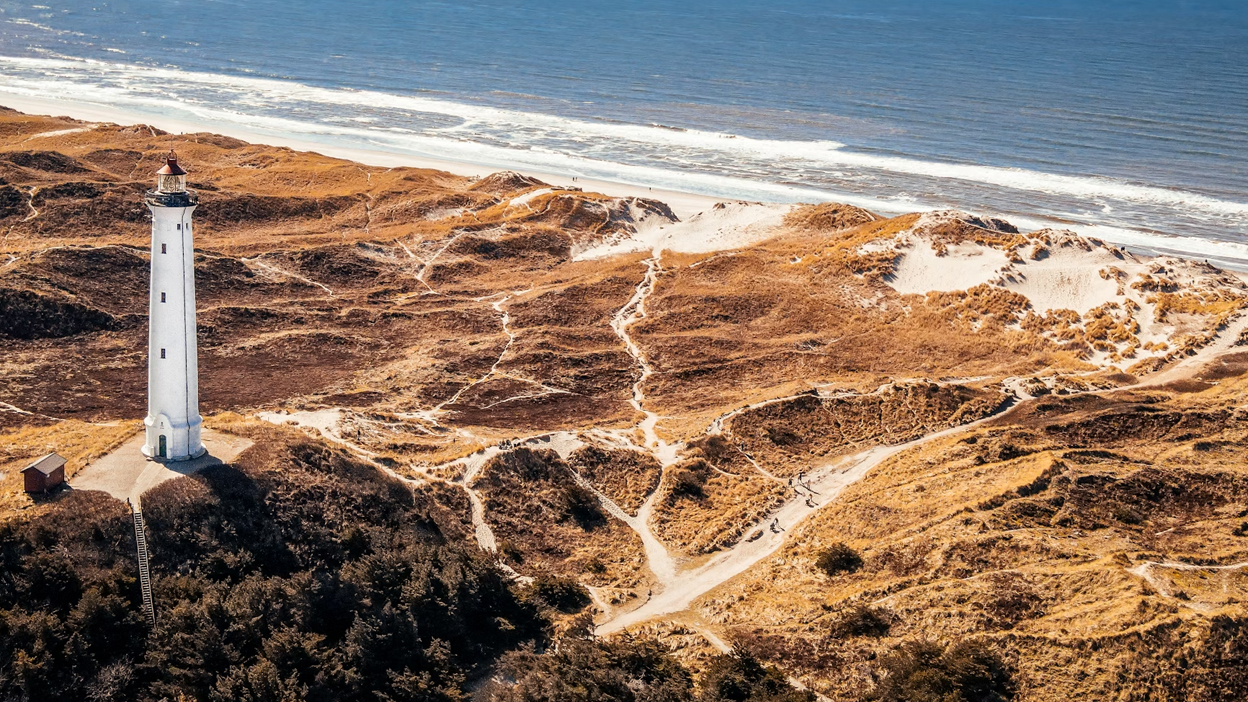
The northern part of Denmark showcases dramatic coastlines with rocky shores and wide sandy beaches. Here, you will meet welcoming locals proud of their region’s identity and natural beauty. Outdoor activities abound, with opportunities for windsurfing, fishing, and exploring nature reserves.
The Northern Regions offer an authentic slice of Denmark far from tourist crowds. Many of the best places Denmark offers in the north delight in combining adventure with tradition. Among things to do in Denmark here, visitors often enjoy coastal hikes, visiting historical sites, or tasting hearty northern cuisine.
Things to Know Before Visiting Denmark
Before you step off the plane, it’s wise to learn some essential travel tips Denmark travelers find useful. Understanding the basics about language, currency, tipping, and connectivity will make your trip smoother and more enjoyable.
Language
Danish is the official language of Denmark. While most Danes speak excellent English, learning a few basic Danish phrases can go a long way. Simple greetings and polite expressions show respect for local culture and often create warmer interactions. Even a “tak” (thank you) or “hej” (hello) will be appreciated.
Currency
The currency in Denmark is the Danish Krone (DKK). Credit and debit cards are widely accepted in shops, restaurants, and public transportation. However, carrying some cash is still practical for small vendors, public markets, or buses in rural areas. It’s best to have a mix of payment options.
Tipping
Tips are not mandatory in Denmark because service charges are usually included in bills. That said, rounding up the bill or leaving small change for exceptional service is common and appreciated. You won’t offend anyone by not tipping, but a little extra shows gratitude.
Internet and SIM Cards
Denmark boasts excellent internet infrastructure with free Wi-Fi available in many public places like cafés, museums, and libraries. For longer stays or extensive mobile use, purchasing a local SIM card can be cost-effective. Otherwise, international roaming plans work fine for shorter visits.
These travel tips Denmark visitors should know help avoid common surprises and make daily life more convenient while exploring.
Cultural Customs Tourists Should Know
Knowing key social customs enhances your experience and helps you fit in when visiting Denmark. Here are some important travel tips Denmark offers on etiquette and behavior:
Punctuality and Communication
Danes value punctuality highly. It’s best to arrive on time for appointments, tours, or meals. Communication tends to be direct and honest, with little small talk. This straightforwardness is respectful rather than rude.
Greetings and Personal Space
Formal greetings are polite but casual—handshakes or nods are common. Respect for personal space is strong; avoid standing too close or being overly touchy. This reserved demeanor may differ from what visitors are used to but is very typical.
The Concept of Hygge
Hygge, pronounced “hoo-gah,” describes a feeling of cozy comfort and warm hospitality. It’s about enjoying simple pleasures, often involving food, friends, and relaxed settings. Embracing hygge invites travelers to savor slower moments and meaningful connections.
Modesty and Understatement
Danes tend to avoid loud or flashy behavior. Modesty is valued, and boasting or conspicuous wealth is frowned upon. This preference for understatement often surprises newcomers expecting more overt expressions.
These cultural notes are vital travel tips Denmark visitors should respect to enjoy genuine, positive interactions with locals.
Common Scams Tourists Should Avoid in Denmark
While Denmark is generally safe, travelers should still stay alert to prevent falling victim to scams. Here are relevant travel tips Denmark experts share:
Pickpocketing
Occasional pickpocketing has been reported in crowded places like train stations and tourist hotspots. Keep your belongings secure, use bags with zippers, and avoid displaying phones or wallets openly.
Overly Friendly Strangers
Be cautious if strangers approach you unsolicited offering help or services like tours, transport, or tickets. Although many are genuine, some may have hidden motives.
Fake Charities and Aggressive Vendors
Beware of imposters collecting for charity or vendors who use pressure tactics. A polite but firm “no thanks” is the best response to avoid unwanted encounters.
Prevention Advice
Keep valuables hidden, stay aware of your surroundings, and trust your instincts. These common-sense strategies are essential travel tips Denmark tourists should follow to prevent scams and enjoy worry-free travel.
Travel Mistakes to Avoid in Denmark
Avoiding certain pitfalls can significantly improve your trip. Below are important travel tips Denmark travelers often learn the hard way:
Weather Preparedness
Denmark’s weather can change quickly, especially near the coast. Even in summer, bring layers, a windproof jacket, and waterproof gear. Being caught unprepared can spoil your day.
Rushing Your Itinerary
Denmark’s charm comes from slow exploration and soaking in local life. Trying to cover too much ground quickly creates stress and misses subtle cultural experiences.
Using Public Transport and Bikes
Make use of public transportation passes and bike rentals. They are affordable, efficient, and give you an authentic way to see the country. Avoid relying only on taxis or rental cars.
Language Assumptions
Although many Danes speak English, assuming everyone will understand your language can cause frustration. Learning basic Danish phrases shows respect and smooths communication.
Dining Hours Awareness
Many restaurants close earlier than in some other countries. Don’t arrive late expecting food late into the evening. Plan meals accordingly.
Keeping these travel tips Denmark in mind helps you avoid common errors and enjoy a smoother visit.
Best Time to Visit Denmark
Timing your trip right influences your experience. Here are seasonal insights and important travel tips Denmark offers regarding the best travel periods:
Summer: Vibrant and Mild
Summer in Denmark brings mild temperatures and long daylight hours. This is the peak season for festivals, outdoor dining, and water sports. Coastal areas, however, can be cooler and breezier—pack accordingly.
Spring and Early Autumn: Calm and Pleasant
Visiting in spring or early autumn means fewer crowds and comfortable weather. These seasons are ideal for peaceful travel and enjoying blooming flora or colorful fall landscapes.
Winter: Cozy and Festive
Winter days are short and cold, but Denmark embraces the season with festive markets and hygge celebrations. If you enjoy holiday traditions and a cozy atmosphere, winter is a magical time to visit.
Seasonal weather varies regionally—coastal areas tend to be cooler and windier than inland zones. One of the most useful travel tips Denmark shares concerns matching your visit with your desired experience, whether lively summer or tranquil off-season.
A Simple Itinerary for First-Time Visitors
Planning your days carefully ensures you see the best while keeping the pace manageable. Here’s a flexible Denmark itinerary for a 7–10 day trip highlighting top things to do in Denmark:
Days 1–3: Explore the Capital Region
Start with the energy of Denmark’s capital region. Spend time walking or biking through vibrant neighborhoods, visiting cultural venues, and sampling Danish cuisine at local cafés. This period offers a perfect introduction to modern Danish life and design.
Days 4–6: Coastal or Island Escape
Next, head toward the coast or one of Denmark’s islands. Enjoy fresh sea air, quiet beaches, and traditional fishing villages. Activities might include boat rides, biking coastal trails, or relaxing in seaside restaurants.
Days 7–10: Rural Countryside or Northern Denmark
End your trip by immersing yourself in rural tranquility or exploring the rugged north. This segment features hiking, visiting small towns, and experiencing authentic local customs away from main tourist routes.
Be flexible and adjust according to your interests. The best things to do in Denmark often come from slow exploration and open-minded adventure during all these stages of your journey.
Major Cities and Regions in Denmark
Understanding Denmark’s geography aids in deciding where to go. Here’s a quick overview of the main areas and why they are among the best places Denmark offers:
Capital Area
Home to Copenhagen and surroundings, this dynamic zone is known for cutting-edge design, rich historical sites, and a lively cultural scene. It’s ideal for travelers seeking urban sophistication paired with cozy street life.
Seaside Towns
These towns provide a relaxed, scenic atmosphere perfect for beach lovers and fans of fresh seafood. The natural beauty here is serene, with countless outdoor options.
Rural Inland
Characterized by quiet, green landscapes dotted with farms and villages, this region offers authentic immersion into Danish village life and plenty of outdoor activities.
Islands
Distinctive communities with unique traditions give visitors a diverse range of ecological and cultural experiences. From wild nature to local craftsmanship, the islands are a fascinating part of Denmark.
Northern Denmark
Known for rugged coastline and warm regional hospitality, the north combines natural adventure and cultural pride in an inviting environment.
Travelers seeking variety will find these diverse regions among the best places Denmark reveals to visitors.
Denmark Travel Checklist
Before you embark, having the right gear and documents ensures a smooth trip. Here’s a handy travel tips Denmark checklist to prepare well:
- Valid passport and any required visas or travel documents.
- Layered clothing including windproof jacket and sweaters for variable coastal weather.
- Credit cards plus some Danish Krone cash for small purchases.
- Portable phone charger and local SIM card or roaming plan to stay connected.
- Comfortable shoes for walking and cycling.
- Reusable water bottle to stay hydrated and eco-friendly.
- Basic Danish phrasebook or translation app to aid communication.
- Lightweight raincoat or compact umbrella for rainy days.
Good preparation following these travel tips Denmark makes your journey hassle-free and ready for any weather or situation.
Conclusion
Denmark is an ideal destination for travelers who appreciate a mix of stylish urban life and stunning nature. This Denmark travel guide has outlined how the country’s laid-back yet lively culture and diverse landscapes make it a perfect spot for meaningful travel experiences.
Use this comprehensive guide as your first step before diving into more detailed city- or region-specific tips. Embrace slow travel, respect local customs, and prepare well with the advice shared here to maximize your enjoyment in Denmark.
Happy travels!