

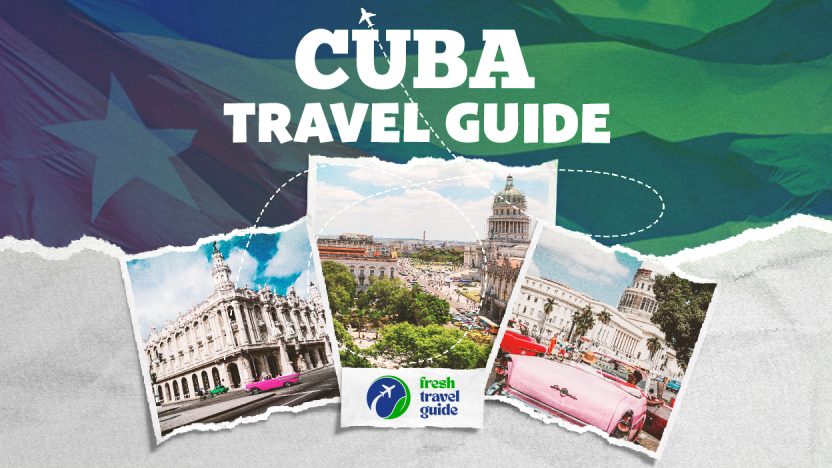
Imagine stepping into a world where vintage cars cruise down cobblestone streets painted in pastel colors. The air hums with the lively sounds of salsa and son, mingling with the scent of roasted coffee and sea breeze. Cuba’s streets pulse with vibrant culture, a striking blend of rich colonial and revolutionary history. Its colorful architecture stands as a testament to centuries of resilience and artistic spirit. The Caribbean’s warmth is not just a climate here but a genuine feeling expressed by the friendly locals who welcome you to their island paradise.
This Cuba travel guide is your key to navigating not only the iconic landmarks and things to do in Cuba but also the deeper cultural nuances and practical realities that make Cuban travel uniquely rewarding. While Cuba’s pace is slower than most tourist hotspots, its charms lie precisely in this relaxed tempo, punctuated by occasional logistical quirks such as limited Wi-Fi and infrastructure hurdles. With careful preparation and an open attitude, travelers find a deeply immersive and authentic travel experience waiting for them.
Best Places to Visit in Cuba: Diverse Regions & Unique Experiences

Cuba’s landscape is as varied as its culture. You will find three main types of regions to explore, each offering distinct atmospheres and activities.
First, urban centers bristle with vivid cultural life. These cities, often colonial at heart, present charming neighborhoods filled with music, art, and history. The energy here is palpable—streets buzz with people, markets, and conversations that speak to Cuba’s rich social fabric.
Next, the coastal areas invite visitors to unwind with laid-back beach vibes. Picture turquoise waters lapping soft white sand beaches, where natural beauty takes center stage. These regions offer ideal spots for swimming, snorkeling, and soaking up the sun, presenting a tranquil counterpoint to the busy city vibe.
Lastly, the rural landscapes offer a retreat into Cuban tradition. Here, travelers discover slower rhythms of life, traditional farming communities, and opportunities for nature exploration. Rolling hills and lush valleys provide the perfect setting for hiking, birdwatching, or simply embracing serenity far from tourist crowds.
Understanding this dynamic interplay—urban energy coupled with coastal calm and rural ease—helps you choose the best places to visit in Cuba for your preferences, whether cultural immersion or beach relaxation. This balanced approach guides many things to do in Cuba and enriches any travel itinerary.
Things to Know Before Visiting Cuba: Essential Practical Information
Traveling in Cuba requires awareness of several practical realities to make your visit smooth and enjoyable.
- The official language is Spanish. While English is spoken in key tourist areas, it remains uncommon elsewhere. Basic Spanish phrases enhance your experience and help connect with locals beyond typical tourist encounters.
- Cuba’s currency system can be complex. The island uses dual currencies—the Cuban Peso (CUP) and the Convertible Peso (CUC) or, more recently, the MLC (Moneda Libremente Convertible) system. Cash is king in Cuba; many businesses don’t accept credit cards or digital payments, especially international cards. Prepare to carry enough cash and understand currency exchange to avoid inconvenience.
- Wi-Fi and mobile internet connectivity are limited. Wi-Fi is mainly available through public hotspots using purchased internet cards. Mobile phone SIM cards must be bought at official points, with unlocked phones required. Planning ahead for limited internet helps you navigate without frustration.
- Tipping is customary and expected in many Cuban service sectors. Standard tips usually range around 10% or small fixed amounts for services like taxis, restaurants, or porters. Being mindful of tipping customs shows respect and builds goodwill.
Overall, these practical details form the backbone of effective travel tips Cuba. Preparing for language barriers, currency quirks, restricted connectivity, and tipping customs will help you avoid surprises and stay comfortable throughout your Cuban journey.
Cultural Customs Tourists Should Know: Respect and Hospitality in Cuba
Cuban culture is shaped by openness, warmth, and genuine hospitality. Visitors frequently experience invitations into local homes or social settings, highlighting the friendliness and welcoming nature of Cuban people.
Respect matters. Greetings usually involve handshakes or cheek kisses, depending on how well you know a person. Punctuality is more relaxed, but it’s polite to be on time for formal events. Avoiding sensitive political subjects shows cultural sensitivity.
When invited into a Cuban’s home or social circle, accept graciously. Reciprocity and politeness matter, but don’t feel pressured if you need to decline an invitation. Navigating these subtleties enriches your cultural experience and fosters positive interactions.
By understanding and embracing these social norms, you align well with Cuban hospitality and can fully enjoy the cultural things to do in Cuba that go beyond the usual tourist sights. These insights are invaluable additions to any comprehensive Cuba travel guide.
Common Scams Tourists Should Avoid in Cuba

As with many popular travel destinations, Cuba has its share of tourist scams. Staying alert helps you safeguard both your money and your peace of mind.
One frequent scam involves inflated taxi fares. Always agree on a price before starting your ride to avoid overcharging. Be wary of unofficial tour offers or self-proclaimed guides pressuring you into expensive or subpar experiences.
Overpriced goods and services can also occur—street sellers might charge heavily for items or favors tourists don’t realize cost less elsewhere. Currency exchange scams exist too, aiming to trick visitors into unfavorable rates.
To protect yourself, use official, well-reviewed services. Avoid buying tours or rides from street touts. Keep small bills ready for transactions to simplify exchanges and avoid confusion.
Vigilance doesn’t mean fear—it’s about preparedness. Following these travel tips Cuba and staying informed ensures that you maximize your enjoyment while minimizing risks on your Cuban travels.
Travel Mistakes to Avoid in Cuba
To make the most of your trip, avoid common missteps that catch many travelers unprepared.
- Many underestimate travel times between destinations. Road conditions and transport options, including shared taxis or buses, can slow journeys considerably.
- Overpacking is another frequent mistake. Cuba’s limited luggage options and local availability of essentials mean you should pack smart and light.
- Expect services to be slower than in highly developed tourist countries. Power outages, limited internet, and slower customer service are normal—adjusting your expectations avoids frustration.
- Cultural mistakes, such as pushing too insistently for things or failing to adapt to the local pace, can harm interpersonal relations.
- Transport bookings need care. Always confirm your rides in advance, and learn how to avoid overspending or getting stuck. These travel tips Cuba can save time, money, and hassle.
Best Time to Visit Cuba: Understanding Climate and Seasonality
Climate plays an important role in planning your visit to Cuba. Knowing when to go can make all the difference.
The dry season from November to April boasts pleasant temperatures and little rain, offering ideal conditions for travel and outdoor activities. This period sees an influx of tourists eager to enjoy Cuba’s best weather.
The wet season, May to October, brings increased rainfall and the risk of hurricanes, especially from June through November. Traveling in these months requires flexibility and awareness of weather forecasts.
Regional weather varies slightly. Eastern Cuba tends to get more precipitation, while western regions are generally drier.
For newcomers, aim for late November through April for the best balance of sun, warmth, and crowd levels. This advice is a key part of any savvy Cuba travel guide and will influence your choices about best places to visit in Cuba.
A Simple Itinerary for First-Time Visitors
Whether you have one week or two, here’s a straightforward itinerary framework to explore Cuba’s highlights without rush.
Start with the capital city, where you can immerse yourself in vibrant culture, music, and history. Enjoy museums, plazas, and lively street scenes packed with artistic energy.
Next, travel to one or two other urban or cultural centers. These cities showcase diverse Cuban life, from colonial charm to dynamic neighborhoods.
Include a coastal or nature-focused region for relaxation. Beaches with turquoise waters invite swimming or snorkeling, while natural parks offer hiking and wildlife viewing.
Finally, spend time in rural or smaller towns to appreciate slower rhythms, traditional Cuban lifestyles, and breathtaking countryside.
Maintain flexibility and plan a logical travel flow to minimize transit fatigue. This approach ensures you hit the essential things to do in Cuba comfortably. This Cuba itinerary format works well for most first-time visitors and can be adjusted based on interests.
Major Cities and Regions in Cuba: Choosing Destinations
Understanding where to go helps tailor your adventure.
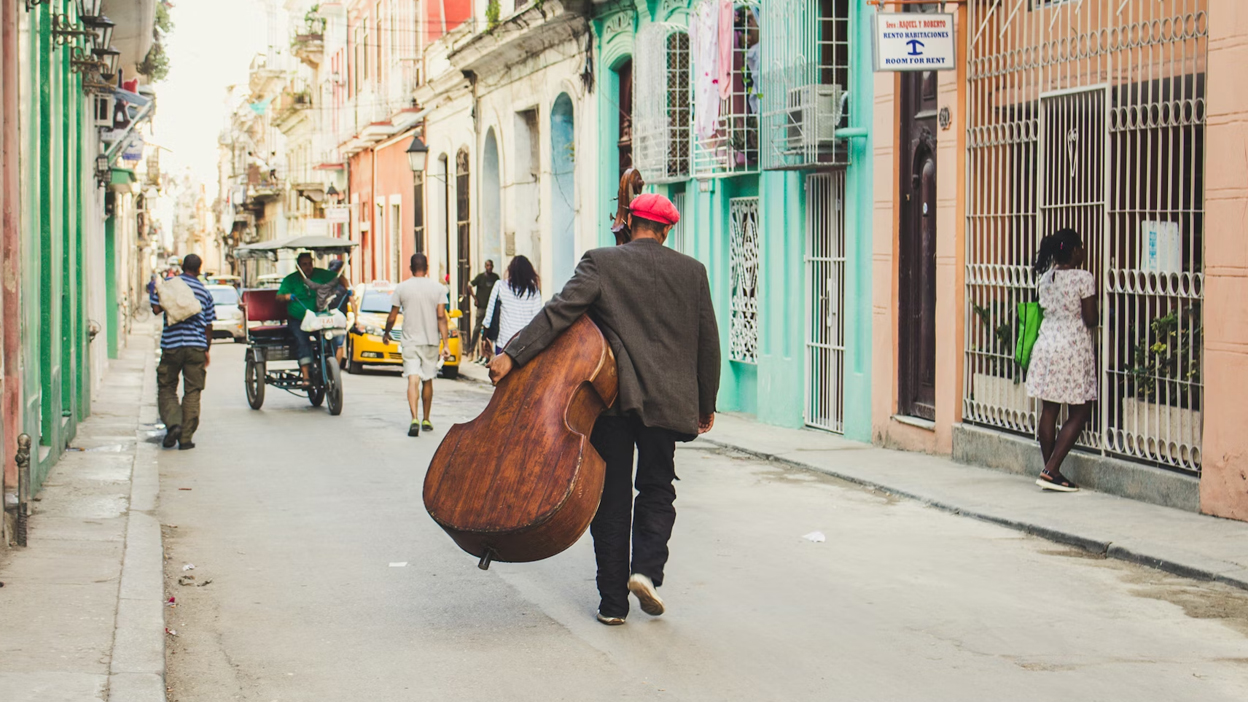
The capital city is a cultural hub filled with history, music, and vibrant street life, perfect for those wanting to dive into urban Cuban energy.
Other cultural centers like secondary cities offer distinct historical atmospheres and social scenes, providing different perspectives on Cuban life.
Coastal areas highlight relaxed beach town vibes, ideal for sunbathing and watersports lovers.
The countryside offers rural charm, showcasing Cuba’s agricultural traditions, slower pace, and natural parks.
Choosing destinations depends on your preferences—urban exploration, beach relaxation, or rural tranquility. Integrating these options enriches your Cuba travel guide, offering a fuller experience of the nation’s diversity.
Cuba Travel Checklist: What You Must Pack and Prepare
Preparing well ensures smooth travels. Here’s a practical checklist:
- Carry sufficient cash in local currency (CUP) and/or euros or Canadian dollars for exchange under current regulations.
- Check passport validity, secure a tourist visa, and obtain travel insurance covering health and emergencies.
- Bring an unlocked mobile phone to purchase official SIM cards or prepaid Wi-Fi cards at authorized locations.
- Protect yourself against the tropical sun with high SPF sunscreen; stay hydrated using bottled water.
- Download maps and guides offline due to limited internet connectivity and potential power outages.
- Pack with a flexible mindset and patience for logistical quirks.
Following these travel tips Cuba will keep you ready for any challenges and let you focus on enjoying your journey.
Conclusion
Cuba stands apart as a uniquely rich and rewarding destination. Its warm, welcoming culture, layered history, diverse landscapes, and relaxed pace combine to create an unforgettable travel experience.
Embrace both the charms and challenges many tourists face. The occasional quirks—from slower service to limited connectivity—only deepen your immersion in Cuban life.
For deeper planning, explore detailed city or regional guides tailored to your interests. Whether your focus lies in culture, beaches, or rural discovery, this Cuba travel guide lays a solid foundation.
Cuba offers a vibrant, authentic journey packed with endless things to do in Cuba and practical travel tips Cuba to ensure you get the most from your trip.
Safe travels and enjoy the magic of Cuba!