
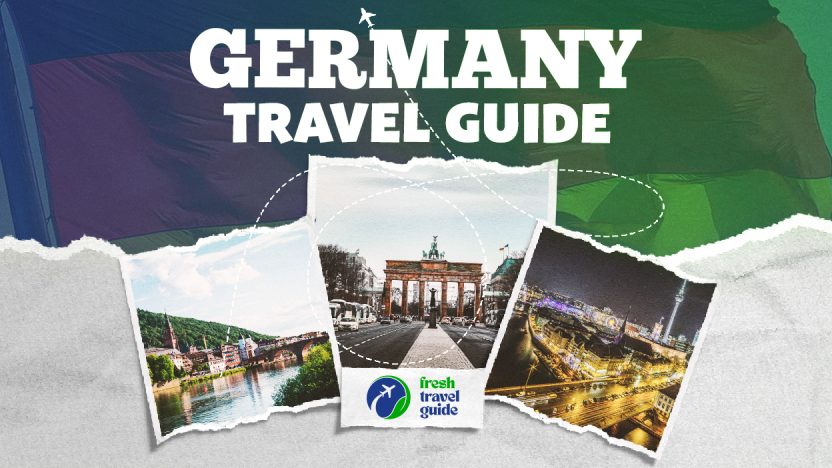
Germany offers a remarkable blend of rich history, diverse landscapes, and modern vibrancy that sets it apart as a travel destination. Whether you’re drawn to bustling cities, serene countrysides, or cultural heritage towns, Germany provides an exceptional playground for discovery. First-time visitors often find themselves pleasantly surprised by the seamless mix of easily navigable urban centers and sprawling, scenic rural spaces.
This comprehensive Germany travel guide is designed to help you navigate the best places to visit, must-see attractions, practical travel tips, common pitfalls to avoid, and a well-rounded itinerary to maximize your time. If you want to know the top things to do in Germany and uncover the best places Germany has to offer, you’re in the right place.
Best Places to Visit in Germany
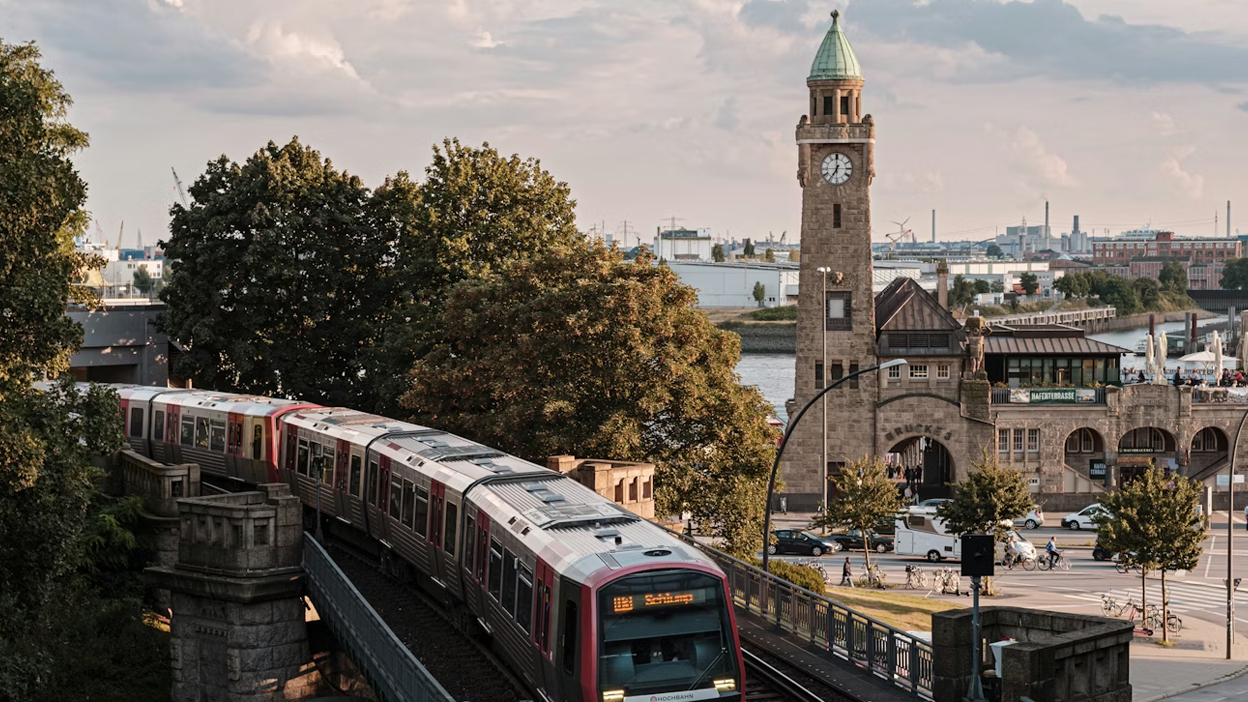
Germany’s charm lies partly in the variety it offers. From dynamic metropolitan areas to calm countryside retreats, here are some of the best places Germany presents for travelers keen to explore a broad spectrum of experiences.
Vibrant Urban Energy: Metropolitan Areas
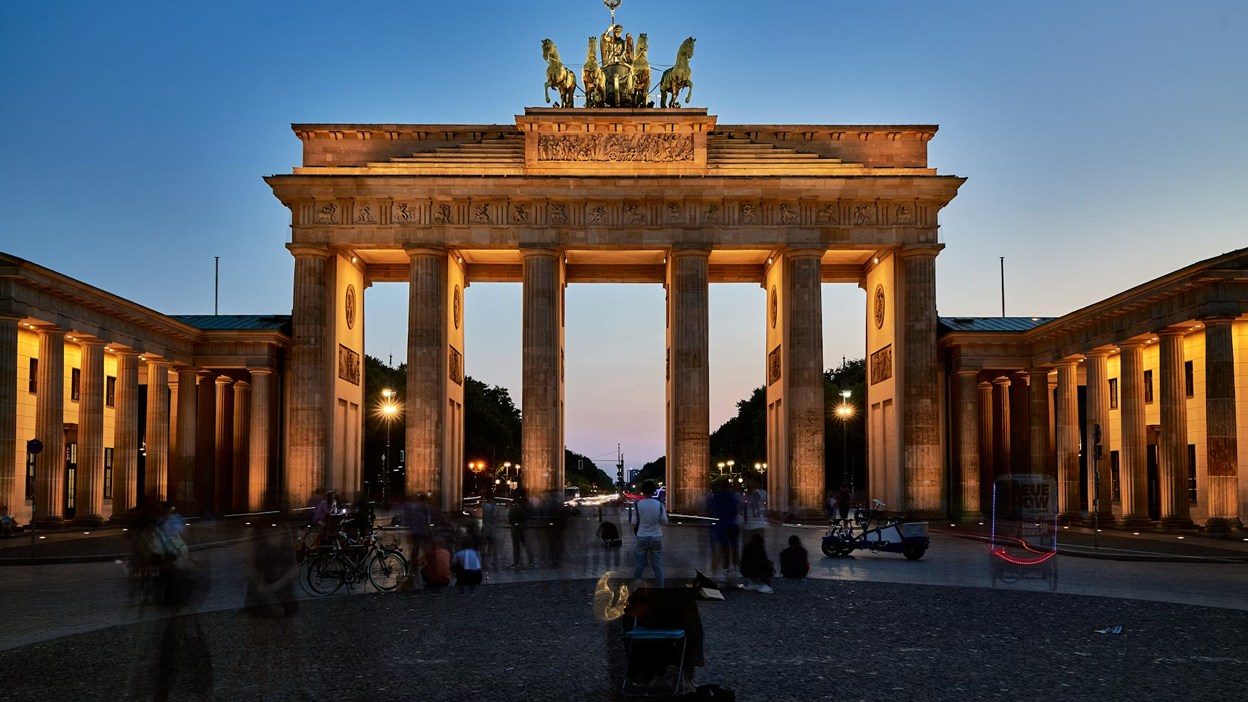
Cities like Berlin and Frankfurt burst with modern energy. Berlin is a lively cultural hotspot with a fusion of contemporary art scenes, cutting-edge technology, and historical significance. Meanwhile, Frankfurt impresses with its skyline of gleaming skyscrapers and economic vitality. These urban hubs contrast sharply with quieter, rural areas, providing a thrilling city experience with art galleries, lively cafés, and international cuisine.
Cultural Richness: Historic Towns and Cities
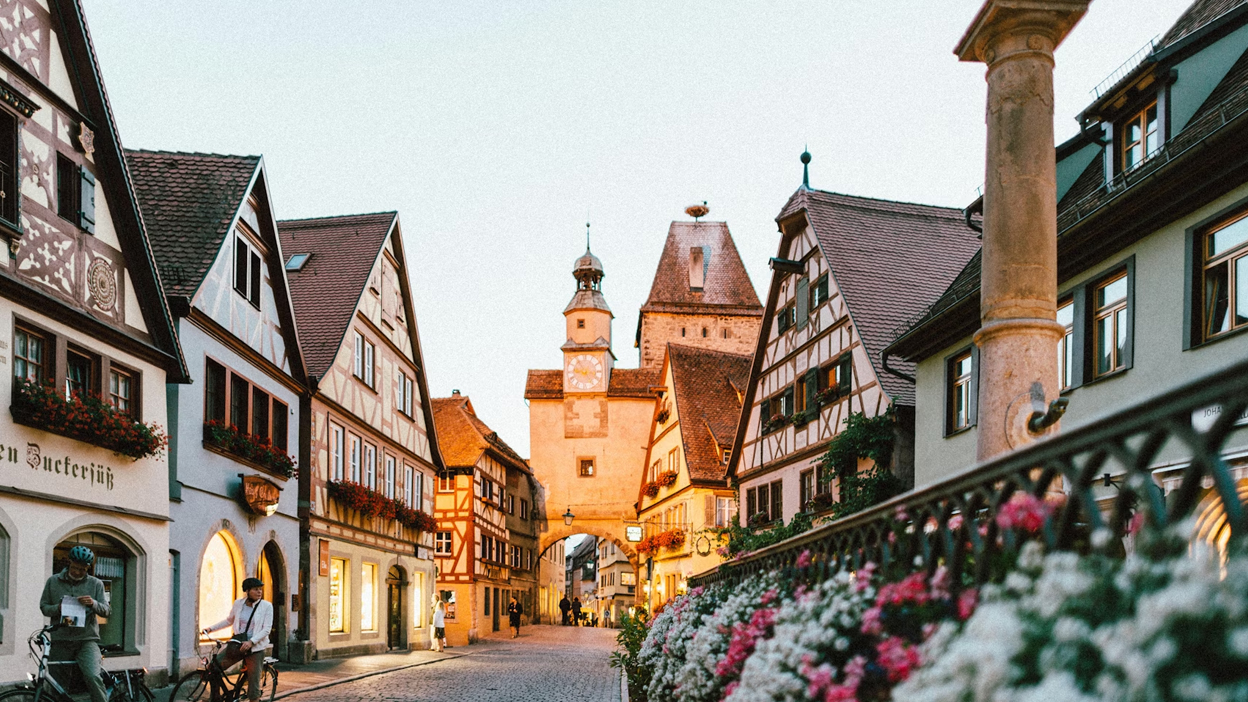
Some regions offer deep cultural immersion with a strong emphasis on tradition. For example, cities like Dresden and Nuremberg embody a historic ambiance with their preserved architecture and annual cultural festivals. These places highlight Germany’s artistic heritage and customs while offering visitors a chance to absorb centuries-old traditions in an authentic setting.
Natural Beauty: Scenic Landscapes and Countrysides
To balance bustling cities, consider regions such as the Bavarian Alps or the Rhine Valley for breathtaking nature escapes. These areas stand out for their serene countryside, picturesque vineyards, rolling hills, and tranquil lakes ideal for hiking, cycling, or simply relaxing. Their natural serenity is a perfect counterpoint to metropolitan excitement.
Coastal and Northern Charm: Mild Climates and Unique Locales
Northern Germany, including areas along the Baltic and North Sea coasts, introduces a different vibe with cooler weather, charming coastal towns, and wide sandy beaches. This region offers a distinct experience with its maritime culture, fresh seafood, and opportunities for water sports and nature reserves.
Summary of Best Places Germany
- Urban excitement pairs with relaxed rural retreats.
- Cultural hotspots complement natural landscapes.
- Diverse experiences enrich any travel itinerary.
These carefully chosen destinations represent the broad spectrum of things to do in Germany, ensuring your trip features a variety of interests and environments.
Things to Know Before Visiting Germany
Before landing in Germany, understanding key travel tips Germany can save you time and hassle while enriching your experience.
Language: Communication Simplified
German is the official language and universally spoken across the country. However, English is widely understood, especially in tourist-heavy locations and major cities. Learning a few basic German phrases—like “Guten Tag” (Good day), “Danke” (Thank you), and “Bitte” (Please/You’re welcome)—demonstrates respect and can smooth interactions. Smartphone apps such as Google Translate or Duolingo also come in handy for quick translations and pronunciation help.
Currency and Tipping Practices
Germany uses the Euro (€) as its official currency. While many places accept credit and debit cards, cash remains king in smaller towns or local markets. Tipping customs here differ slightly from other countries: usually rounding up the fare or adding 5–10% in restaurants is the norm. For taxi drivers or hotel staff, small tips show appreciation without being obligatory.
Mobile Internet and SIM Cards
Obtaining prepaid SIM cards or activating an eSIM from providers such as Vodafone, Telekom, or O2 is straightforward and affordable. Coverage is generally excellent across urban and many rural areas, making mobile internet access reliable. Free Wi-Fi is often available in cafés, hotels, airports, and major train stations. Handy apps include DB Navigator for train schedules and Google Maps or Citymapper for navigation.
Travel Regulations and Social Norms
Germany enforces strict smoking rules, with smoking banned inside public buildings, restaurants, and trains. Quiet hours (Nachtruhe) usually run from 10 PM to 6 AM in residential areas, during which loud noises should be avoided. Although COVID-19 checks have relaxed, it’s wise to verify any current restrictions or mask requirements depending on your travel season.
These essential travel tips Germany helps ensure you stay prepared and respectful during your visit.
Cultural Customs Tourists Should Know
Understanding local customs plays a key role in enjoying your trip and avoiding awkward social situations.
Etiquette: The Importance of Punctuality and Formality
Germans highly value punctuality, so arriving on time for appointments, tours, and public transport is expected. Formal greetings like handshakes are standard, especially when meeting someone for the first time. Respecting personal space and privacy is also important, meaning casual touching or standing too close is usually unwelcome.
Social Expectations: Communication Style and Quietness
The communication style tends to be direct and straightforward. This bluntness is not rudeness, but a cultural norm emphasizing clarity. On public transport, maintaining a quiet atmosphere shows respect for fellow passengers. Loud conversations or phone calls are generally frowned upon.
Common Misunderstandings and How to Avoid Them
Visitors often slip by forgetting basic politeness — not greeting shopkeepers with “Guten Tag” or failing to say “Danke” when served. Others may misinterpret formal titles or levels of respect. To avoid faux pas, use polite phrases, keep voice levels moderate, and observe local behaviors as guides.
Adhering to these travel tips Germany encourages will help you connect better with locals and navigate social situations smoothly while enjoying the many things to do in Germany.
Common Scams Tourists Should Avoid in Germany
While Germany is generally very safe, it is wise to be alert for a few common scams targeting travelers.
Unofficial Taxi Drivers
Some taxi drivers without official licenses may approach tourists at train stations or airports, offering rides without a meter or at inflated prices. To avoid this, always use licensed taxi companies or reputable ride-hailing apps like Free Now or Bolt.
Distraction Scams and Pickpocketing
Crowded areas like festivals, markets, and busy public transit stations are hotspots for pickpockets. Scammers often use distraction techniques such as asking for directions, spilling items, or creating commotions to divert attention while stealing wallets or phones.
Prevention Tips
- Keep valuables in front pockets or inside zipped bags.
- Avoid unsolicited help offers.
- Use money belts or secure travel wallets.
- Be cautious around overly friendly strangers in tourist hotspots.
Integrating these travel tips Germany ensures you minimize risk and enjoy your adventure stress-free.
Travel Mistakes to Avoid in Germany
New visitors sometimes make avoidable errors that can dampen their experience.
Underestimating Distances and Travel Times
Germany is larger than many expect, with a comprehensive but sometimes complex transport network. Allow ample time when traveling between cities or regions, especially when transferring between different modes of transport.
Forgetting to Validate Transport Tickets
In Germany, many train and bus tickets must be validated by stamping before boarding. Forgetting this can lead to hefty fines. Always check signs or ask staff if unsure.
Cultural Faux Pas
Attempting cashless payments everywhere may cause frustration, as some places prefer cash. Not observing quiet zones on public transit, or arriving late to reservations or tours, may be seen as disrespectful. Avoid these pitfalls by planning ahead and respecting local customs.
Last-Minute Booking and Weather Preparation
Waiting until the last minute to buy tickets during peak travel seasons can mean higher costs and limited availability. Also, prepare for swiftly changing seasonal weather with layered clothing and rain gear.
These travel tips Germany-oriented insights will help smooth your journey and avoid common missteps.
Best Time to Visit Germany
Knowing when to plan your trip can greatly enhance your experience.
Seasonal Climate Overview
- Spring (March–May): Mild temperatures and blossoming nature make spring charming.
- Summer (June–August): Warm weather perfect for outdoor festivals and exploring towns.
- Autumn (September–November): Stunning fall foliage and harvest festivals create a colorful ambiance.
- Winter (December–February): Cold weather welcomes cozy Christmas markets and winter sports.
Ideal Visiting Period
Late spring through early fall is generally best for comfortable weather, outdoor activities, and numerous events. However, each season has its merits depending on your interests.
Regional Climate Variation
Northern Germany tends to be cooler and wetter, influenced by the nearby seas. The southern regions, including Bavaria, enjoy slightly milder and sunnier weather, particularly in summer.
These insights from this Germany travel guide help you pick the optimal time to arrive.
A Simple Itinerary for First-Time Visitors
Planning a balanced trip helps you experience Germany’s soul across cities, culture, and nature.
Suggested 7–14 Day Itinerary
- Days 1–3: Western Metro Areas
Start in a major western city known for cultural diversity and historical sites, enjoy museums, lively neighborhoods, and urban parks. - Days 4–7: Southern Scenic Regions
Head south to explore alpine landscapes, traditional villages, and outdoor adventures like hiking or wine tasting in river valleys. - Days 8–10: Northern Cultural Centers
Finish up in northern cities featuring coastal vibes, maritime history, and relaxed seaside charm.
Time Allocation and Flexibility
Around 2–4 days per region offers a comfortable pace but feel free to extend city stays or countryside retreats based on personal interests. This flexibility allows you to incorporate top things to do in Germany and explore the best places Germany offers.
Major Cities and Regions in Germany
Broadening your options with quick highlights of additional key destinations.
Economic Hubs
Cities like Munich and Hamburg shine as innovation and commerce centers. These places merge historic charm with a modern business pulse, boasting thriving industries and international appeal.
Cultural Centers
Leipzig and Weimar are known for their arts, literature, and classical music legacies. These cultural hotspots offer museums, galleries, and vibrant creative scenes.
Outdoor Escapes
The Black Forest and Lake Constance regions provide excellent opportunities for hiking, skiing, and enjoying peaceful lakeside settings favored by nature lovers.
Identifying destinations that match your lifestyle preferences or scenic tastes will guide your planning within this comprehensive Germany travel guide.
Germany Travel Checklist
Packing smartly is key to a hassle-free trip.
- Travel Adapters: Germany uses Type F plugs (Schuko), so bring compatible power adapters for your electronics.
- Transportation Apps: Download apps like DB Navigator for train schedules, and local transit apps for public transportation.
- Language Tools: Carry phrasebooks or smartphone translation apps to aid communication.
- Cash: Keep some Euros on hand for small vendors or places that don’t accept cards.
- Travel Documents: Ensure you have necessary passes such as the Eurail Global Pass, BahnCard, or city transport passes.
- Weather-Appropriate Clothing: Check seasonal forecasts and pack layered clothing, waterproof gear, and comfortable shoes.
Following these travel tips Germany offers will prepare you thoroughly for your visit.
Conclusion
Germany’s fascinating blend of historic charm, modern innovation, and vast natural beauty offers travelers a deeply enriching experience. Whether wandering cobblestone streets, hiking alpine trails, or exploring urban art scenes, each moment holds something memorable.
This Germany travel guide aims to equip first-time visitors with vital insights on the best places Germany presents, practical travel tips Germany recommends, and things to do in Germany that showcase the nation’s diversity. Dive into city-level guides, build your customized itinerary, and get ready for an unforgettable adventure.
Embrace the excitement, prepare well, and enjoy the journey—Germany awaits your discovery.