
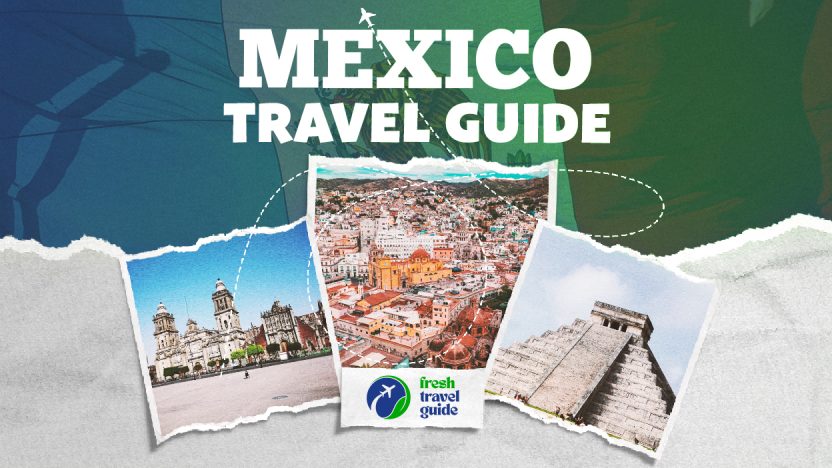
Mexico’s magnetic charm lies in its rich culture, sweeping landscapes, and vibrant energy. From sun-drenched beaches to towering mountains, bustling cities to serene deserts, travelers are met with an array of experiences that are as diverse as the country itself. This Mexico travel guide is designed for both first-time visitors and seasoned explorers to confidently navigate the country’s lively urban centers, culturally rich regions, and breathtaking natural wonders.
In this comprehensive guide, you will discover the best places to visit in Mexico, uncover key things to do in Mexico, and gain essential travel tips Mexico for a smooth and rewarding trip. Mexico’s spirited hospitality sometimes comes with surprises or challenges, but with preparation and local insight, your journey will be unforgettable.
Best Places to Visit in Mexico: Regions and Their Vibes
Mexico’s vastness means travelers can choose between very different atmospheres, climates, and cultural flavors depending on the region. Understanding these broad clusters helps visitors align their interests to the right corners of the country.
Mexico City and Central Valley
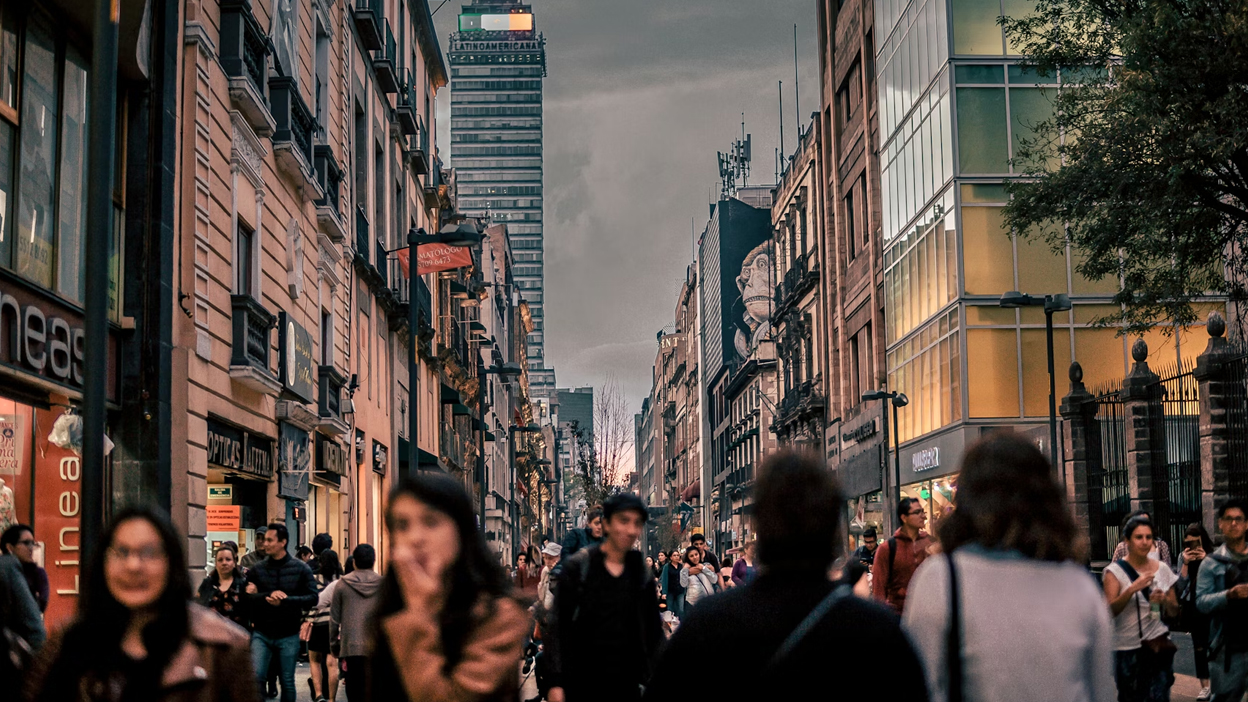
The heart of Mexico pulses in the sprawling urban tapestry of Mexico City and its surrounding Central Valley. Here, you’ll find a dynamic clash of old and new—colonial architecture rubs shoulders with cutting-edge modernity. The vibe is intense and energetic, with a constant buzz of arts, music, and gastronomy. Visitors experience an urban rhythm mixing history and contemporary life, framed by surrounding volcanoes and hills.
Mexican heritage is deeply rooted here, with strong indigenous influences that coexist with centuries-old Spanish colonial legacies. This region embodies a cultural mosaic, reflecting diverse traditions, festivals, and creative expressions.
Pacific Coast
The Pacific Coast of Mexico greets travelers with warm, breezy beaches and laid-back hospitality. Its atmosphere ranges from sleepy fishing villages to lively beach resorts. Expect golden sunsets over vast ocean horizons and the sound of waves mingling with local music.
Culturally, the coast fosters a connection to the sea and its bounty. Indigenous and Afro-Mexican communities imprint their rhythms and foods, while artisanal crafts flourish. The feel is casual but rich with traditions tied to the ocean and regional celebrations.
Yucatán Peninsula and the Jungle South
The Yucatán Peninsula and southern jungle regions envelop visitors in lush greenery, warmth, and deep heritage. The climate is tropical and humid, offering a unique blend of ancient indigenous customs and colonial influences.
This area captivates travelers interested in natural wonders, ancient cultures, and vibrant local communities. The jungle hums with life, and traditional lifestyles remain strong, showcased in markets, festivals, and cuisine rooted in Mayan culture.
Northern Desert
Mexico’s northern desert offers a contrasting experience—arid landscapes under wide blue skies. The energy here is quieter and rugged, attracting travelers who seek adventure and solitude rather than crowds.
Culturally, this region reveals a blend of indigenous northern tribes and frontier influences. The vast open spaces are dotted with small towns where a sense of community combines with a pioneering spirit. Here, the desert holds stories of resilience, mining history, and unique art forms.
Highlands
The Mexican highlands provide cooler climes and dramatic mountainous terrain. Mornings often bring crisp air and mist-shrouded valleys. The ambiance is more peaceful compared to urban centers, with a focus on rural traditions and indigenous heritage.
Cultural life is deeply tied to agricultural cycles, traditional crafts, and community rituals. Travelers find themselves immersed in authentic Mexican life, where festivals, markets, and folklore retain a captivating charm.
Things to Know Before Visiting Mexico
Preparation goes a long way toward enjoying your visit. This section covers practical travel tips Mexico to help you navigate language, currency, connectivity, and local quirks.
Language
Spanish is the official and dominant language throughout Mexico. While countless indigenous languages are spoken in specific communities — such as Nahuatl or Maya — their use outside these areas is limited.
English is widely understood in tourist hotspots, hotels, and some urban businesses. However, learning a handful of basic Spanish phrases goes a long way for smoother interactions and shows respect to locals.
Currency
The Mexican Peso (MXN) is the national currency. Although credit and debit cards are increasingly accepted in shops, restaurants, and hotels, cash remains king, especially in rural areas, markets, and smaller establishments.
Tipping is an important cultural element. Restaurants typically expect 10–15% gratuity. Taxi drivers, hotel staff, and guides also appreciate small tips depending on service quality.
Mobile Connectivity
For reliable mobile service, purchasing a local SIM card is advisable. These are easily obtained at airports, cellphone stores, or authorized street vendors. Popular carriers include Telcel, Movistar, and AT&T Mexico.
Internet is usually strong in hotels, cafés, and urban areas but often patchy or unavailable in remote villages or jungle zones. Planning offline access to maps and guides can help.
Local Nuances
Mexico’s informal transport options include colectivos (shared minivans) and peseros (small buses). These are economical choices but require patience and understanding of their informal operations and routes.
Safety-wise, avoid openly displaying expensive devices or large amounts of cash in public. When using mobile phones in crowded areas, stay alert to your surroundings to prevent petty theft.
Cultural Customs Tourists Should Know
Respecting local customs enriches your experience and fosters good relations with the people you meet. Here are social norms to be aware of when traveling in Mexico.
Greetings and Titles
Formal greetings often involve a firm handshake or quick cheek kisses between acquaintances, especially among women or in social settings. Using formal titles like Señor (Mr.) or Señora (Mrs.) shows politeness, especially in first meetings or professional contexts.
Conversational Norms
Polite small talk forms the backbone of social interaction. Initial conversations typically avoid overly personal or sensitive topics. Family is central to Mexican culture and often a safe topic of interest.
Hospitality and Social Behavior
Mexicans are known for their warmth and hospitality. It is common to be offered food or drinks when visiting homes or markets, a gesture that reflects generosity and welcome.
Dress modestly in rural or religious areas to respect local customs. Loud or disruptive behavior in quiet communities may be frowned upon.
Punctuality and Tipping
“Mexican time” refers to a more relaxed approach to punctuality. Events or meetings might not start exactly on schedule. Plan accordingly and be patient.
Understanding nuanced tipping – how much, where, and when – helps avoid embarrassment. Service workers often rely on tips as part of their income.
Common Scams Tourists Should Avoid in Mexico
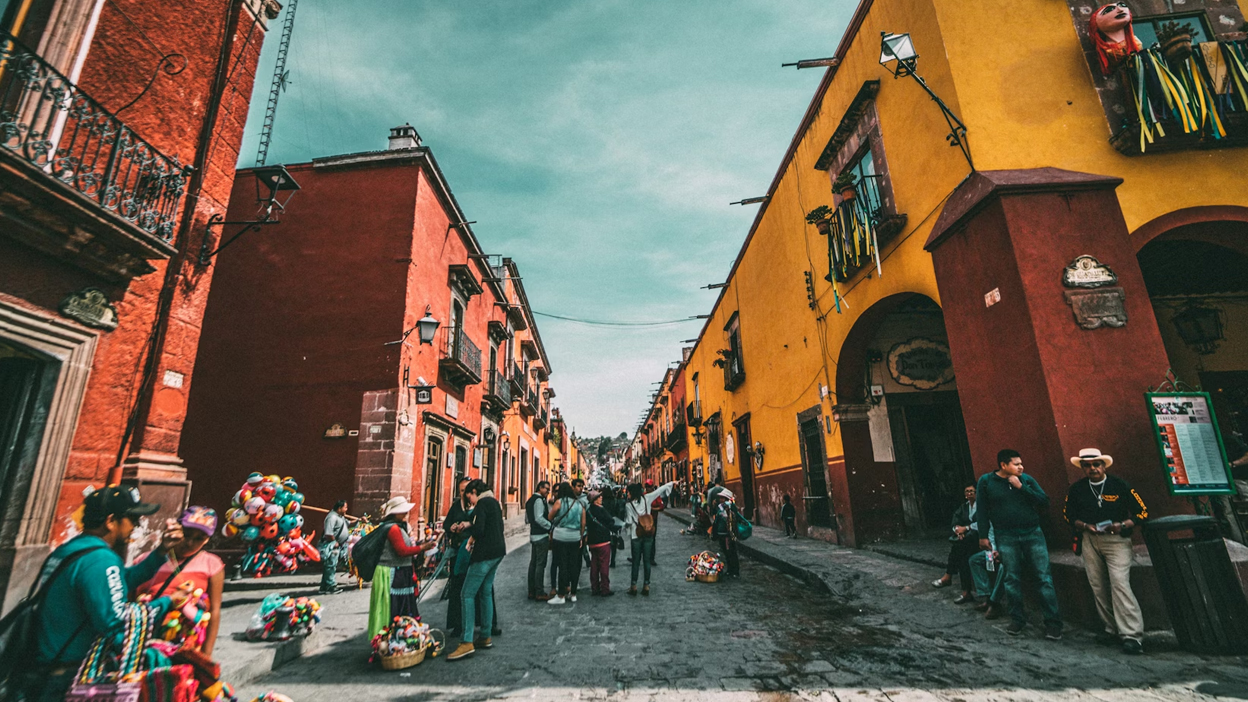
Being aware of common tourist scams helps travelers keep their money and peace of mind intact.
Taxi Scams
Some taxi drivers avoid using meters or request inflated fares, especially at airports or popular tourist areas. Always insist on meters or use reputable ride service apps like Uber, which is widely available and safer.
Fake Tour Guides
Unlicensed guides sometimes offer expensive or misleading tours. Book excursions only through verified companies or trusted hotel concierge desks.
Currency Exchange Rip-Offs
Shady currency exchanges may offer poor rates or counterfeit bills, primarily in tourist-heavy areas. Always exchange money at official banks or authorized exchange bureaus.
Prevention Tips
- Use metered or app-based taxis.
- Agree on prices beforehand if meters aren’t available.
- Verify tour operators’ credentials.
- Keep small bills handy for easy payments and tips.
- Use official currency exchange channels.
Travel Mistakes to Avoid in Mexico
Avoiding common pitfalls can save frustration and ensure a more immersive, enjoyable trip.
Underestimating Travel Distances
Mexico’s regions are vast, and travel times between destinations can be long. Plan accordingly and don’t expect to cover large distances quickly.
Ignoring Weather Patterns
Avoid traveling in the rainy season without preparation, as flooding and storms can disrupt plans, especially in jungle and coastal regions.
Carrying Insufficient Cash
Many smaller towns and informal vendors do not accept cards. Carry enough pesos, especially in remote areas.
Cultural Faux Pas
Overpacking valuables that attract attention increases theft risk. Respect local customs—no loud behavior in tranquil or religious settings.
Logistical Oversights
Research local public transport schedules to avoid long waits or missing key connections. Also, not all neighborhoods are safe after dark; exercise caution and seek local advice.
Best Time to Visit Mexico
Mexico’s climate varies so much that timing your visit according to regions enhances comfort and experience.
Seasons Overview
- Dry Season (November to April): Generally mild and sunny with little rain. Ideal for most traveler activities.
- Wet Season (May to October): Characterized by heavy rains, especially in the south and jungle areas, with higher humidity.
Regional Recommendations
Beach and jungle destinations shine in the dry season for pleasant weather and accessibility.
Northern deserts and highlands are best visited during cooler months (winter) to avoid scorching heat.
Peak and Shoulder Seasons
Christmas, Semana Santa (Holy Week), and summer holidays see large tourist crowds and higher prices. Shoulder seasons before or after these peak months provide fewer crowds and better availability.
A Simple Itinerary for First-Time Visitors
A flexible itinerary helps you experience Mexico’s wide appeal from urban excitement to nature’s calm.
Days 1–3: Urban Immersion
Start in a major city to soak up nightlife, vibrant markets, museums, and local flavors. Experience Mexico’s urban pulse and rich history side by side.
Days 4–6: Cultural and Highland Exploration
Head to culturally rich or highland regions where the air is cooler, traditions run deep, and everyday life feels authentic. Spend time in local markets, villages, or mountain towns.
Days 7–10+: Coastal or Nature Relaxation
Finish with beach towns, deserts, or jungle adventures. Enjoy outdoor activities, water sports, or simply unwind in nature’s embrace.
This balance maximizes exposure to Mexico’s cultural, geographic, and atmospheric diversity.
Major Cities and Regions in Mexico
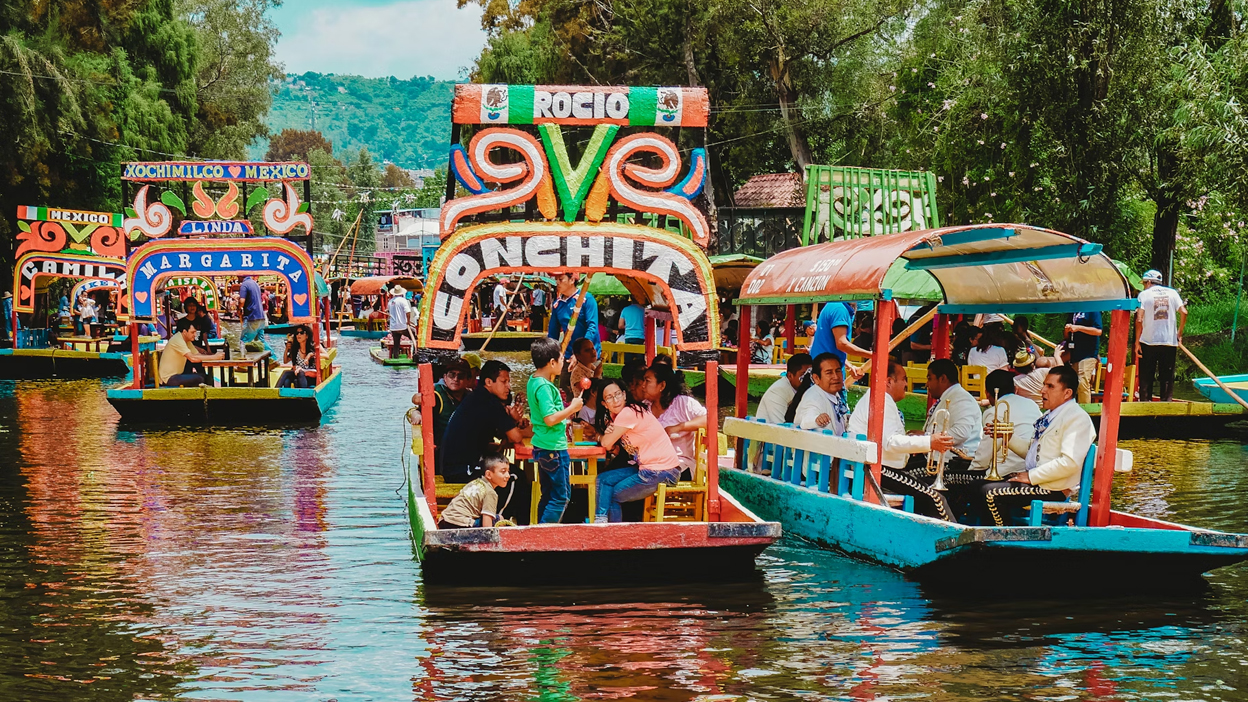
Mexico’s diversity comes alive through its key urban and regional hubs:
- Mexico City: A cosmopolitan urban center blending historic grandeur with modern urban culture.
- Guadalajara: Known for mariachi music, colonial buildings, and a lively cultural scene.
- Yucatán Peninsula: Famous for tropical jungles, Mayan traditions, and beach resorts.
- Baja California: A desert landscape meeting Pacific beaches, favored by adventurers.
- Chiapas: Offers indigenous cultural richness and lush highland environments.
Each place offers distinct experiences suited to different tastes in culture, nature, and pace.
Mexico Travel Checklist
Packing smart and coming prepared ensures comfort and readiness.
Essentials for Mexico’s Climate and Culture
- Broad-spectrum sunscreen and wide-brimmed hats for strong sun protection.
- Insect repellent, especially for jungle and mosquito-prone areas.
- Comfortable walking shoes suited for uneven terrain and urban wandering.
Important Documents and Money
- Valid passport and photocopies stored separately.
- Travel insurance information printed or saved offline.
- Mexican Pesos in small denominations and a credit/debit card with low foreign fees.
Mobile and Tech Gear
- Local SIM card options for connectivity.
- Portable phone chargers for long days of exploration.
Cultural Respect Items
- Modest clothing pieces for visits to religious or rural locations.
- Reusable water bottle to stay hydrated and reduce environmental impact.
Conclusion
Mexico dazzles with its unique blend of vibrant culture, hospitable people, and stunning landscapes. This Mexico travel guide arms you with crucial insights and travel tips Mexico to help you make the most of your adventure. Being prepared with practical knowledge and cultural respect deepens your connection to the destinations and people you encounter. For a richer trip, consider city- or region-specific guides as you refine your plans.
Embrace Mexico’s energy and variety with confidence—you’re about to discover one of the world’s most captivating countries.
Safe travels and unforgettable experiences await!