

Portugal is a charming and diverse destination that welcomes travelers with open arms. Its manageable size packs a powerful mix of rich culture, breathtaking landscapes, and warm hospitality. This Portugal travel guide is designed to help first-time visitors unlock what makes this country truly unique. Whether you’re drawn to lively cities by the sea, peaceful rolling countryside, or historic towns overflowing with old-world charm, this guide covers it all.
From the best places Portugal has to offer, to essential cultural customs, and practical travel tips Portugal tourists need to know, you’ll find everything here to plan your perfect trip with confidence. Let’s dive in and discover why Portugal tops the list for travelers worldwide.
Best Places to Visit in Portugal: Explore Diverse Landscapes and Atmospheres
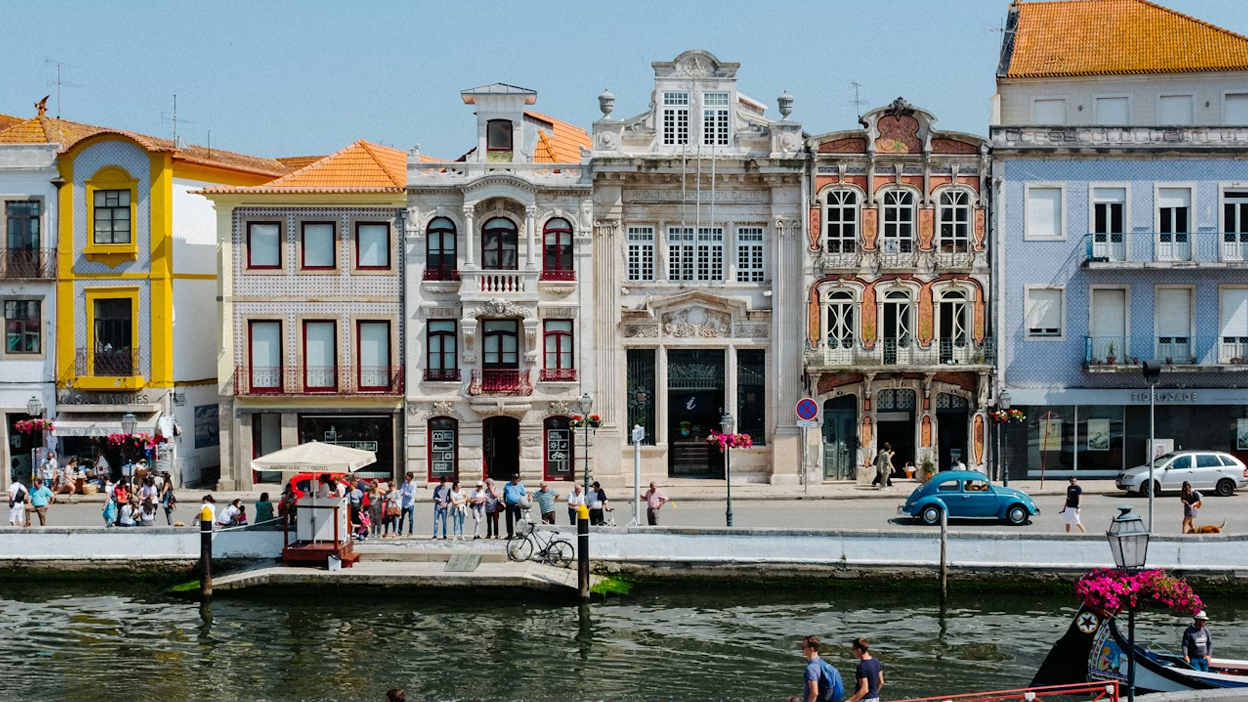
Portugal offers a variety of travel experiences tailored to many tastes. Its regions can be grouped into five broad types that appeal to different kinds of travelers seeking distinct vibes:
- Vibrant Coastal Cities: The buzz of lively city streets meets stunning beaches here. Think colorful street life, thriving nightlife, and seafood culture fresh from the Atlantic. These urban hubs pulse with energy day and night.
- Peaceful Countryside: For those craving tranquility, Portugal’s countryside features gentle rolling hills, expansive vineyards, and quiet villages rich with rustic charm. This slower pace invites deep relaxation.
- Historic Cultural Hubs: Home to old towns, cobblestone streets, and timeless architecture, these areas showcase Portugal’s artistic heritage and centuries-old traditions. They are treasures for history and art lovers.
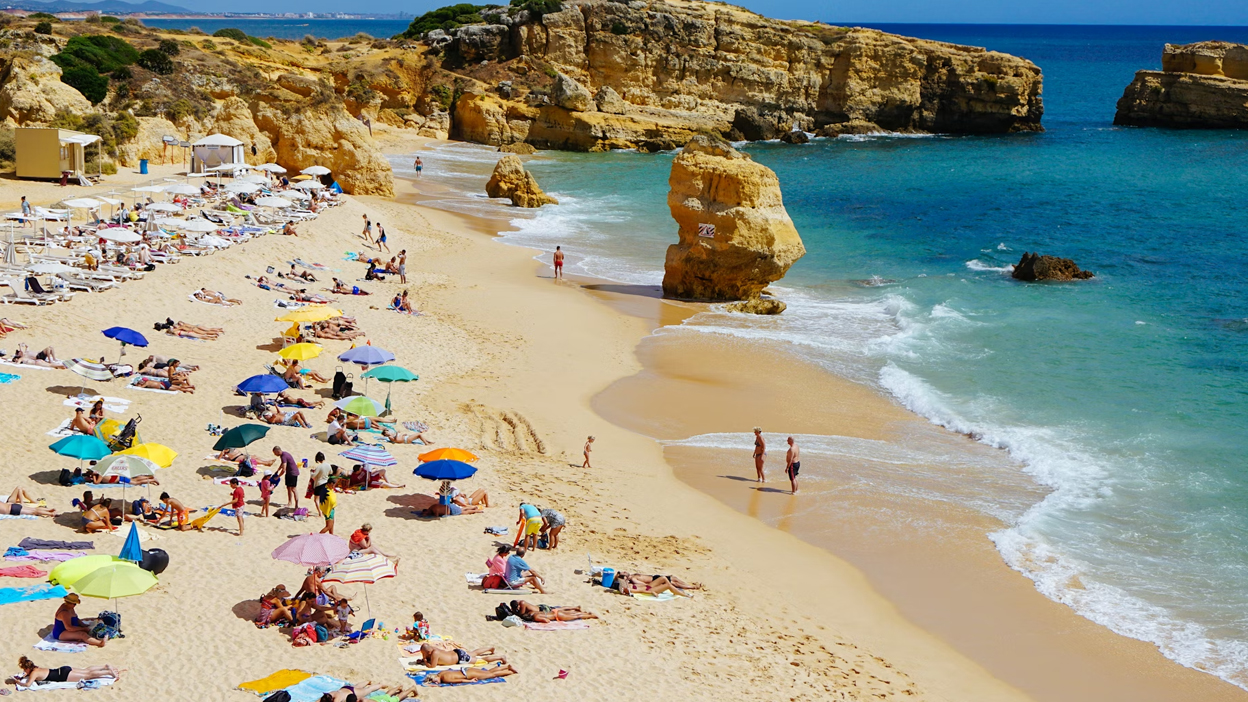
- Sunny Beach Regions: With warm Mediterranean and Atlantic breezes, these sunny coastal zones provide year-round opportunities to relax, swim, or engage in water sports like surfing, sailing, and paddleboarding.
- Mountainous or Nature Areas: Adventurers and nature enthusiasts will appreciate the scenic hiking trails, protected natural reserves, and awe-inspiring views found in Portugal’s mountain ranges and wilderness.
Each of these categories offers things to do in Portugal depending on your interests—whether that’s beach relaxation, exploring cultural landmarks, or outdoor adventures.
Things to Know Before Visiting Portugal: Essential Practical Advice
Having a few basics locked down makes your trip smoother. Here’s what every traveler needs to know:
Language Basics
While Portuguese is the official language, learning simple conversational phrases can make a big difference. Greetings like “Olá” (Hello) and “Obrigado” (Thank you) open doors and warm local interactions. English is widely spoken in tourist areas, but locals appreciate when visitors try even a bit of Portuguese. Polite expressions enhance your experience.
Currency and Payments
Portugal uses the Euro (€). While credit and debit cards are accepted almost everywhere, carrying some cash is wise for small markets, cafes, or tipping. Having a mix of cash and cards ensures flexibility.
Tipping Customs
Tipping in Portugal is modest but appreciated. In restaurants, leaving 5–10% of the bill is common if the service is good. Taxi drivers usually appreciate rounding up the fare. Tips are a courteous gesture, not mandatory.
Connectivity and SIM Cards
Staying connected is easy. Local SIM cards from main carriers like MEO, Vodafone, and NOS are affordable and widely available at airports, shops, and kiosks. Free Wi-Fi is also common in cafés, hotels, and city centers, helping tourists stay online without extra cost.
This section of the Portugal travel guide ensures you start your journey well prepared with key travel tips Portugal veterans swear by.
Cultural Customs Tourists Should Know: Respect and Etiquette in Portugal
Understanding local customs enhances respect and enjoyment.
Polite Greetings
Portuguese people often use formal titles “Senhor” (Mr.) or “Senhora” (Mrs./Ms.) when addressing strangers or elders. Among friends and family, cheek kisses (beijos) are common—usually two or three light kisses alternating cheeks. Handshakes are reserved for formal situations.
Social Norms
Punctuality is valued in business and formal events, but social gatherings can start a bit later, reflecting a more relaxed timetable among friends.
Dining Etiquette
When dining, patience and manners are key. Wait for everyone to be served before starting your meal. Leaving a small amount of food on your plate can be seen as rude; finishing your plate shows appreciation. Meals are often social events, so savor the moment and conversation.
Dress Codes
Dress conservatively when visiting churches or formal venues. Elsewhere, casual attire is acceptable, especially in beach or rural settings.
Common Mistakes to Avoid
Avoid loud behavior in public spaces and shouting, which can offend locals. Don’t mistake friendliness for casualness—respect personal space and personal manners at all times.
Incorporating these travel tips Portugal will make your trip smoother and more rewarding.
Common Scams Tourists Should Avoid in Portugal: Staying Safe and Smart
Portugal is generally safe for tourists, but awareness is key to avoid common scams.
- Unsolicited Help: Be wary of strangers offering unsolicited assistance or tours—they may push unwanted services or inflate prices.
- Fake Ticket Sellers: Buy tickets to attractions only at official counters or verified vendors. Avoid street sellers who often sell counterfeit or invalid passes.
- Currency Exchange Booths: Some exchange services charge hidden fees or offer unfair rates. Use bank ATMs or reputable exchange outlets and always verify rates upfront.
Tips to Avoid Scams
Always insist on receipts, verify prices before agreeing to any service, and politely decline unwanted offers. These simple habits make a big difference when traveling smartly.
This section adds practical travel tips Portugal visitors need to stay safe while enjoying their trip.
Travel Mistakes to Avoid in Portugal: Save Time and Avoid Hassles
Even the best trips can be derailed by common errors. Here’s what to watch out for:
Planning Pitfalls
Portugal’s cities might seem close on a map but distances can be underestimated. For example, trips from Lisbon to Porto take around three hours by train or car. Booking transport and accommodation well in advance is crucial during peak times like summer or festival seasons to avoid limited availability or high prices.
Cultural Misunderstandings
Ignoring local language basics or customs can create uncomfortable moments. Even small efforts to greet or thank people in Portuguese count. Respecting traditions enhances your experience.
Logistics Errors
Relying solely on public transport in rural regions may limit your itinerary flexibility. Also, not carrying enough cash might be inconvenient in areas where card use is less widespread.
Avoiding these pitfalls helps keep your itinerary smooth and pleasant. This is key travel tips Portugal included in every thoughtful Portugal itinerary.
Best Time to Visit Portugal: Weather and Crowd Insights
Knowing when to visit helps you get the best out of your time.
Seasonal Weather Patterns
- Spring (March-May): Mild temperatures, blooming landscapes, and fewer tourists make this a wonderful time for sightseeing.
- Summer (June-August): Hot weather and bustling beach scenes, especially along the coast. Expect lively festivals and crowds.
- Fall (September-November): Harvest season brings pleasant weather, vibrant festivals, and a quieter atmosphere compared to summer.
- Winter (December-February): Coastal areas enjoy mild winters. Inland regions see cooler, sometimes chilly weather. Tourism slows, offering tranquility.
Regional Climate Variations
Coastal areas maintain mild temperatures year-round, ideal for beach lovers. Interior parts of Portugal experience hotter summers and colder winters, suitable for travelers who enjoy seasonal contrasts.
For balanced weather and fewer crowds, spring or fall are the recommended seasons for most visitors.
This essential travel tips Portugal section ensures you time your trip perfectly.
A Simple Itinerary for First-Time Visitors: Balance City Life and Nature
Planning your days is easier with a flexible itinerary that touches Portugal’s varied charms over 7 to 14 days.
- Days 1–3: Dive into urban culture by exploring a major city hub like Lisbon or Porto. Discover museums, historic sites, buzzing markets, and vibrant nightlife.
- Days 4–6: Travel inland to a cultural or countryside region such as Alentejo to experience rural life, sample wines, and relish peaceful scenery.
- Days 7–10: Head toward a coastal or natural retreat, like the Algarve or Serra da Estrela mountains. Enjoy beach relaxation, hiking, or outdoor adventure.
This structure balances things to do in Portugal without overwhelming travel time. It’s adaptable for individual preferences and pacing — an ideal Portugal itinerary for newcomers.
Major Cities and Regions in Portugal: Where to Go and What to Expect
Here are vivid snapshots of the key stopovers in Portugal’s diverse geography.
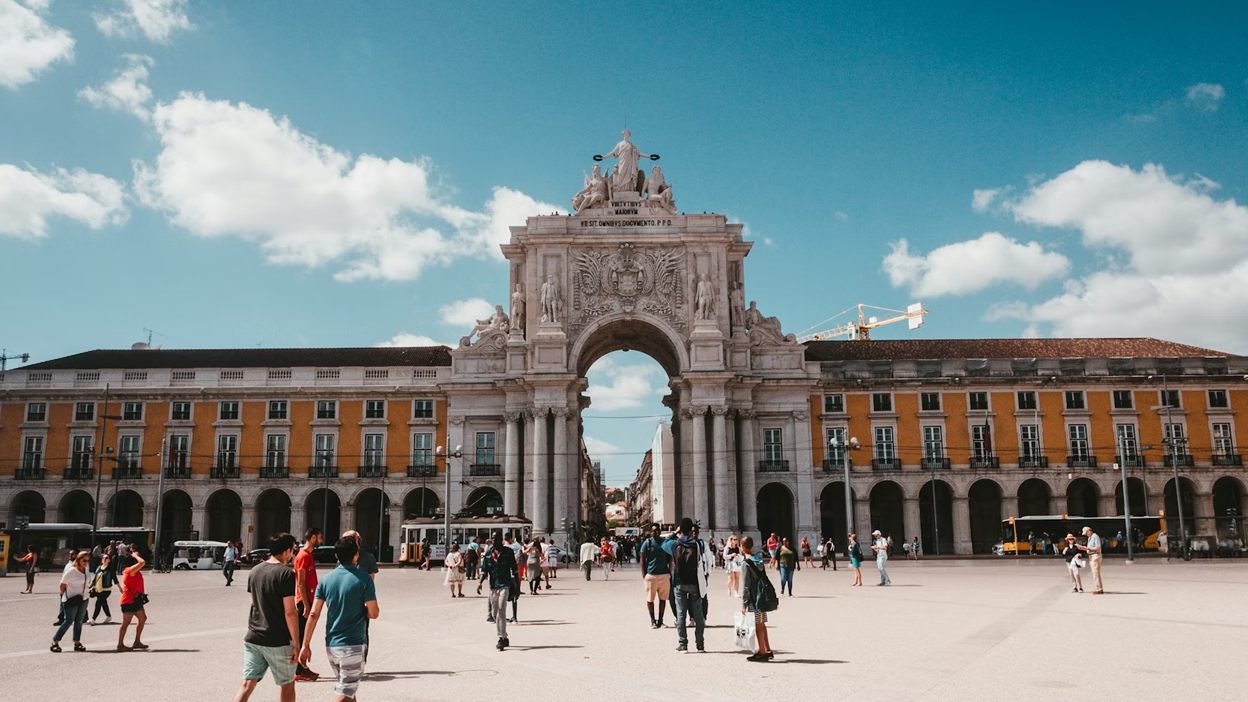
- Lisbon: Portugal’s lively capital mixes historic charm with modern vibrancy. Perfect for culture seekers and food lovers, it offers iconic landmarks and bustling neighborhoods.
- Porto: Known for its scenic riverside setting and famous port wine heritage, Porto is slightly quieter but deeply characterful.
- Alentejo Countryside: Expansive rolling plains and vineyards make this region ideal for slow travel, wine tasting, and intimate encounters with rural traditions.
- Algarve Coast: Sun-drenched, sandy beaches and crystal-clear waters attract visitors for summer relaxation and popular water sports.
- Serra da Estrela Mountains: A top choice for nature lovers and hikers, this mountainous area offers year-round outdoor activities and breathtaking landscapes.
Each destination suits unique traveler types and interests, helping you select the best places Portugal to focus on during your trip.
Portugal Travel Checklist: Essentials for a Smooth Journey
Packing with Portugal in mind ensures you’re ready for its unique realities.
- Portuguese Phrasebook or Translation App: Quick language help enriches interactions.
- Comfortable Walking Shoes: Essential for navigating cobblestone streets and uneven terrain.
- European to Portuguese Power Adapter (Type F Plug): For charging electronics easily.
- Small Denominations of Euros: Handy for tipping, markets, and small purchases where cards aren’t accepted.
- Local SIM Card or International Roaming Setup: Keeping connected is simple but requires preparation.
- Lightweight Rain Jacket: Coastal weather can be unpredictable, so a rain layer is practical year-round.
These travel tips Portugal keep your suitcase targeted and useful.
Conclusion
Portugal’s blend of welcoming culture, stunning landscapes, and compact size delivers a uniquely rewarding travel experience. This Portugal travel guide has given you a clear look at everything from best places Portugal offers to vital travel tips Portugal for first-timers.
Use this as your stepping stone to deeper explorations into each city, region, and cultural gem. Whether you crave urban energy, seaside peace, or countryside calm, Portugal awaits with open arms.
Begin planning today. Adventure and discovery are just a flight away!