

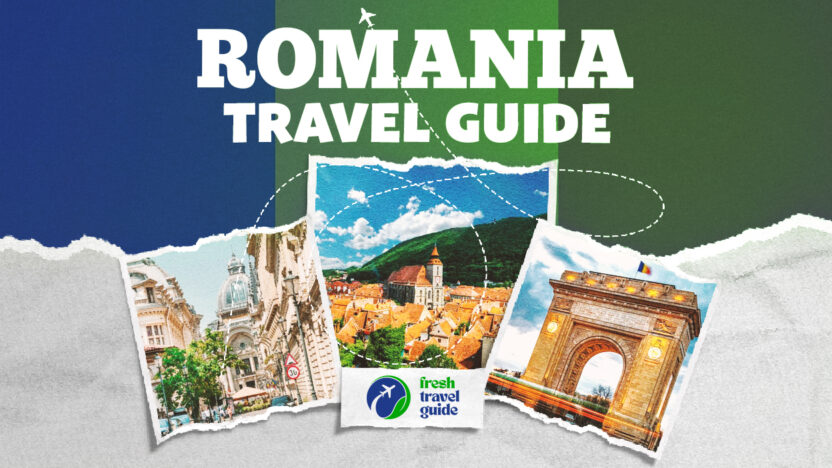
Romania is a hidden gem in Eastern Europe, known for its untouched nature, rich history, and vibrant culture. This diverse country offers everything from medieval towns and grand castles to rugged mountains and a scenic Black Sea coastline. Whether you want to wander cobbled streets filled with centuries-old architecture or hike through pristine wilderness, Romania provides an authentic, off-the-beaten-path experience for adventurous travelers.
In this comprehensive Romania travel guide, you will discover the best places Romania has to offer, the top things to do in Romania, essential travel tips Romania visitors need to know, and a detailed itinerary to help you plan your trip. While Romania is welcoming and full of fascinating experiences, travelers should be prepared for some challenges, such as language barriers, rural navigation, and cash-based payments. This guide will equip you with all the knowledge to make your journey smooth and unforgettable.
Best Places to Visit in Romania
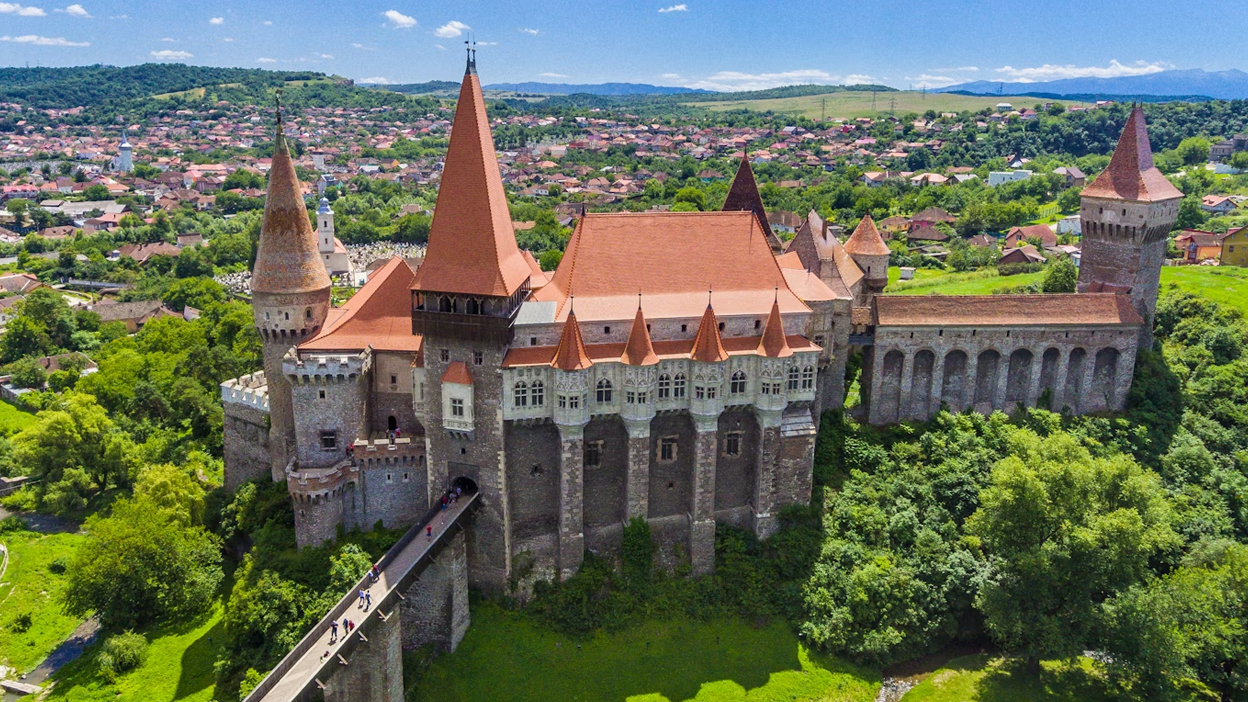
Romania’s remarkable geographic and cultural diversity creates a range of unique atmospheres to explore. Each region offers something special that contributes to a richly varied travel experience.
The Capital City – Bucharest
Bucharest, Romania’s capital, is an energetic metropolis where history and modern life merge seamlessly. The city’s dynamic architecture ranges from imposing communist-era buildings to elegant neoclassical facades and sleek new developments. Bucharest buzzes with a lively cultural scene including museums, galleries, theaters, and trendy cafes. It invites travelers to enjoy both its old-world charm and contemporary buzz, making it a must-see urban hub.
Historic Towns
Romania’s historic towns are treasure troves of medieval streets and local crafts. Steeped in history, these towns preserve the traditions and heritage of bygone eras. Their well-preserved architecture lines cobbled lanes filled with artisan shops, markets selling handcrafted goods, and vibrant squares that offer a glimpse into local customs. These towns exude a unique cultural vibe distinct from the bustle of larger cities, ideal for immersing yourself in the country’s soul.
Rural Regions
Venture into Romania’s rural heartlands to discover pastoral landscapes where traditional lifestyles thrive. Small villages with wooden houses, handmade pottery, and time-honored farming practices still flourish here. These peaceful settings offer a break from modern life, where you can connect with local customs and enjoy authentic rural hospitality. The slow pace and handcrafted traditions make rural Romania an enriching part of your itinerary.
Mountainous Areas
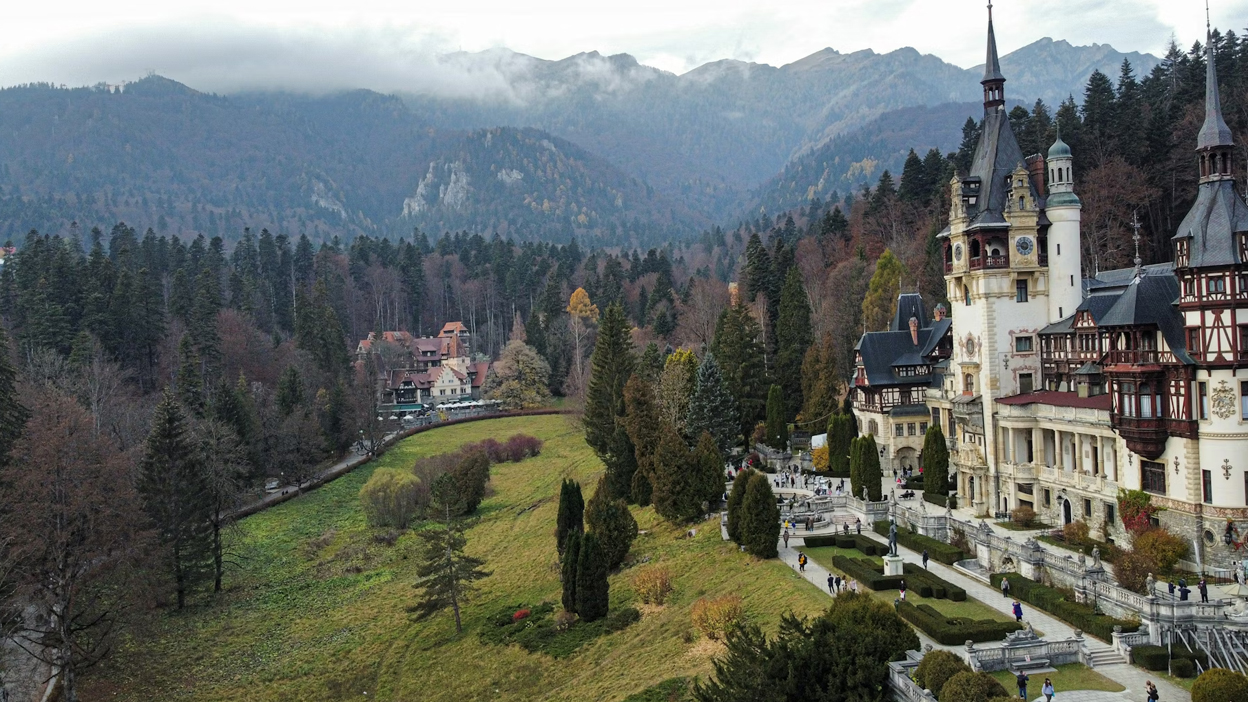
The Carpathian Mountains dominate Romania’s natural scenery with fresh air and breathtaking views. This region is perfect for outdoor enthusiasts seeking hiking trails, nature walks, and tranquil escapes. The rugged landscape features dense forests, alpine meadows, and soaring peaks. Whether trekking in the summer or skiing in the winter, the mountains offer peaceful retreats filled with pure natural beauty.
Coastal Region – Black Sea Coast
Romania’s Black Sea coast presents a slower pace and picturesque seaside culture. Here you will find sandy beaches, fishing villages, and resort towns where the air carries the scent of salt and seafood. The coastal region is ideal for relaxation, water sports, and sampling fresh fish dishes. It offers a contrast to the urban and mountainous experiences, rounding out a diverse Romanian visit.
By exploring these different atmospheres—from vibrant cities to tranquil countryside and rugged mountains to sunny coastlines—you will enjoy a truly comprehensive experience of Romania’s best places and things to do in Romania.
Things to Know Before Visiting Romania
Before you set off, it’s important to understand some practical matters that will shape your trip. This section offers essential travel tips Romania visitors need to navigate the country smoothly.
Language
Romanian is the official language and is spoken nationwide. In urban centers such as Bucharest or Cluj-Napoca, English is often understood, especially among younger people and those working in tourism. However, in rural areas and small villages, English proficiency can be limited. To ease communication, bring a basic phrasebook or download a translation app. Learning a few simple Romanian phrases will be appreciated and can improve your interactions.
Currency
The official currency is the Romanian Leu (RON). Many businesses, especially outside major cities, still operate mainly with cash, so always carry some local currency for everyday expenses. While credit and debit cards are increasingly accepted in shops, restaurants, and hotels in cities, rural vendors and small establishments may not accept cards. ATMs are available but can be scarce in remote areas, so plan accordingly to avoid running out of cash.
Tipping
Tipping is customary but not compulsory in Romania. In restaurants, leaving a 5 to 10% tip is standard if the service is good. For taxis, rounding up the fare is appreciated. While not mandatory, tipping is seen as respectful and shows appreciation for good service, especially in more tourist-oriented places.
Connectivity
Internet speed and mobile coverage vary widely across Romania. Urban areas generally enjoy strong 4G coverage and fast Wi-Fi, making it easy to stay connected. Rural and mountainous zones can have patchy or slow connections. Buying a local SIM card with a data plan is recommended for reliable access throughout your trip. This will help with navigation, translation, and accessing travel information on the go.
Taking note of these travel tips Romania essentials will help you avoid common pitfalls and stay comfortable as you explore.
Cultural Customs Tourists Should Know
Understanding Romanian customs enhances your experience and shows respect for local people. Here are basic etiquette and social norms to keep in mind while traveling.
Polite Greetings and Respect
A handshake is the most common polite greeting in Romania, often accompanied by direct eye contact and a warm smile. When addressing elders or people in formal situations, use respectful titles along with their last names. Removing shoes when entering someone’s home is customary, so be prepared for this practice and dress accordingly.
Hospitality and Invitations
Romanian culture highly values hospitality. Guests are often offered food or drinks at the home or in shops, and declining these offers too abruptly or rudely may be considered impolite. Accepting at least a small portion or expressing gratitude politely is the norm. Hospitality reflects warmth and friendliness, so embrace these gestures.
Body Language and Conversation Style
Romanians tend to communicate in a calm and measured manner, avoiding overly expressive gestures. Loud or animated body language can be seen as aggressive or disrespectful. When conversing, keep a composed tone and practice attentive listening. Directness in communication is customary but can seem blunt to outsiders, so adapt accordingly.
Cultural Mistakes Tourists Often Make
Visitors often unknowingly ignore small customs such as addressing strangers with proper respect or accepting hospitality gracefully. Avoiding these missteps helps you blend in and prevents misunderstandings. Showing sensitivity to cultural etiquette is appreciated and enriches your interactions.
By following these travel tips Romania style, you can engage meaningfully with locals and enjoy a respectful cultural exchange.
Common Scams Tourists Should Avoid in Romania
While Romania is generally safe, tourists should stay alert to avoid common scams targeting visitors.
Taxi Overcharging
One of the most frequent scams involves taxi drivers who overcharge travelers. Unlicensed taxis may refuse to use the meter or inflate prices significantly. Always opt for official taxi companies, use ride-hailing apps where possible, and agree on fares in advance if meters are unavailable.
Inflated Prices for Goods or Services
Some vendors directly or indirectly charge tourists higher prices for souvenirs, food, or services. Always check prices upfront and shop at markets or stores frequented by locals. If a price seems too high, politely negotiate or walk away.
Currency Exchange Scams
Be cautious when exchanging money. Avoid street exchangers or unofficial kiosks who may offer attractive rates but provide counterfeit bills or unfair exchanges. Use reputable banks or authorized exchange offices.
Practical Advice
- Always use official taxis or trusted ride apps.
- Confirm prices before accepting services or buying goods.
- Only exchange money at legitimate institutions.
- Trust your instincts—if something feels suspicious, seek assistance or move on.
These travel tips Romania warnings will help you stay secure and enjoy your adventure without hassles.
Travel Mistakes to Avoid in Romania
Learning from common traveler errors enhances your experience and prevents frustration.
Underestimating Travel Time
Romania’s infrastructure outside cities can require more travel time than expected, especially in rural or mountainous regions. Roads may be narrow, winding, or poorly maintained, and public transport options can be limited. Plan extra time between destinations and consider private transport services if on a tight schedule.
Overplanning Your Itinerary
Flexibility is key. Overly rigid plans can lead to stress if delays or unexpected events occur. Romanian weather, local festivals, or transport changes may impact your schedule. Keep your itinerary adaptable to enjoy spontaneous discoveries and avoid pressure.
Ignoring Regional Weather Differences
Romania’s climate varies considerably by region. Mountains are often significantly colder and wetter than the plains or coastal areas, even in summer months. Packing layered clothing and checking local forecasts for each region ensures comfort and safety throughout your trip.
Cultural Faux Pas
Avoid social mistakes noted in the customs section by respecting etiquette such as polite greetings and hospitality. Disregarding these norms may harm your interactions or offend locals, detracting from your experience.
By following these travel tips Romania guidelines, you will navigate the country more easily and authentically.
Best Time to Visit Romania
Romania offers distinct experiences throughout the year, with weather and crowds varying by season.
Spring (March to May)
Springtime brings blossoming nature and mild weather, perfect for exploring countryside and towns without large crowds. This season is ideal for travelers seeking tranquility and seeing nature awaken after winter.
Summer (June to August)
Summer is warm and lively, with temperatures well-suited for beach vacations on the Black Sea coast and mountain hikes. Festivals celebrating music, food, and traditional culture enliven cities and villages. Higher tourist numbers occur, especially in popular spots.
Autumn (September to November)
Fall showcases stunning foliage in forests and mountains, with vibrant reds and golds. Harvest festivals celebrate local produce and wines, offering cultural insight alongside natural beauty. Cooler, comfortable temperatures make it a pleasant travel period.
Winter (December to February)
Winter transforms the mountains into snowy wonderlands ideal for snow sports like skiing and snowboarding. Cozy mountain lodges provide warm retreats, while cities sparkle with festive decorations during the holidays. Coastal areas are quieter but still charming.
Regional Weather Differences
- Mountains remain cooler and can have sudden weather changes year-round.
- Coastal areas enjoy warmer, more humid conditions.
- Plains see the widest temperature swings.
Choosing the best time to visit Romania depends on whether you prefer outdoor activities, cultural events, or quieter off-season travel. This guide’s travel tips Romania section helps you decide based on your interests.
A Simple Itinerary for First-Time Visitors
This flexible 7-to-14-day Romania itinerary covers diverse regions and highlights top things to do in Romania.
Days 1–3: Explore the Capital City
Start your journey in Bucharest. Tour historic districts, visit museums, and experience urban culture. Enjoy lively dining and shopping scenes. Allow time for a day trip to nearby villages or palaces.
Days 4–6: Historic Towns and Cultural Regions
Travel to enchanting towns characterized by medieval streets and local crafts. Immerse yourself in folk traditions and heritage. Explore markets, local cuisine, and artisan workshops.
Days 7–10: Mountainous and Rural Areas
Head to the Carpathians or peaceful countryside. Engage in hiking or nature walks, visit remote villages, and enjoy tranquility. Experience authentic rural lifestyles and handcrafted products.
Optional Days 11–14: Coastal Region or Alternative Areas
Spend a few days on the Black Sea coast enjoying beaches, seafood, and seaside culture. Alternatively, explore lesser-known areas offering unique landscapes and experiences.
Travel Logistics
- Travel time varies; rural roads can take longer.
- Consider trains or buses between major towns, but private transport provides flexibility.
- Adapt your plan based on interests and pace.
This Romania itinerary balances culture, nature, and urban life to provide a rounded introduction to the country.
Major Cities and Regions in Romania
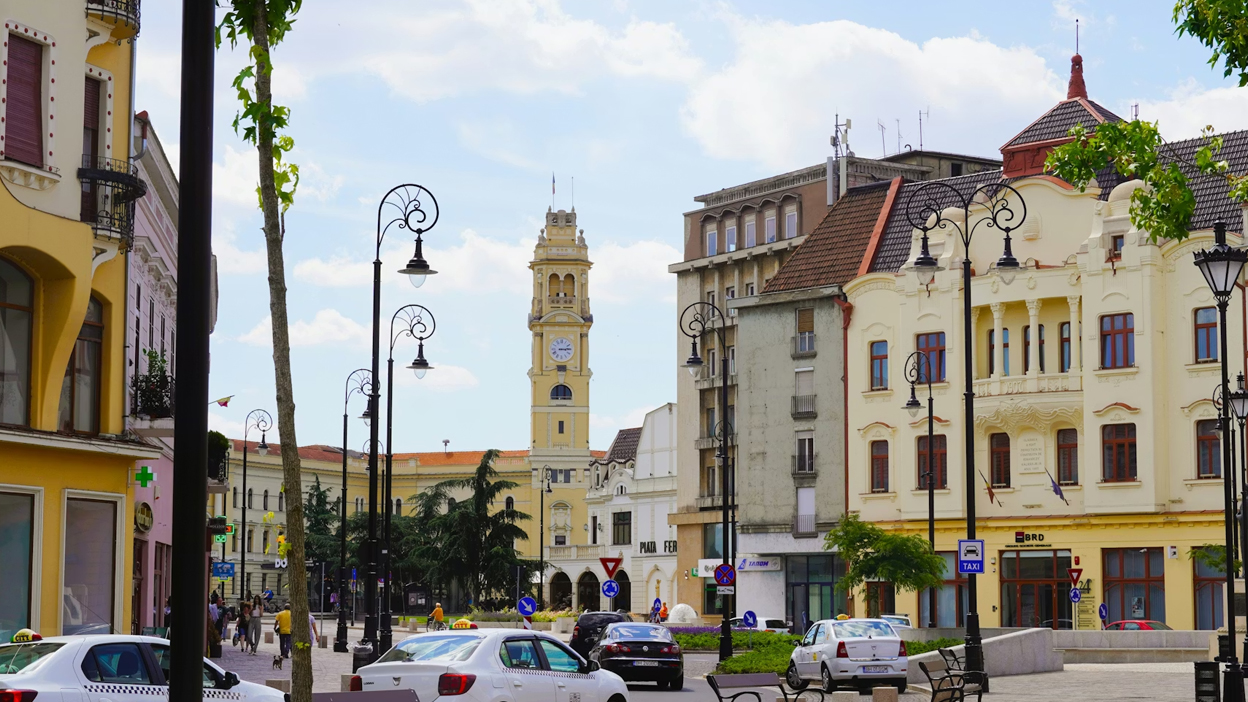
Understanding the character of Romania’s key regions helps tailor your travel plans.
Capital: Bucharest
The capital is a vibrant, cosmopolitan city blending the past and present. It offers a dynamic cultural scene and an energetic nightlife that contrasts with peaceful parks and historic quarters.
Historic Regions: Transylvania and Maramureș
These areas are rich in folklore and tradition, with well-preserved culture visible in festivals, crafts, and architecture. They evoke medieval times and tales of legends and myths.
Rural Areas
Peaceful, scenic, and culturally authentic, rural Romania provides a deeper connection to traditional ways of life. Villages here are slow-paced and unspoiled by mass tourism.
Mountain Ranges: The Carpathians
Known as an outdoor adventure hub, this mountainous region appeals to hikers, skiers, and nature lovers with breathtaking terrain and fresh air.
Coastline
The Black Sea coast offers a laid-back seaside holiday vibe with sandy beaches, fishing villages, and resort towns perfect for relaxation.
Each region boasts its own unique atmosphere and cultural landmarks, enriching your Romania travel guide experience.
Romania Travel Checklist
Prepare for your trip with these practical items tailored to Romania’s conditions.
- Currency: Carry Romanian Leu (RON) in cash and bring cards; cash is essential in many places.
- Footwear: Durable, comfortable shoes for walking uneven streets and rural trails.
- Offline Maps & Apps: Download maps and translation apps for areas with limited connectivity.
- Clothing: Pack layered clothing to handle weather changes, especially if visiting mountains and cities.
- SIM Card/Data Plan: Purchase a local SIM for reliable mobile internet access.
- Travel Documents: Passport, appropriate visa if required, and travel insurance are essential.
- Health Precautions: Check recommended vaccinations and carry basic medicines, particularly if visiting rural areas.
Packing thoughtfully to suit Romania’s varied landscapes and infrastructure will keep you comfortable throughout your trip.
Conclusion
Romania is a rewarding destination that combines rich traditions, stunning natural beauty, and vibrant culture away from the usual European tourist routes. With its diverse regions—from bustling Bucharest to serene mountains and peaceful countryside—it offers travelers countless unique experiences to embrace.
By following this Romania travel guide and travel tips Romania provides, you can explore the best places Romania holds with confidence and respect for local customs. Use this guide as a foundation and delve deeper into specialized resources about cities or themes for a customized adventure.
Start planning your Romania itinerary today and prepare to uncover the charm of one of Europe’s most authentic and captivating countries.