

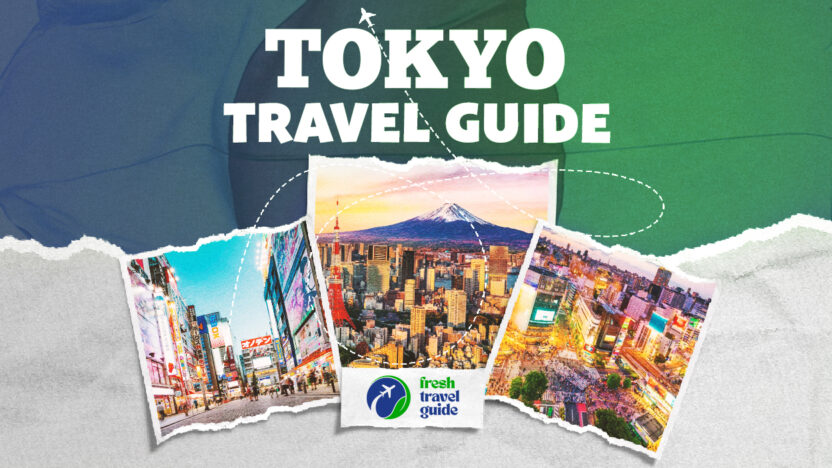
Tokyo is a city like no other. It’s a dazzling fusion of ultra-modern innovation and deep-rooted traditional culture. Imagine neon-lit skyscrapers towering over serene temples, where cutting-edge technology coexists with centuries-old rituals. This vibrant, fast-paced metropolis offers an electrifying atmosphere that thrills tech lovers, culture enthusiasts, and curious travelers alike.
This comprehensive Tokyo travel guide will walk you through the best places Tokyo has to offer, things to do in Tokyo, essential travel tips, and everything you need to know for an unforgettable experience. Whether it’s your first time visiting or you’re planning a return trip, this guide is packed with detailed information to help you navigate Tokyo’s vast urban landscape smoothly.
Best Places to Visit in Tokyo
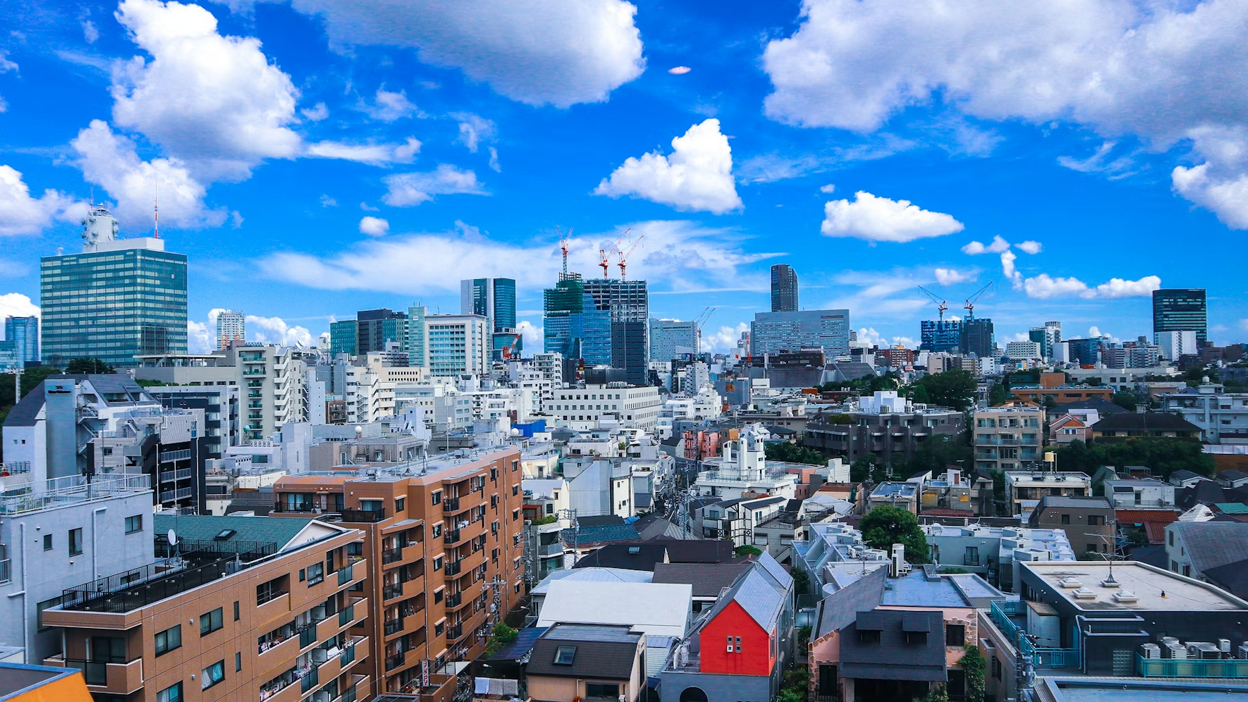
Tokyo’s neighborhoods each tell a unique story, showcasing the city’s diversity and dynamism. This section highlights some of the best places Tokyo offers, perfect for first-time visitors seeking a rich experience.
Shibuya: The Heart of Youthful Energy and Street Fashion
Shibuya is famous worldwide for the iconic Shibuya Scramble Crossing, where hundreds of people cross from all directions at once—a perfect symbol of Tokyo’s bustling urban culture. This district pulses with youthful energy, vibrant nightlife, and cutting-edge street fashion, making it a must-visit destination.
In Shibuya, you’ll find trendy boutiques, music venues, and countless eateries that keep the streets lively from morning until late at night. Experiencing the electric atmosphere of Shibuya offers a glimpse into Tokyo’s modern city life unlike anywhere else.
Asakusa: A Window into Tokyo’s Cultural Heritage
For those interested in Tokyo’s rich history and traditional vibes, Asakusa is an essential stop. The neighborhood is home to Sensō-ji Temple, Tokyo’s oldest Buddhist temple and a landmark steeped in spiritual significance.
Nakamise-dori, the lively street leading to Sensō-ji, offers colorful shops selling traditional snacks, souvenirs, and crafts. Asakusa perfectly captures the cultural heart of Tokyo, giving visitors a chance to step back in time while enjoying friendly local hospitality.
Shinjuku: Where Skyscrapers Meet Nature
Shinjuku embodies variety. Towering skyscrapers house bustling business centers, while the district’s nightlife scene buzzes with bars, karaoke, and entertainment venues. Yet, within this urban jungle lies Shinjuku Gyoen National Garden, a peaceful oasis ideal for rest and reflection.
This blending of contrasts makes Shinjuku attractive to a wide range of visitors. Whether you want panoramic city views from towering observation decks or a quiet moment among nature, Shinjuku delivers both.
Ginza: Upscale Shopping and Sophisticated Dining
Ginza is Tokyo’s premier luxury shopping district. Glittering department stores, designer boutiques, and gourmet restaurants line the streets. The district offers a sophisticated atmosphere with a unique blend of modern architecture and traditional tea houses.
Visiting Ginza means indulging in high-end culinary experiences, browsing exclusive shops, and admiring the architectural contrast between the sleek buildings and preserved cultural spots.
Iconic Landmarks to Enrich Your Visit
Beyond these neighborhoods, don’t miss must-see landmarks like:
- Tokyo Tower: An enduring symbol of the city offering stunning panoramic views.
- Meiji Shrine: A tranquil Shinto site nestled in a forested area, providing spiritual calm.
- Tsukiji Outer Market: Famous for fresh seafood stalls and authentic local cuisine.
These highlights anchor the best places Tokyo has to explore and enrich any itinerary with diverse and memorable experiences.
Things to Know Before Visiting Tokyo
Understanding essential cultural nuances and city facts is vital for making your trip smooth and enjoyable. This section provides crucial Tokyo travel tips and knowledge for first-time visitors.
Japanese Etiquette: Respect and Politeness
Japanese culture places great importance on respect. Common greetings involve bowing rather than handshakes. Respecting silence and personal space on public transport is mandatory; conversations are quiet, and phone calls on trains are frowned upon.
Punctuality is taken seriously. Trains and appointments run on a precise schedule, so arriving on time is expected and appreciated.
Tokyo’s City Layout and Transport
Tokyo is a sprawling metropolis made up of many distinct neighborhoods connected by one of the world’s most efficient metro systems. The city’s vastness means that traveling from one area to another might require switching lines and some walking.
While major trains and stations feature English signage and pictograms, English proficiency varies outside tourist spots. Learning a few basic Japanese phrases can greatly help navigation and interactions.
Payment Methods: Cash Still Rules
Despite Tokyo’s high-tech reputation, cash remains king in many smaller shops, local eateries, and markets. Credit and debit cards are widely accepted in larger stores and popular tourist areas, but carrying some yen in cash is wise.
This knowledge is key for a seamless experience, especially when you explore off-the-beaten-path neighborhoods.
Tips for Visiting Tokyo
Maximize your Tokyo visit with these practical Tokyo travel tips designed to improve your day-to-day experience and help you avoid common hassles.
Avoid Peak Crowds with Smart Timing
Popular areas like Shibuya get extremely crowded during rush hours. Visit early morning to enjoy a calmer Shibuya crossing experience, or head to Ginza at night when the luxury streets glow with lights and fewer people roam.
Tokyo’s crowd management is highly efficient, so even busy spots feel well-organized and safe.
Embrace Local Customs
Expect to remove your shoes at specific indoor venues, especially traditional restaurants and temples. Public spaces maintain a quiet atmosphere—loud conversations or phone calls can seem out of place.
Stay Flexible and Pace Yourself
Tokyo’s enormous size makes it tempting to pack every moment with activity. However, the best experience comes with pacing yourself. Allow time for history, food, shopping, and rest to avoid exhaustion.
Spontaneous detours often lead to hidden gems, so keep your itinerary adaptable.
Travel and Cultural Mistakes to Avoid in Tokyo
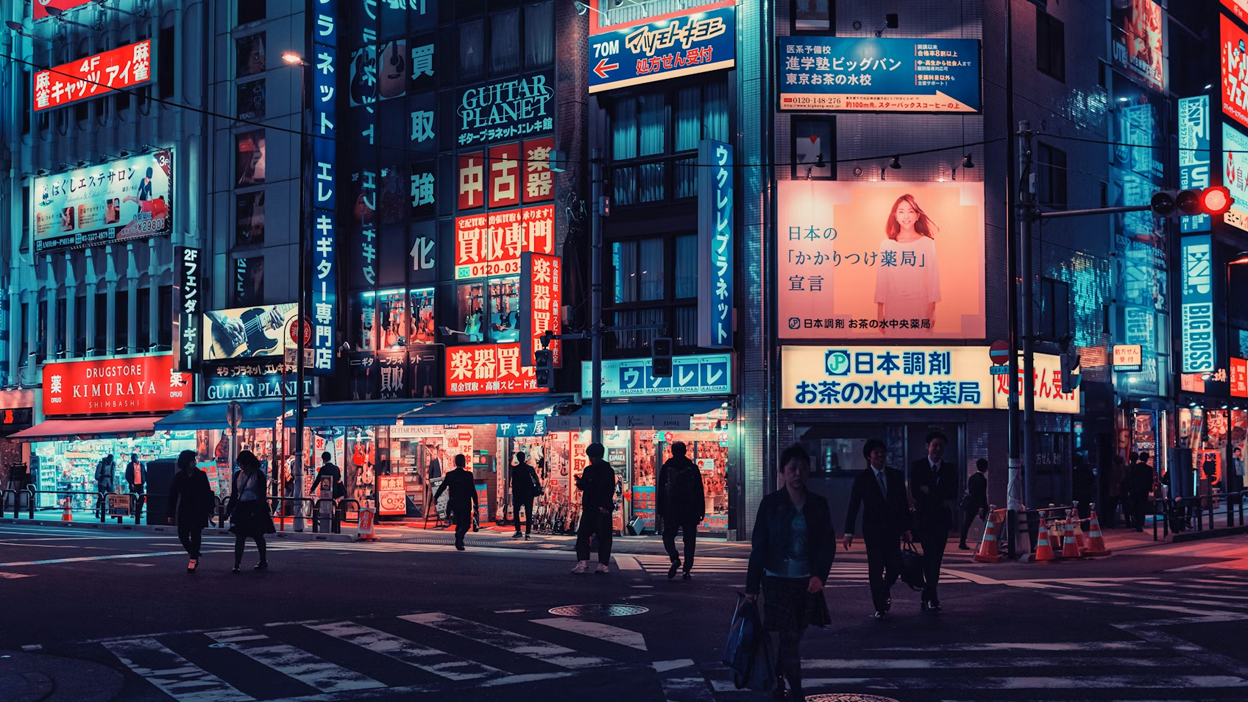
Avoid these common pitfalls to show respect and save yourself frustration during your visit to Tokyo.
Queue Etiquette is Sacred
Always stand patiently in line without cutting in, whether at train stations, shops, or food stalls. Japanese culture respects orderly queues, and violating this can cause offense.
Keep Noise Levels Down on Public Transport
Talking loudly or using phones on trains disrupts the quiet orderliness of Tokyo transit. Speak softly or wait until you exit to make calls.
Don’t Eat While Walking
Eating on the street is generally frowned upon. It’s polite to finish your food before moving or eat in designated areas.
Respect Language Differences
Do not assume everyone understands English. Using simple greetings and polite phrases shows respect and creates better interactions.
Avoid Overloading Your Daily Itinerary
Tokyo’s size means that traveling between distant neighborhoods can take time. Plan realistically and avoid cramming too many far-flung places in one day.
Is Tokyo Safe? Common Scams to Avoid
Tokyo ranks among the safest major cities worldwide. Crime rates are very low, and daily life feels secure for locals and tourists alike. However, some precautions remain important.
Watch Out for Taxi Overcharges
Late-night taxi rides can occasionally be overpriced for tourists unfamiliar with fare systems. Confirm rates beforehand, or use app-based ride services to prevent surprises.
Defensive Shopping in Tourist Areas
Some busy shopping or entertainment districts may have aggressive sales tactics. Politely decline offers and remain aware to avoid pressure.
Stay Alert and Verify Prices
In crowded areas, keep your belongings secure, and always check prices before purchasing. These precautions help maintain a trouble-free trip.
Getting Around Tokyo
Understanding Tokyo’s transit system is fundamental to making the most of your visit. Here’s the lowdown on navigating this huge city.
Extensive Metro and JR Lines
Tokyo’s subway and JR train lines cover the entire city and beyond, connecting all major neighborhoods efficiently and punctually. Multiple lines make transferring simple once you learn the system.
Walkability and Realistic Expectations
Central areas like Shinjuku and Ginza are highly walkable, but distances between stations and neighborhoods may require additional walking. Comfortable shoes and a good map app help.
Taxis and Ride-Hailing
Taxis are plentiful but relatively expensive, best reserved for late-night travel or when carrying heavy luggage. Ride-hailing apps offer convenient alternatives and transparent pricing.
Use Rechargeable Prepaid Cards
Get a Suica or Pasmo card for easy, cashless travel across trains, subways, and buses. These cards speed up boarding and reduce hassle when making transfers.
Best Time to Visit Tokyo
When to plan your trip depends on your interests and weather preferences. Here are the highlights of the best seasons to visit.
Spring (March–April): Famous Cherry Blossoms
Spring is iconic for cherry blossom viewing (hanami), transforming parks and riverbanks into pink wonderlands. Expect crowds but unforgettable beauty.
Fall (September–November): Comfortable Weather and Autumn Colors
Fall offers crisp air, vivid autumn foliage, and fewer tourists. Many find this the most pleasant season for sightseeing.
Summer (June–August): Festivals with Caution
Summer means hot, humid weather with spectacular matsuri (festivals) and fireworks. Prepare for occasional typhoons and intense heat.
Winter (December–February): Quiet and Illuminated
Winter brings cold weather but also festive illuminations, seasonal food specialties, and generally peaceful tourist sites.
Season choice affects your experience greatly and is a key part of any good Tokyo travel guide.
Visiting Tokyo by Season
Dive deeper into what each season offers, giving you more detail to plan your ideal trip.
Spring: Cherry Blossoms and Hanami Parties
Cherry trees bloom from late March into April. Tokyo’s parks like Ueno and Shinjuku Gyoen fill with locals and visitors enjoying outdoor picnics. The experience is lively yet respectful to nature.
Summer: Festivals and Fireworks
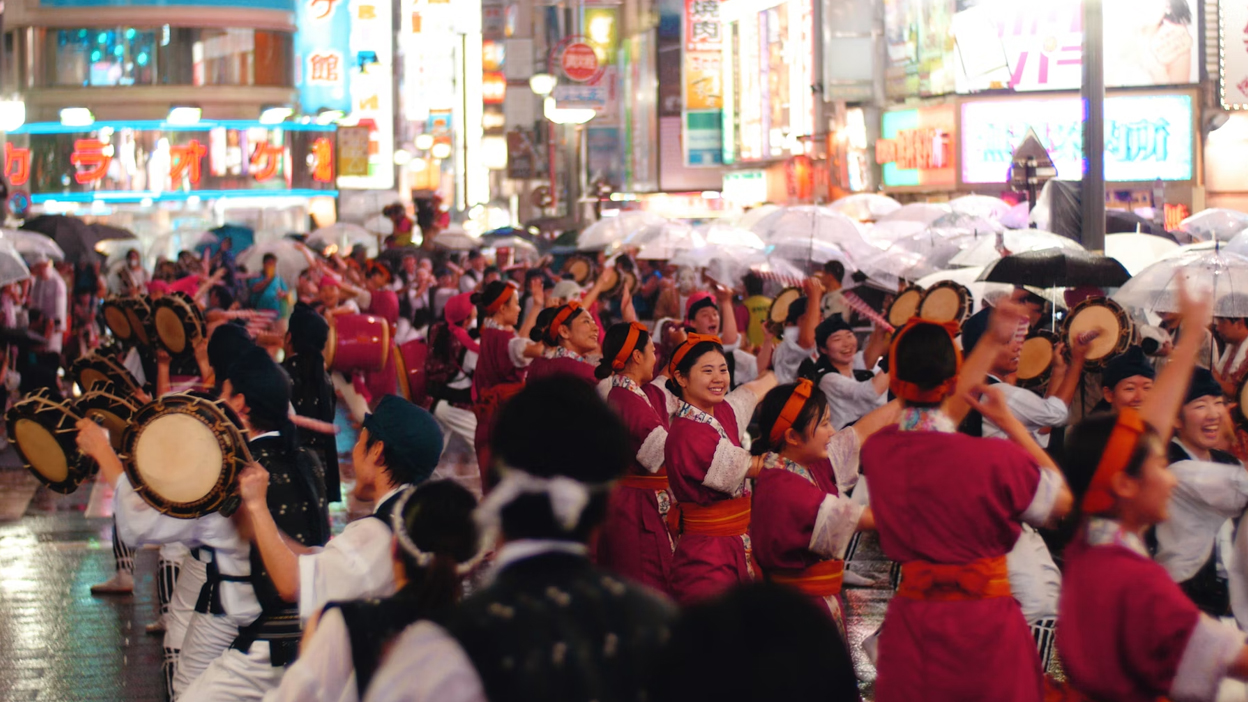
Summer festivals bring vibrant street parades, traditional dress, and fireworks displays (hanabi). Be ready for heat and humidity. Stay hydrated and schedule indoor breaks.
Fall: Autumn Foliage and Comfortable Sightseeing
Fall’s clear skies and crisp temperatures highlight Tokyo’s parks and temples in red, yellow, and orange leaves. Ideal for photography and outdoor walks.
Winter: Illuminations and Seasonal Delights
Winter sees spectacular light displays across Ginza, Roppongi, and other districts. Seasonal markets offer warm treats, making it a cozy time despite the chill.
Visiting Tokyo with Kids or Senior Travelers
Tokyo is remarkably family-friendly and accessible, but thoughtful planning enhances comfort and enjoyment.
Accessibility Considerations
Most public transport stations have elevators and ramps, but some require navigating stairs. Walking distances can be long; plan rest stops accordingly.
Clean, Safe Environment
Tokyo’s cleanliness and safety make it ideal for kids and seniors. Parks like Ueno and quiet neighborhoods provide a gentle pace away from urban noise.
Planning Slower-Paced Itineraries
Include plenty of breaks, use taxis when preferred, and focus on nearby attractions to reduce fatigue. This approach ensures all ages find pleasure in the visit.
What to Expect in Tokyo (Pros and Cons)
Understanding the city’s strengths and challenges helps set realistic expectations for your trip.
Pros
- Diverse, world-class food—from street vendors to Michelin-starred restaurants.
- Ultra-modern technology integrated everywhere.
- Rich cultural heritage blends tradition with innovation.
- Impeccable cleanliness and low crime rates.
- Efficient and reliable public transportation.
Cons
- Large crowds, especially during peak seasons like cherry blossom time.
- Complex subway system can overwhelm first-time users.
- Higher cost of accommodation and dining compared to some other Asian cities.
- Sensory overload from neon lights, noise, and fast pace may fatigue some visitors.
Reflecting on these elements helps determine if Tokyo’s dynamic energy aligns with your travel style.
Conclusion
Tokyo is an electrifying destination that perfectly balances the old and new, making it ideal for culture lovers, tech enthusiasts, foodies, and adventure seekers. This Tokyo travel guide has highlighted the best places Tokyo offers, practical things to do in Tokyo, and essential Tokyo travel tips for a smooth and enriching trip.
For more detailed itineraries and accommodation recommendations, explore further materials tailored to your specific interests. Tokyo awaits with its unparalleled fusion of tradition and modernity—ready to captivate and inspire your travel dreams.
Start planning your Tokyo adventure today and experience this extraordinary city for yourself!