

Bolivia is a country of breathtaking contrasts. Towering Andes mountains, the surreal expanses of the Salar de Uyuni salt flats, and the dense, vibrant Amazon rainforest are only a few of the natural wonders that make it extraordinary. Alongside these landscapes thrive vibrant indigenous cultures, with traditions and communities that remain deeply alive today. This Bolivia travel guide is designed for adventurous first-time visitors looking to discover unique and authentic experiences, often off the beaten path.
Bolivia can surprise and challenge travelers with its dramatic geography and rich cultural tapestry. This guide will help you prepare by covering essential things to do in Bolivia, travel tips Bolivia travelers must know, and how to get the most out of your visit.
Best Places to Visit in Bolivia for Diverse Experiences
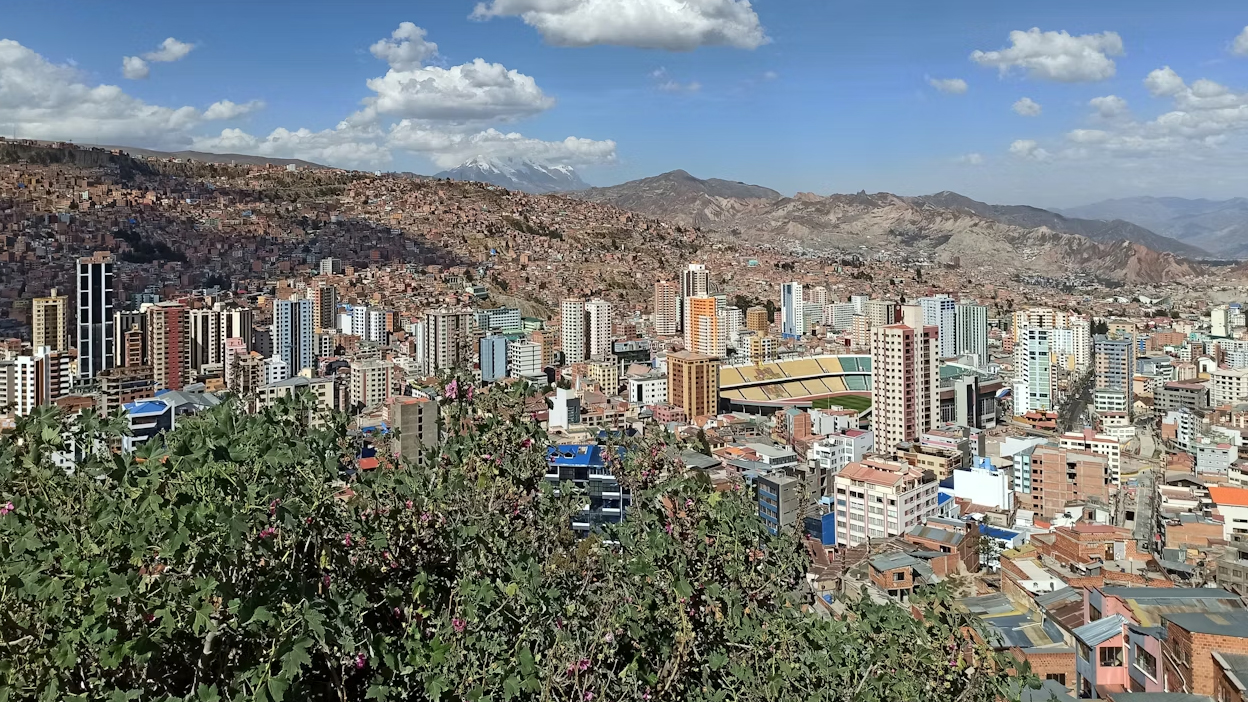
Bolivia’s diversity is one of its greatest appeals. From bustling cities to remote wilderness, here are the best places Bolivia offers, grouped by their atmosphere and vibe.
High-Altitude Cities: La Paz and Potosí
La Paz, sitting at roughly 3,650 meters above sea level, is one of the highest capital cities in the world. It’s a bustling metropolis where colonial architecture blends with indigenous heritage. You’ll find vibrant markets like Mercado Rodríguez, artisan stalls, and a cityscape surrounded by snow-capped peaks. Nearby Cerro Rico in Potosí tells the story of Bolivia’s colonial wealth and stark colonial past. Potosí’s streets carry a mix of mining history and Andean culture.
Both cities are cultural hubs, perfect for acclimatizing and absorbing rich history while exploring museums, plazas, and cafes.
Salar de Uyuni Salt Flats: A Surreal Landscape
The Salar de Uyuni is the largest salt flat on Earth and a must-see. It feels surreal—an endless white expanse that reflects the sky like a giant mirror during the rainy season. Photographers and nature lovers flock here for its otherworldly beauty. Tours usually include visits to Incahuasi Island, dotted with giant cacti, and nearby colorful lagoons inhabited by flamingos. This is one of the most unique natural wonders and a highlight in any Bolivia travel guide.
Amazon Basin: Wildlife and Lush Rainforest
The Bolivian Amazon, particularly near Rurrenabaque, offers dense jungle, rich biodiversity, and an immersive natural experience. This region is ideal for travelers interested in wildlife spotting, birdwatching, and jungle trekking. Guided tours navigate rivers and forest trails, revealing animals such as monkeys, caimans, and countless exotic bird species.
Cultural Heartlands: Tarabuco and Traditional Festivals
Tarabuco is famous for its indigenous markets and festivals that offer visitors a chance to witness traditional costumes, dances, and customs. Indigenous communities here maintain customs that have passed down for centuries. Visiting during festivals promises a colorful and immersive experience into Bolivia’s cultural heartlands.
Remote Highland Villages: Authentic Cultural Immersion
For peaceful and genuine encounters with Bolivian culture, remote villages like Isla del Sol on Lake Titicaca provide unmatched authenticity. Here, alongside tranquil natural beauty, visitors encounter local agricultural communities, ancient ruins, and deep-rooted indigenous ways of life.
These regions collectively show the range of things to do in Bolivia—from urban sightseeing to nature exploration and cultural immersion.
Things to Know Before Visiting Bolivia
Preparation is vital to a smooth trip. Here are important travel tips Bolivia visitors should grasp before embarking.
Language: Spanish and Indigenous Tongues
While Spanish is the official language throughout Bolivia, Aymara and Quechua are widely spoken, especially outside cities. Learning basic greetings or phrases in these indigenous languages enriches interactions and shows respect to local communities. For example, “Jach’a qamaña” means “good health” in Aymara.
Currency: The Boliviano (BOB)
Cash is king in Bolivia. The local currency is the Boliviano (BOB). ATMs and card acceptance are common in urban centers but less so in rural areas, making it essential to carry sufficient cash, especially small denominations. Always exchange money at official houses or banks to avoid counterfeit notes.
Tipping Culture
Tipping is informal but appreciated. Small gestures—like leaving change in restaurants or tipping guides a few Bolivianos—are a polite way to show gratitude for service without pressure.
Internet and SIM Cards
Mobile coverage can be patchy outside cities. Purchasing a Bolivian SIM card in La Paz or Santa Cruz offers better data rates but expect limited or no connection in remote areas. Download offline maps and guides before traveling to hard-to-reach spots.
These foundational travel tips Bolivia visitors should know help avoid surprises and enhance your experience.
Cultural Customs Tourists Should Know in Bolivia
Understanding and respecting local customs helps foster positive connections.
Respecting Indigenous Traditions and Elders
Bolivia’s identity is deeply tied to indigenous values. Respect toward elders and traditional practices is expected. Showing interest in local customs with humility can open many doors.
Greeting Norms
Handshakes are common, but polite nods or slight bows sometimes replace physical contact in rural areas. Personal space preferences may vary from Western norms, so observe and adapt.
Dress Modestly
Outside of major cities, dressing modestly and avoiding flashy attire signals cultural respect and helps travelers blend in more seamlessly.
Avoid Cultural Mistakes
Being too aggressive in bargaining or ignoring etiquette at markets and festivals can offend locals. Approach interactions with patience and goodwill.
These cultural insights are key travel tips Bolivia visitors shouldn’t overlook.
Common Scams Tourists Should Avoid in Bolivia
Awareness safeguards your money and peace of mind.
Currency Confusion Scams
Always check Boliviano notes carefully. Stay aware of exchange rates and avoid exchanging cash with street dealers offering suspicious rates to prevent losing money.
Overpriced Taxi Fares
Airport and transit hubs can have taxi drivers charging inflated fares. Insist on meters where available or agree on a fare before entering the vehicle.
Fake Tour Guides
Beware of unlicensed tour operators offering deals that seem too good to be true. Use registered guides recommended by hotels or trusted sources.
General Safety Advice
Trust your intuition, stay alert, and rely on well-known services to avoid common pitfalls.
Following these travel tips Bolivia visitors keep scams at bay.
Travel Mistakes to Avoid in Bolivia
Preparation avoids common errors that can disrupt your trip.
Altitude Acclimatization
Bolivia’s high elevations can cause altitude sickness. Spend initial days acclimating in cities like La Paz or Sucre before hiking or strenuous activity. Symptoms include headaches, nausea, and dizziness.
Realistic Travel Time Planning
Roads can be rough or unpaved, resulting in longer travel times than expected. Plan buffer days to accommodate delays.
Carry Enough Cash
Remote regions often lack ATMs or card facilities, so prepare with enough cash for transport, food, and incidentals.
Pack Layered Clothing
Weather varies widely—warm days can turn into freezing nights, especially at high altitude. Layering clothing lets you adjust to changing conditions.
Respect Local Customs
Avoid disrespect that may lead to unfriendly encounters. Learn and honor local etiquette.
Incorporating these essential travel tips Bolivia ensures a smoother journey.
Best Time to Visit Bolivia
Knowing when to travel maximizes your experience.
Seasons and Weather: Bolivia has two main seasons
- Dry season: May to October, characterized by clear skies, less rain, and better road conditions.
- Wet season: November to April, marked by frequent showers, making some routes more difficult.
Regional Differences: The Amazon basin remains humid year-round. Highland areas experience cold nights especially during the dry season.
Festivals and Crowds: Events like the Oruro Carnival (February/March) provide cultural highlights but attract crowds and higher prices.
For most travelers, the dry season is ideal, balancing weather and accessibility.
A Simple Bolivia Itinerary for First-Time Visitors
This suggested 10- to 12-day itinerary balances acclimatization, culture, and nature.
Days 1–3: City Exploration and Acclimatization
Start in La Paz or Sucre. Explore markets, museums, and local cuisine at a relaxed pace to adjust to altitude.
Days 4–7: Cultural Heartlands and Traditions
Visit Tarabuco or Potosí to experience indigenous markets, crafts, and festivals. Engage with local communities and traditional lifestyles.
Days 8–11: Nature and Adventure
Choose your highlight:
- Salar de Uyuni expedition for surreal landscapes.
- Lake Titicaca and Isla del Sol for highland tranquility and archaeological sites.
- Amazon basin excursions near Rurrenabaque for jungle treks.
Optional Extension: Remote Highland Villages or Jungle Treks
Add more days to immerse deeper if time allows.
Plan travel logistics carefully and build in rest days for acclimatization. This itinerary covers top things to do in Bolivia for an enriching experience.
Major Cities and Regions in Bolivia: A Quick Overview
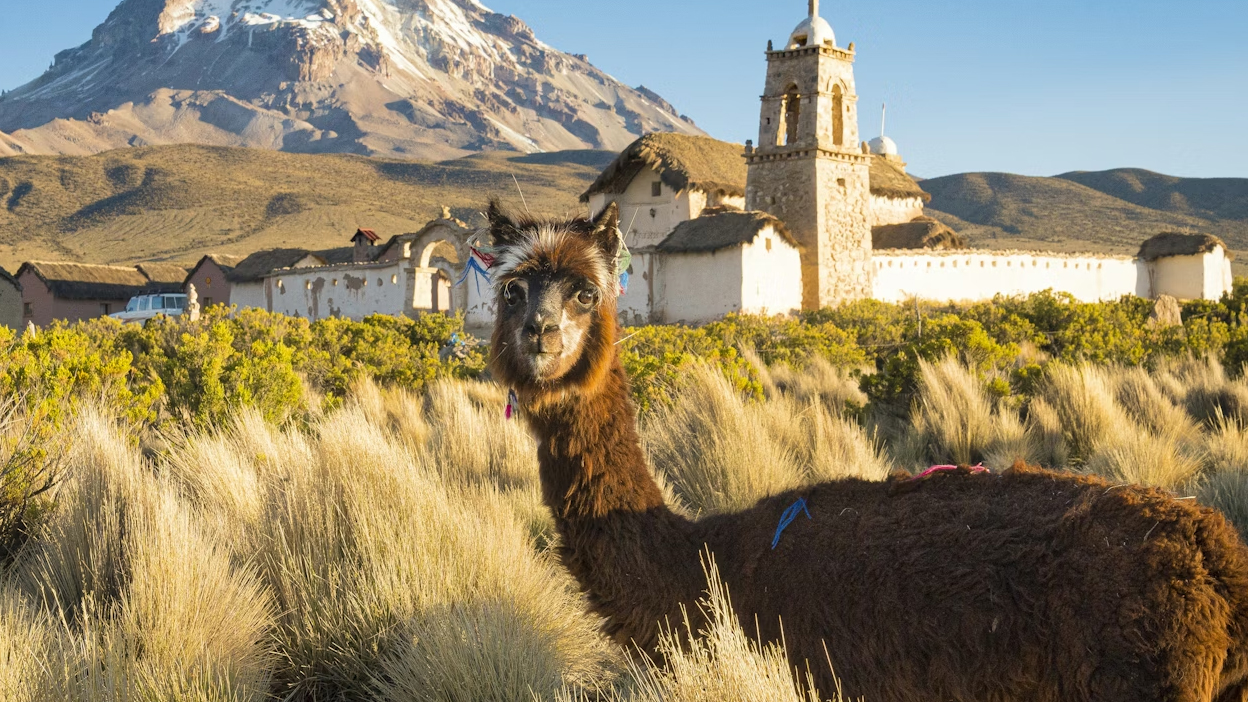
Here’s a snapshot to help you choose destinations.
Capital and Largest Cities: La Paz and Sucre
La Paz is a lively blend of indigenous culture and modern life, with dynamic markets and Andean views. Sucre, Bolivia’s constitutional capital, offers colonial charm and milder altitude.
Cultural Regions: Potosí and Tarabuco
Known for mining history, traditional crafts, and colorful festivals, these areas reveal Bolivia’s indigenous roots.
Nature-Rich Regions: Amazon Basin and Salar de Uyuni
Experience biodiversity in the rainforest or marvel at the salt flats’ unique landscapes.
Highland Towns: Isla del Sol and Similar Villages
Smaller towns provide authentic, quiet atmospheres with historical and natural beauty.
This quick guide helps pinpoint best places Bolivia offers for different interests.
Bolivia Travel Checklist: Essentials to Pack and Prepare
Packing right ensures your comfort and readiness.
- Boliviano cash, especially small notes for markets and rural trips.
- Layered clothing including warm jackets for cold nights.
- Basic Spanish phrases and knowledge of indigenous customs.
- Portable charger and offline maps due to unreliable connectivity.
- Altitude remedies like coca tea or medication (acetazolamide).
- Comprehensive travel insurance covering remote and adventure activities.
Preparation with this checklist supports a hassle-free trip per key travel tips Bolivia visitors value.
Conclusion
Bolivia’s extraordinary mixture of geography, culture, and vibrant peoples makes it a land like no other. This Bolivia travel guide aimed to prepare you to meet its challenges and reap its rewards.
With thoughtful planning, careful acclimatization, and respectful engagement, your Bolivia adventure will be unforgettable. Use this comprehensive guide as your foundation, then explore further through city or regional research.
Bolivia is ready to surprise you. Now the journey begins — go discover it with open eyes and an open heart.
Safe travels!