

Venezuela is a country of extraordinary diversity. From tropical beaches with crystal-clear waters to towering mountains capped with cool air, vast plains stretching into the horizon, and bustling metropolitan centers full of life, Venezuela offers travel experiences unlike any other. This Venezuela travel guide is designed to help you uncover the authentic spirit of this remarkable country. You will learn about the best places Venezuela has to offer, discover fascinating things to do in Venezuela, and get essential travel tips Venezuela to prepare for your adventure.
While Venezuela shines with breathtaking natural beauty and a rich cultural heritage, it also presents practical travel considerations related to safety, infrastructure, and currency challenges. This complete guide addresses all these aspects so you can explore confidently and meaningfully.
Best Places to Visit in Venezuela
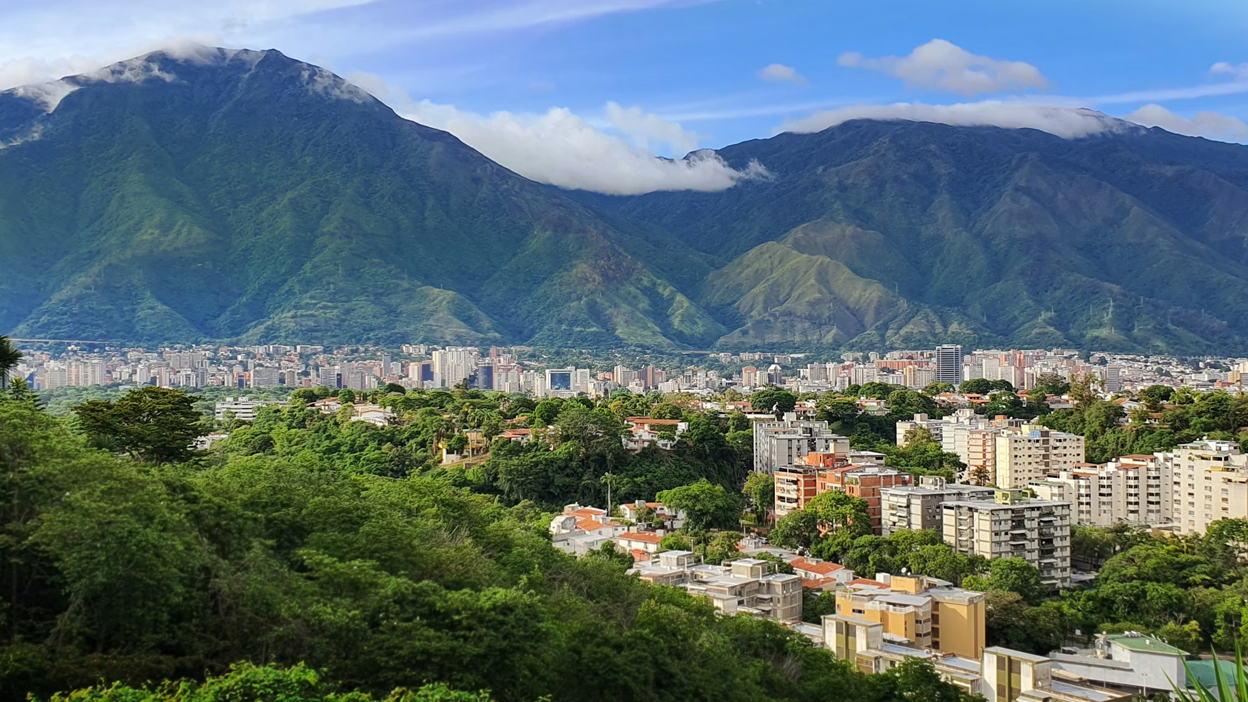
Venezuela offers a fascinating variety of regions, each with its own character, climate, and cultural flavor. Understanding the atmosphere of these areas helps you plan your trip to match your interests.
Metropolitan Centers with Lively Culture and Nightlife
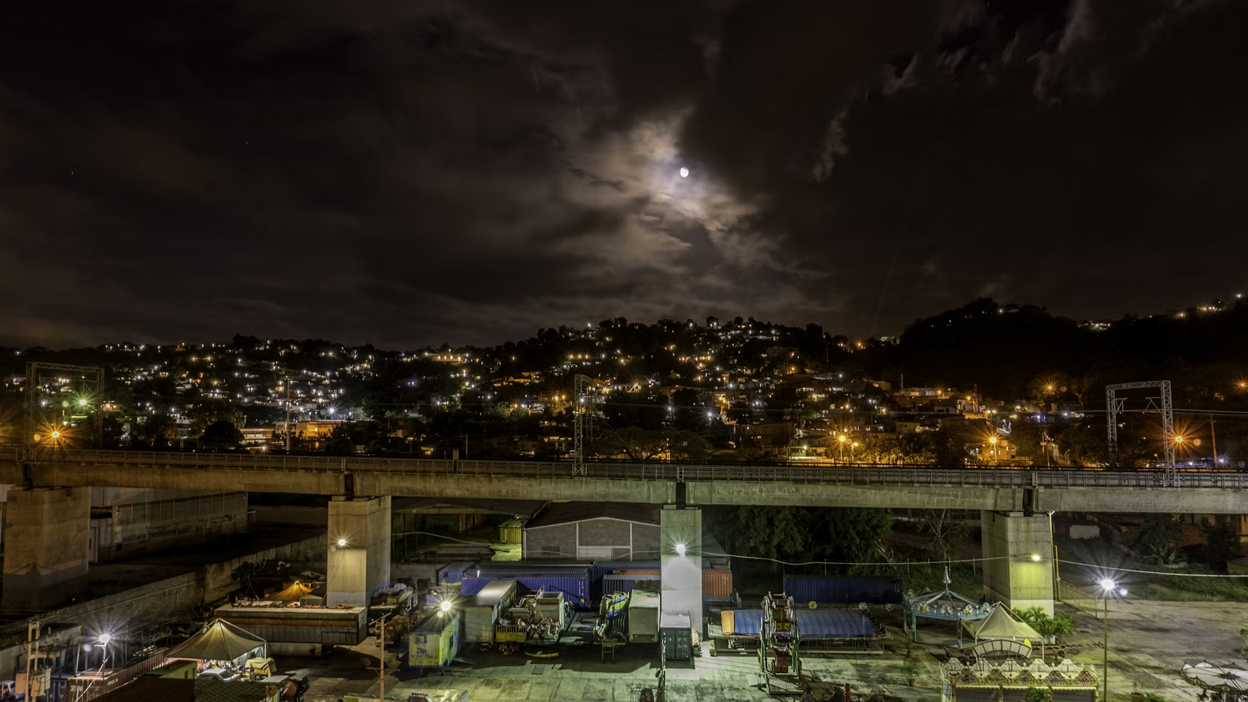
Urban Venezuela, particularly in cities like Caracas, buzzes with dynamic energy. These metropolitan hubs blend modern amenities and traditional culture, shaping a unique vibe. Expect vibrant street art, bustling markets, theaters, and lively nightlife scenes where salsa and other rhythmic music come to life. The cityscape is a mix of historic neighborhoods and contemporary architecture, bustling with young locals and outgoing visitors alike.
Coastal Regions with Laid-Back, Rustic Charm
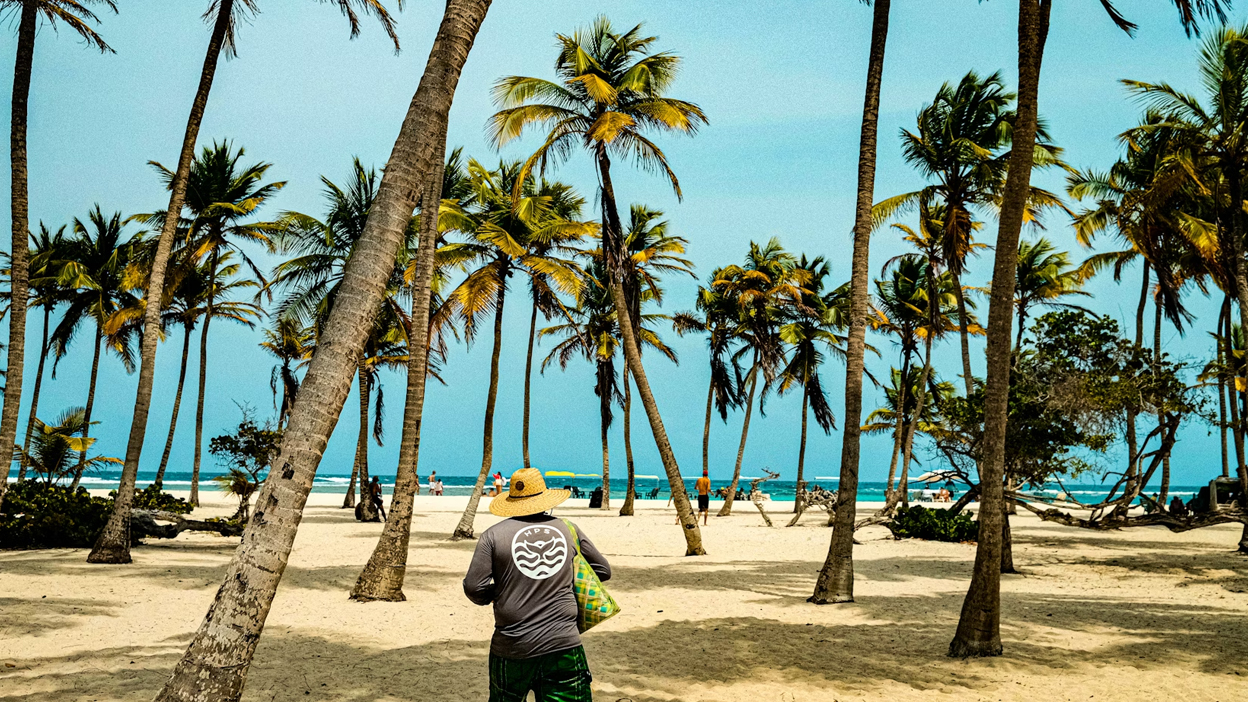
Venezuela’s coastline is lined with tropical beaches and quiet fishing villages. These areas offer a relaxed atmosphere, perfect for escaping city stress. Picture palm-lined shores, rustic wooden huts, and the soothing sound of ocean waves. The coastal vibe encourages outdoor pursuits such as beachcombing, snorkeling in coral reefs, or simply soaking in the sun. Here, the pace of life is softer, shaped by warm tropical breezes and local traditions.
Mountainous Areas with Cooler Climates and Adventure
The Andes and other mountain ranges create high-altitude zones with striking landscapes. These regions are cooler than the coast and provide excellent opportunities for hiking, birdwatching, and adventures like horseback riding in pine-scented forests. The mountain atmosphere is peaceful, often marked by small towns where local farmers tend coffee plantations and produce artisanal cheeses. The crisp air and dramatic views contrast sharply with Venezuela’s tropical lowlands.
Tropical Rainforest and Plains Emphasizing Biodiversity
In eastern and southern Venezuela, vast rainforests and the expansive Llanos plains offer immersive nature experiences. This environment teems with diverse wildlife—from howler monkeys and toucans in the jungle canopy to capybaras and caimans in the marshy grasslands. The natural setting here is raw and pristine. Travelers seeking eco-tourism and a deeper connection with nature will find this region rewarding. The temperature here remains warm and humid, with distinct wet and dry seasons.
Each of these regions reflects Venezuela’s extraordinary diversity and cultural richness. Knowing where to visit is the first step to enjoying your trip fully.
Things to Know Before Visiting Venezuela
Before you go, there are important practical details and travel tips Venezuela travelers must understand to navigate this beautiful but complex country smoothly.
Language
Spanish is the official language in Venezuela and is spoken throughout the country. While the Spanish here has distinct regional accents and slang, basic conversational Spanish will get you far. In remote areas, some indigenous languages are also used, but these are less commonly necessary for tourists. Familiarizing yourself with common phrases like “hola” (hello), “por favor” (please), and “gracias” (thank you) will be appreciated and useful.
Currency
The Venezuelan currency is the bolívar (VES). Due to ongoing inflation, the bolívar’s value fluctuates rapidly. Many businesses and locals prefer US dollars in cash, and it is common for travelers to carry some USD for larger transactions or exchange at official points. Avoid exchanging money on the street as fake bills are a known scam. Always check official exchange rates at banks or authorized currency exchange offices to avoid losing money.
Tipping Culture
Tipping is customary in Venezuela but modest compared to some countries. In restaurants, a 10% tip is standard and usually included in the bill. If not included, leaving a 10% tip is polite. For taxis, rounding up fares or a small tip is appreciated. Hotel staff and guides are typically tipped based on the quality of service.
Connectivity
Internet access varies widely. Major cities provide reliable mobile and Wi-Fi connections, but rural or remote areas may have limited service. Purchasing a local SIM card helps reduce roaming costs and improves data access. Popular Venezuelan carriers offer prepaid plans, though signal strength is best in the urban centers. Downloading offline maps and translation apps before heading to remote zones is highly recommended.
General Travel Tips
Public transport within cities is available through buses and shared taxis but can be unpredictable. Renting a car or arranging private transfers often offers more comfort and safety. Always carry essentials like bottled water, sunscreen, insect repellent, and a flashlight if traveling to less developed areas. Safety awareness and planning are key to smooth travel.
Cultural Customs Tourists Should Know
Understanding Venezuelan social customs enriches your interactions and helps you avoid unintentional offenses. These travel tips Venezuela insights prepare visitors to experience genuine hospitality.
Warm Greetings and Personal Space
Venezuelans greet with a handshake or a cheek kiss, often both, reflecting warmth and friendliness. Personal space is closer than in many Western cultures; standing farther away may appear cold. Direct eye contact is appreciated and viewed as a sign of sincerity.
Hospitality and Respect
Guests are treated with warmth and generosity. It’s common for locals to invite visitors to share meals or drinks. Taking shoes off when entering someone’s home shows respect and is appreciated in many households. Time is approached flexibly—expect social events to start later than scheduled, with a relaxed attitude toward punctuality.
Social Norms to Avoid
Interrupting conversations, speaking loudly in quiet spaces, or asking excessively personal questions may offend. Venezuelans enjoy friendly conversations but value tact and respect. Avoid rushing or insisting on strict scheduling, as this clashes with the local rhythm. Recognizing these customs makes cultural exchanges smoother.
Common Scams Tourists Should Avoid in Venezuela
While most Venezuelans are honest, economic difficulties have led to some common scams. Awareness and vigilance can protect you during your visit.
Overcharging in Taxis
Unofficial taxis or those hailed on the street may overcharge tourists. Always use registered taxis recommended by hotels or apps. Agree on fares beforehand or insist on meter use when possible.
Fake Currency Exchanges
Street currency exchanges are risky. Counterfeit bills are common, so only exchange money at banks or authorized casas de cambio (exchange houses). Verify bills carefully.
Distracted Theft
Pickpocketing occurs in crowded marketplaces and busy streets. Keep bags secured and avoid displaying valuables like expensive cameras, jewelry, or phones openly.
Staying Safe
Using official services, exchanging money responsibly, and maintaining awareness without fear helps maintain a positive travel experience. Most visits are trouble-free when these precautions are followed.
Travel Mistakes to Avoid in Venezuela
Many travelers face avoidable hurdles by missing key travel tips Venezuela. Here are common errors and how to prevent them.
Underestimating Travel Times
Road conditions and public transport in Venezuela can cause delays. Travel times between cities may be longer than expected. Always allow buffer time to avoid stress.
Ignoring Weather Patterns
Venezuela’s wet season (May to November) brings heavy rains that can limit outdoor plans, especially in jungle and plains regions. Scheduling your trip during the dry season enhances enjoyment.
Skipping Language Prep
Not learning basic Spanish phrases or cultural norms can lead to awkward situations or misunderstandings. Even simple greetings foster goodwill.
Currency Confusion
Carrying only bolívars or just USD can cause problems, given fluctuating acceptance and value. A mix of currencies in both cash and cards is advisable.
Overlooking Safety Advice
Failing to research local safety conditions can lead to discomfort or danger. Avoid certain neighborhoods at night and follow official travel alerts regularly.
Best Time to Visit Venezuela
Understanding Venezuela’s climate zones is crucial to planning the best time for your trip.
Dry Season (December to April)
Most travelers prefer the dry season when weather is sunny, and outdoor activities like hiking, festivals, and beach visits are ideal. This period offers comfortable temperatures and less rain.
Wet Season (May to November)
Heavy rainfall dominates, especially in rainforests and plains. While lush and green, some roads become impassable, and outdoor excursions may be limited.
Regional Climate Variations
Mountainous areas maintain cooler, more moderate weather year-round. Coastal and jungle regions feel the effects of seasonal rains more intensely.
Ideal Travel Windows
First-time visitors benefit most from December through April or early May, enjoying cultural events and suitable weather for diverse things to do in Venezuela.
A Simple Itinerary for First-Time Visitors
This flexible 7 to 14-day Venezuela itinerary balances urban culture, nature, and relaxation while avoiding a rigid schedule.
Days 1-3: Explore a Major City
Start in a vibrant city to experience cultural landmarks, museums, markets, and nightlife. This foundation helps you appreciate Venezuela’s urban energy and history.
Days 4-7: Relax on the Coast
Head to a coastal or beach region for rest, swimming, snorkeling, or enjoying local seafood. Embrace the laid-back tropical vibe.
Days 8-11: Discover the Mountains or Rainforest
Spend days hiking, birdwatching, or exploring forests. Encounter diverse wildlife and cooler climates, contrasting with earlier destinations.
Optional Days: Cultural Immersion
Add extra time for local festivals, artisanal workshops, or visiting indigenous communities to deepen your understanding of Venezuela’s social fabric.
Transport and Timing
Transfers may take half a day or more due to infrastructure. Plan accordingly, allowing buffer time between regions to reduce travel stress.
Major Cities and Regions in Venezuela
Knowing the country’s key areas helps you choose destinations that match your interests.
Capital and Metropolitan Areas
Dynamic and diverse, cities like Caracas host cultural centers, theaters, universities, and political landmarks. They offer a mix of traditional and modern Venezuelan life.
Coastal Regions
Regions along the Caribbean provide rustic fishing villages, white sandy beaches, and tropical forests. Their slower pace contrasts with cities. Ideal for relaxation and marine activities.
Andean Mountains
Cooler and scenic, this region suits outdoor lovers seeking hiking, mountain villages, and stunning views. Known for distinct cultural customs and artisanal products.
Llanos (Plains)
Known for vast, open savannas with abundant wildlife, ideal for safaris and birdwatching during the dry season.
Amazon Rainforest
One of the most biodiverse areas on earth, home to indigenous cultures and countless unique species. This region is a haven for eco-tourism.
Together, these regions showcase Venezuela’s immense geographical and cultural variety.
Venezuela Travel Checklist
Prepare smartly with this list of essentials tailored for your Venezuela trip.
- Documents: Valid passport, visas if applicable, and photocopies of all important papers.
- Currency: Mix of bolívars and US dollars in cash, plus cards if available.
- Language Help: Spanish phrasebook or language app.
- Clothing: Lightweight, breathable clothes for coast and jungle; warmer layers for mountainous areas.
- Electronics: Power adapters, phone chargers, and portable power bank.
- Health & Safety: Insect repellent, basic medicine kit, sunscreen, and personal hygiene items.
- Safety Gear: Money belt or secure purse, anti-theft backpack.
- Connectivity: Local SIM card or portable Wi-Fi for reliable internet.
Pack light but versatile to accommodate Venezuela’s diverse climates and activities.
Conclusion
Venezuela captivates with its unmatched natural beauty, rich culture, and warm-hearted people. This comprehensive Venezuela travel guide offers the insights and travel tips Venezuela travelers need to navigate both its wonders and challenges. By understanding the best places Venezuela offers, from urban excitement to peaceful rainforests, and preparing thoughtfully with the advice shared here, your trip can be both safe and rewarding.
Start planning your journey to Venezuela today, ready to embrace the adventure, discovery, and genuine connections that define this extraordinary destination.