

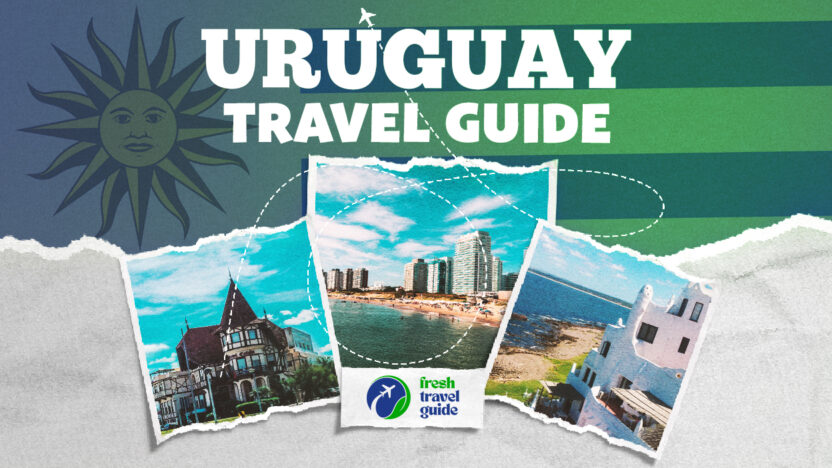
When you think about South America, buzzing cities like Buenos Aires or Rio de Janeiro might come to mind. But hidden between these famous neighbors lies a gem known for its peaceful vibe and stunning landscapes—Uruguay. This Uruguay travel guide introduces you to a unique destination where laid-back coastal towns meet charming colonial streets and serene countryside.
Compared to Argentina and Brazil, Uruguay is less touristy, which brings a friendly, unhurried pace that visitors love. First-time travelers can expect an inviting atmosphere, perfect for relaxing, exploring at your own speed, and enjoying cultural richness without the crush of crowds. In this comprehensive Uruguay travel guide, you’ll find practical, detailed travel tips Uruguay to help you plan a memorable trip.
Best Places to Visit in Uruguay: From Montevideo to Coastal Charm and Countryside Calm

Uruguay’s appeal lies in its variety of places, each offering a distinct experience. Whether you want to stroll city beaches, wander historic streets, or immerse yourself in nature, the country’s destinations cover all bases. This Uruguay travel guide highlights the best places Uruguay has to offer, giving you a well-rounded idea for your itinerary.
Montevideo stands as the nation’s capital, blending vibrant city life with a chilled coastal ambiance. Here, the energy is lively yet relaxed — locals enjoy cafes along the waterfront promenade (called the Rambla), cultural sites, and a rich arts scene without heavy tourist crowds. Montevideo perfectly represents Uruguay’s mix of cosmopolitan style and down-to-earth friendliness.
Then there are the charming small colonial towns like Colonia del Sacramento. This UNESCO World Heritage site is beloved for its cobblestone streets, colorful buildings, and tranquil beaches. The atmosphere breathes nostalgia and quiet elegance, ideal for travelers looking to slow down and soak in history beside the sea.
Away from the urban and colonial bustle, Cabo Polonio and Punta del Diablo represent rural, untouched nature spots. These peaceful areas boast beautiful beaches framed by sand dunes and rustic villages, far from hotel chains and busy roads. Visitors here enjoy a simpler life, with opportunities to disconnect fully and appreciate Uruguay’s natural beauty.
Together, these destinations offer a dynamic range from city culture, heritage, and beach vacations to rustic escapes. This diverse landscape means your Uruguay itinerary can be tailored for beach lovers, culture seekers, or nature enthusiasts.
Things to Know Before Visiting Uruguay: Language, Currency, and More
Before you pack your bags, it’s important to get familiar with practical details. This section of your Uruguay travel guide shares essential travel tips Uruguay to ensure a smooth trip.
Spanish is Uruguay’s official language. While most locals speak it fluently, tourists can get by with basic Spanish phrases and English especially in hotels, restaurants, and major tourist areas. Picking up a few Spanish greetings or using a translation app enhances interactions and local respect.
The currency here is the Uruguayan peso (UYU). Cards — debit and credit — are widely accepted in cities and tourist hubs, but carrying some cash is advisable when traveling to smaller towns, markets, or rural areas. ATMs are common in urban centers like Montevideo and Colonia, making cash withdrawals easy.
When it comes to tipping, Uruguayans usually expect around 10% in restaurants if service is good but it’s not compulsory. Small tips are appreciated in taxis and hotels but are more about polite gestures than obligation.
Internet is generally reliable in cities. Many travelers buy local SIM cards at the airport or shops for data access, ensuring they stay connected for navigation and communication.
Cultural Customs Tourists Should Know: Respecting Local Norms in Uruguay
Understanding local culture enriches any trip. To avoid awkward situations and make positive impressions, this Uruguay travel guide includes key cultural insights and travel tips Uruguay.
When greeting, Uruguayans typically shake hands, maintaining a warm but polite personal space. Small talk often precedes business or serious conversations, reflecting the importance of building rapport.
At meals, don’t rush. Dining is relaxed and social. Sharing mate, a traditional herbal tea served from a communal gourd and straw, is common — it’s a sign of friendship and connection.
Dress tends to be casual but neat. Beachwear is normal on the coast, but when dining in cities or visiting religious sites, more conservative and tidy clothing is preferred.
Lastly, avoid speaking loudly or pressing conversations. Uruguayans value calm, respectful interactions, so patience and softness in tone go a long way in social settings.
Common Scams Tourists Should Avoid in Uruguay

Uruguay is generally a safe country, but like any tourist destination, there are a few scams to watch out for. This section of your travel tips Uruguay will help you stay vigilant without worry.
One common issue involves taxi drivers overcharging or taking longer routes. To avoid this, always use official registered taxis or apps and agree on the fare beforehand if the meter is not used.
In busy market areas or buses, pickpocketing can happen, mostly targeting distracted tourists. Keep your valuables secure and avoid flashing expensive items like phones or cameras openly.
Sometimes prices can be inflated in highly touristed zones, so it pays to check menus or price tags carefully. Comparing options helps you avoid overpaying.
Staying aware but balanced with the knowledge that Uruguay is safe makes your trip more enjoyable and worry-free.
Travel Mistakes to Avoid in Uruguay: Planning for Smooth Adventures
Many travelers make common errors that hurt their experience. This Uruguay travel guide highlights what not to do and shares smart travel tips Uruguay for first-timers.
One mistake is underestimating travel times. Uruguay’s roads are scenic but can be slow, especially country routes. Factor in extra time to reach towns or beaches comfortably.
Another is insufficient cash — small shops or rural markets may not accept cards, so bring both local currency and a travel card.
Ignoring local weather variations disrupts packing and comfort. Uruguay has mild but sometimes cool winters. Don’t arrive with only summer clothes; layers are key.
Cultural misunderstandings such as seeming impatient or skipping greetings may offend. Take time to learn social customs to blend in smoothly.
Good planning means leaving buffer time for transport, carrying mixed payment methods, and researching weather per region for the best packing choices.
Best Time to Visit Uruguay: Climate and Seasonal Highlights
Timing your trip well greatly enhances your experience. This travel tips Uruguay section breaks down the seasons and ideal windows to visit.
Uruguay enjoys mild winters from June to August with cooler temperatures, good for quieter exploration but less beach time.
Warm summers (December to February) attract beachgoers, festivals, and vibrant nightlife. Coastal areas can be breezy compared to inland zones.
The shoulder seasons of spring and autumn bring pleasant weather without crowds. These are ideal for first-time visitors who want to enjoy outdoor activities and local events, such as Carnival in late summer or small regional festivals.
Regional climate differences mean coastal breeze cools the shore, while inland rural regions like Rocha may feel warmer.
A Simple Itinerary for First-Time Visitors to Uruguay
For newcomers, balancing city, culture, and nature is key. Here’s a flexible Uruguay itinerary that highlights things to do in Uruguay and the best places Uruguay has to offer.
- Days 1-3: Montevideo: Explore Uruguay’s capital at a relaxed pace. Walk along the Rambla, visit local markets, enjoy museums and theatres, and savor coastal views.
- Days 4-7: Colonia del Sacramento and Nearby Small Towns: Bask in colonial charm and quiet beaches. Wander cobbled streets, visit historic landmarks, and enjoy local cafes.
- Days 8-10: Punta del Diablo or Cabo Polonio: Head inland for rustic beach vibes and natural beauty. Relax on pristine shores and connect with nature in a peaceful setting.
- Days 11-14 (Optional): Return to the Coast or Explore Wine Regions: Wind down your trip with leisurely visits to coastal towns or Uruguay’s growing vineyards.
This itinerary encourages relaxing exploration rather than rushing, helping you unwind and immerse in Uruguay’s culture and landscapes.
Major Cities and Regions in Uruguay: Cultural and Natural Highlights
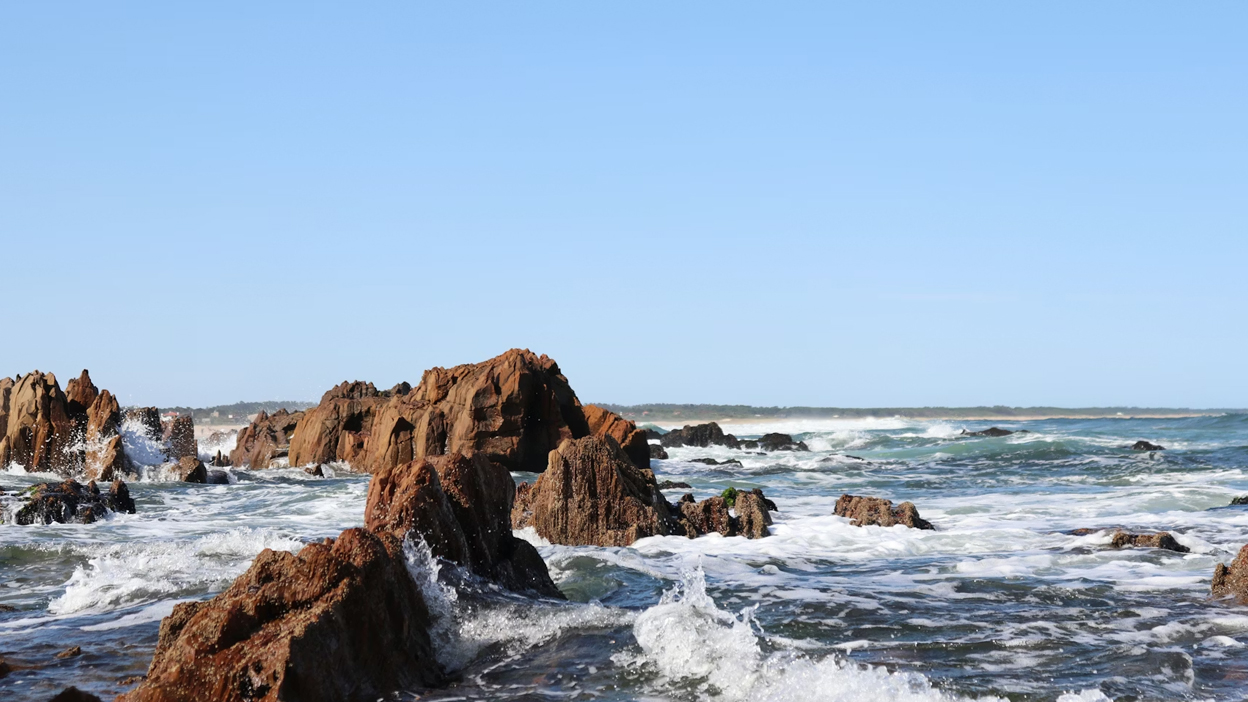
Understanding Uruguay’s main areas will help you choose your perfect destinations.
- Montevideo: The country’s cultural, political, and economic hub. It blends a laid-back coastal lifestyle with vibrant arts, dining, and history.
- Punta del Este: A glamorous summer beach resort known for lively nightlife, sandy beaches, and upscale resorts.
- Colonia del Sacramento: Famous for its UNESCO-listed historic district full of colonial architecture, perfect for a peaceful, nostalgic escape.
- Inland Rural Regions (Tacuarembó, Rocha): Rich with nature, rolling landscapes, and gaucho (Uruguayan cowboy) culture. Ideal for travelers seeking outdoor activities and authentic rural life.
Pair your travel goals—whether cultural immersion, beach relaxation, nightlife excitement, or nature retreat—with the right region to enrich your itinerary.
Uruguay Travel Checklist: Essentials for Your Trip
To help you pack and prepare smartly, this travel tips Uruguay checklist includes must-have items for a successful journey:
- Spanish phrasebook or translation app: To ease local communication.
- Local currency (Uruguayan pesos): Notes and small denominations for convenience.
- International travel card or secure cash storage: For payments and withdrawals.
- Clothing layers: Warm days with cooler evenings mean versatile attire.
- Power adapter: Uruguay uses Type C and L plugs; voltage is 220V.
- Photocopies/digital backups: Passport, visa, and travel insurance info are vital.
- Comfortable walking shoes: Suitable for cobblestones, beaches, and uneven terrain.
- Basic health essentials: Sunscreen, insect repellent, and any prescription medications.
Preparation is key to enjoying your adventure without surprises.
Conclusion
Uruguay offers travelers a rare blend of welcoming locals, easy travel logistics, and authentic cultural experiences—minus the mass tourism crowds. This Uruguay travel guide has provided detailed travel tips Uruguay to help you embark on a fulfilling and relaxed journey.
Whether exploring Montevideo’s dynamic streets, savoring the colonial charm of Colonia del Sacramento, or basking in the tranquility of rural beaches, Uruguay invites you to slow down and connect deeply with its peaceful pace and open-hearted people.
Use this guide to navigate your travels confidently, then customize your adventure to explore all the treasures Uruguay holds. Embrace the calm, the culture, and the coastline for an unforgettable South American escape.
Safe travels!