


Peru is a land of striking contrasts, where majestic mountains rise alongside dense rainforests, and ancient indigenous traditions blend with vibrant modern cities. From the soaring peaks of the Andes to the lush Amazon basin, Peru offers travelers a rich cultural tapestry shaped by centuries of history. Yet, this geographic diversity and cultural depth can make planning a trip feel overwhelming.
This Peru travel guide breaks down everything you need to know—from the best places Peru has to offer, exciting things to do in Peru, to practical travel tips Peru that will ensure your journey is smooth and rewarding. Whether you seek breathtaking landscapes, cultural immersion, or adventure, this guide has you covered with detailed advice and insider tips.
Best Places to Visit in Peru
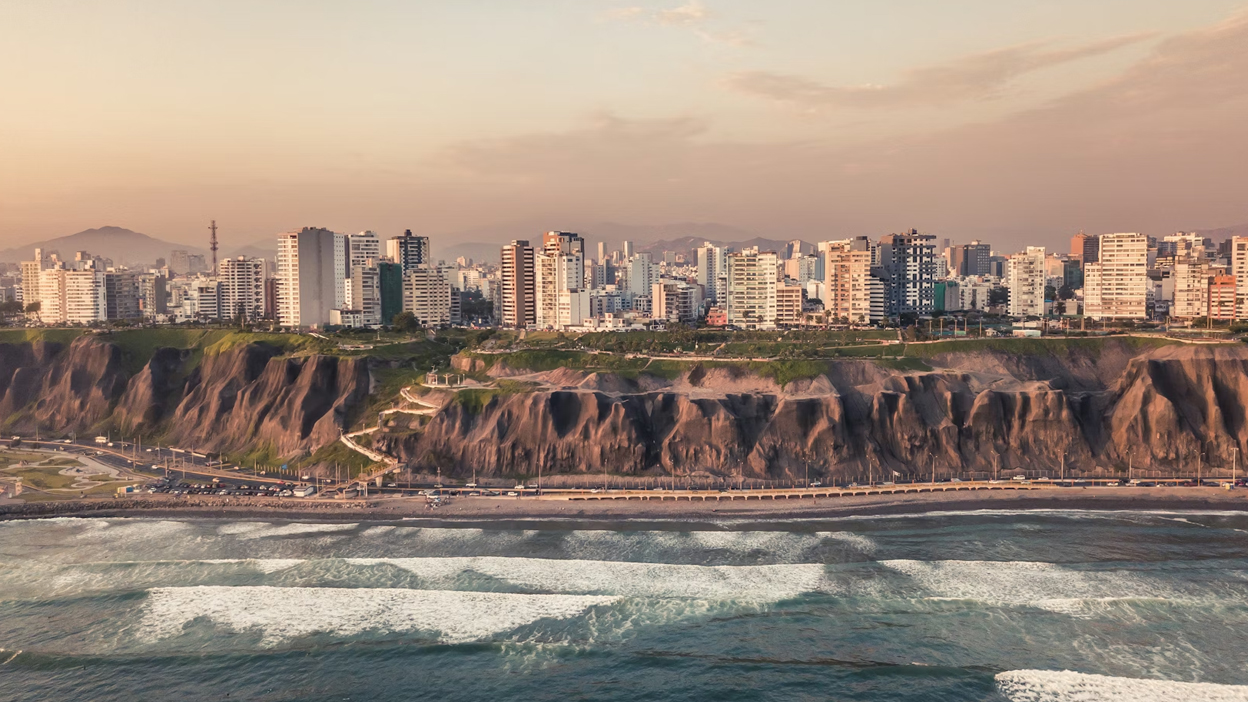
Peru is divided into unique regions, each with a distinct atmosphere and cultural identity. Understanding these areas will help you decide where to go and what to experience on your trip. Here are the key regions and best places Peru visitors should explore.
Coastal Areas
The Peruvian coast features laid-back beach vibes and charming fishing towns. Here, fresh seafood dominates the culinary scene, reflecting the ocean’s bounty. Coastal festivals bring the community to life with colorful parades and traditional music. The beaches are perfect for relaxing or surfing, while small towns showcase authentic local life with vibrant markets and friendly people. This region’s pace is slower, offering a refreshing contrast to the Andes or Amazon.
High Andean Regions
The towering mountains of the Andes create dramatic landscapes and a traditional way of life that has endured for centuries. Indigenous Quechua and Aymara communities thrive here, preserving ancient languages, customs, and festivals that celebrate the natural world and ancestral deities. Villages in these regions feel like stepping back in time, with stone houses, colorful textiles, and lively markets selling handmade crafts. The atmosphere is deeply spiritual and connected to the land.
Amazon Basin
The Amazon jungle in Peru is one of the most biodiverse places on Earth. Vast rainforests cover this region, offering visitors the chance to stay in eco-friendly jungle lodges and explore the dense canopy by boat or on guided walks. Wildlife encounters are abundant, with monkeys, exotic birds, and rare reptiles visible in their natural habitats. The mood here is wild, humid, and enchanting—a true adventure into nature.
Major Urban Centers
Peru’s cities are vibrant hubs where past and present merge. Colonial architecture lines narrow streets filled with bustling markets, museums, and cafes. The urban centers offer diverse gastronomy that mixes indigenous ingredients with international flair. After dark, nightlife scenes buzz with energy from trendy bars to traditional dance halls. The cities are cultural melting pots that give travelers a dynamic glimpse into modern Peruvian life.
Southern Regions
The South of Peru is characterized by strong indigenous traditions and striking natural beauty near deserts, high-altitude lakes, and canyons. Local communities produce colorful textiles and textiles reflecting centuries-old weaving techniques. This region offers proximity to Lake Titicaca, the highest navigable lake globally, and dramatic desert landscapes that create unforgettable scenery. The culture here feels earthy and deeply rooted in tradition.
These diverse areas offer a wide range of things to do in Peru, from exploring nature to engaging with local cultures. Choosing your destinations depends on the atmosphere and experiences you seek.
Things to Know Before Visiting Peru
Preparing well gives you a confident start to your journey. This section covers essential basics every traveler should know for a smooth trip.
Language
Spanish is Peru’s official language, spoken widely in cities and towns. However, indigenous languages like Quechua and Aymara are common in rural and highland areas. Many locals, especially elders, speak only their native tongues. Learning a few basic phrases in Quechua or Aymara can build goodwill and enrich interactions.
Currency
The Peruvian currency is the Sol (PEN). While credit and debit cards are accepted in larger urban centers and tourist businesses, many smaller towns and markets prefer cash payments. It is advisable to carry sufficient Sol, especially for street vendors, taxis, and remote areas. ATMs are common in cities but may be scarce elsewhere.
Tipping Culture
Tipping is customary but modest in Peru. In restaurants, a 10% tip is typical if service charges are not included. Taxi drivers usually do not expect tips, but rounding up the fare is appreciated. For tour guides, a tip of about 10% of the tour cost is standard, depending on the quality of service.
Internet and SIM Cards
Internet access varies widely. High-speed Wi-Fi is common in hotels, cafes, and urban areas but less reliable or absent in remote regions like the Amazon or small mountain villages. Local SIM cards can be purchased easily in airports, phone shops, or convenience stores. Major carriers like Claro, Movistar, and Entel offer good coverage and affordable data plans starting around $10 USD. Consider buying a local SIM for better connectivity outside cities.
These travel tips Peru provide a practical foundation that will help you navigate everyday situations more easily during your trip.
Cultural Customs Tourists Should Know
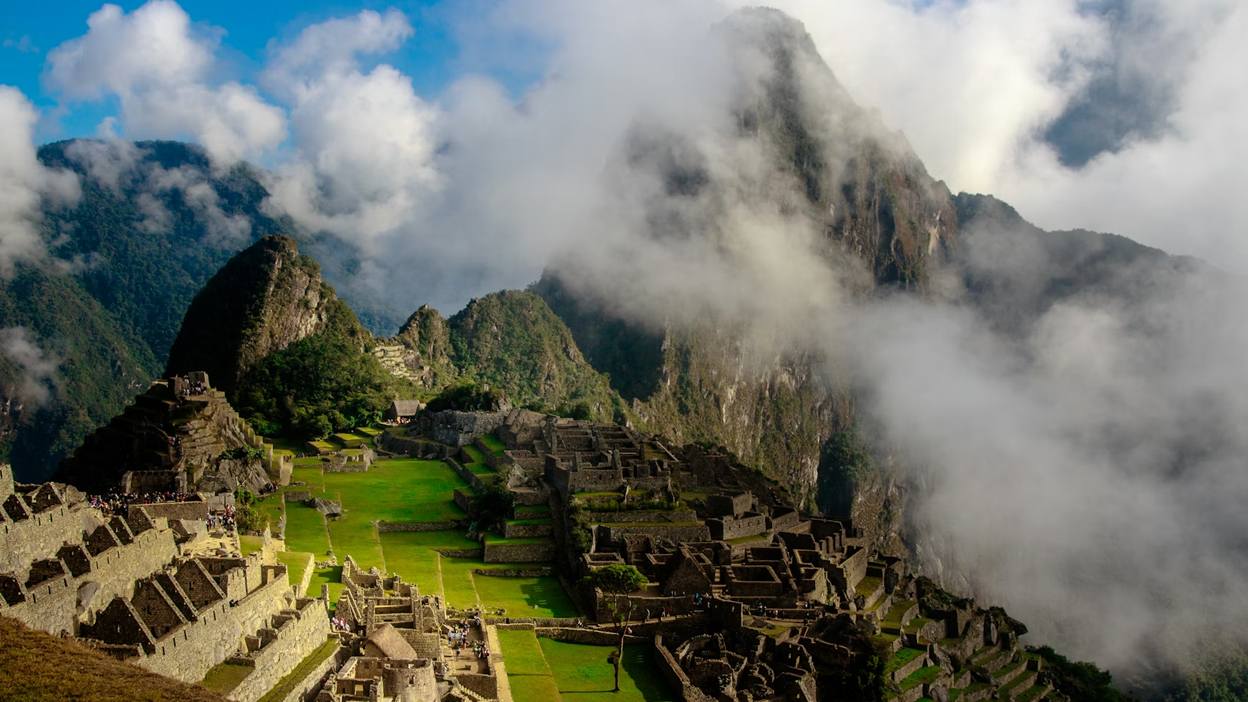
Understanding and respecting local customs will deepen your experience and foster positive connections.
Social Courtesies
Typical greetings include a handshake or a slight nod, especially in cities. In rural or indigenous communities, greetings tend to be more formal and reserved, and physical contact is generally minimal. Showing respect to elders is important—use polite language and gestures. Dress modestly when visiting traditional villages or attending festivals.
Personal Space & Behavior
Peruvians value personal space and generally expect conservative public conduct. Loud or boisterous behavior might cause discomfort, especially in religious or indigenous settings. Observing others’ cues helps visitors blend in respectfully.
Tourist Blunders to Avoid
Common mistakes include wearing inappropriate clothing like shorts or sleeveless tops in rural villages, neglecting to greet locals with customary phrases like “Buenos días,” and misunderstanding gift-giving customs. Being sensitive to these cultural norms shows respect and encourages warm exchanges.
Following this Peru travel guide advice on cultural customs helps travelers enjoy more meaningful and respectful interactions.
Common Scams Tourists Should Avoid in Peru
Being aware of typical scams can protect your money and peace of mind.
Typical Scams
- Taxi drivers may refuse to use meters and overcharge tourists.
- Unofficial tour operators sometimes sell counterfeit or overpriced trips.
- Currency exchange booths in tourist areas may offer poor rates or counterfeit bills.
Practical Safety Tips
Always agree on prices upfront before any taxi ride or service. Prefer registered taxis or use trustworthy ride apps like Beat or Cabify. Exchange currency only at official banks or licensed exchange offices. Book tours via reputable agencies or through your accommodation.
Vigilance is especially important in Lima, Cusco, and other popular tourist destinations where scams target visitors. These travel tips Peru will keep your trip safe and worry-free.
Travel Mistakes to Avoid in Peru
Avoiding common pitfalls will make your travel experience smoother.
Altitude Sickness
Highland cities like Cusco, Puno, and Arequipa sit at high elevations where altitude sickness (soroche) is common. Symptoms include headaches, nausea, and fatigue. To prepare:
- Spend a day or two acclimatizing before strenuous activities.
- Drink plenty of water and avoid alcohol at first.
- Consider medication like acetazolamide after consulting a doctor.
- Drinking coca tea, a traditional remedy, may also aid acclimatization.
Packing
Peru’s climate varies vastly. Pack layers: thermal base layers and fleece jackets for cold Andes nights, light breathable fabrics for the coast, and rain gear for the wet season, especially in Amazon regions.
Transportation Logistics
Travel times can be longer than expected due to mountainous roads and variable conditions. Build buffer days into your itinerary and choose reliable transport methods like reputable bus companies or domestic flights.
Cultural Awareness
Respect local customs, ask permission before photographing people, and avoid loud or disrespectful behavior in traditional communities.
These travel tips Peru help avoid unpleasant surprises and make your trip more enjoyable.
Best Time to Visit Peru
Choosing when to visit affects what you can see and do.
Seasons Overview
- Dry season (May to September): Ideal for trekking and exploring the highlands, as skies are clear and temperatures cooler. This is high tourist season.
- Rainy season (November to March): Jungle regions become lush and vibrant, and tourist sites are less crowded, but heavy rains can disrupt outdoor plans.
Regional Weather Nuances
The Andes experience cool, dry weather from May to September, while the Amazon remains humid year-round, wetter during the rainy season. Coastal areas have mild weather with summer fog often rolling in, especially around Lima.
For first-time visitors, the dry season offers dependable weather and is generally the best time to experience Peru’s diverse regions comfortably. These travel tips Peru help plan a trip around conditions.
A Simple Itinerary for First-Time Visitors
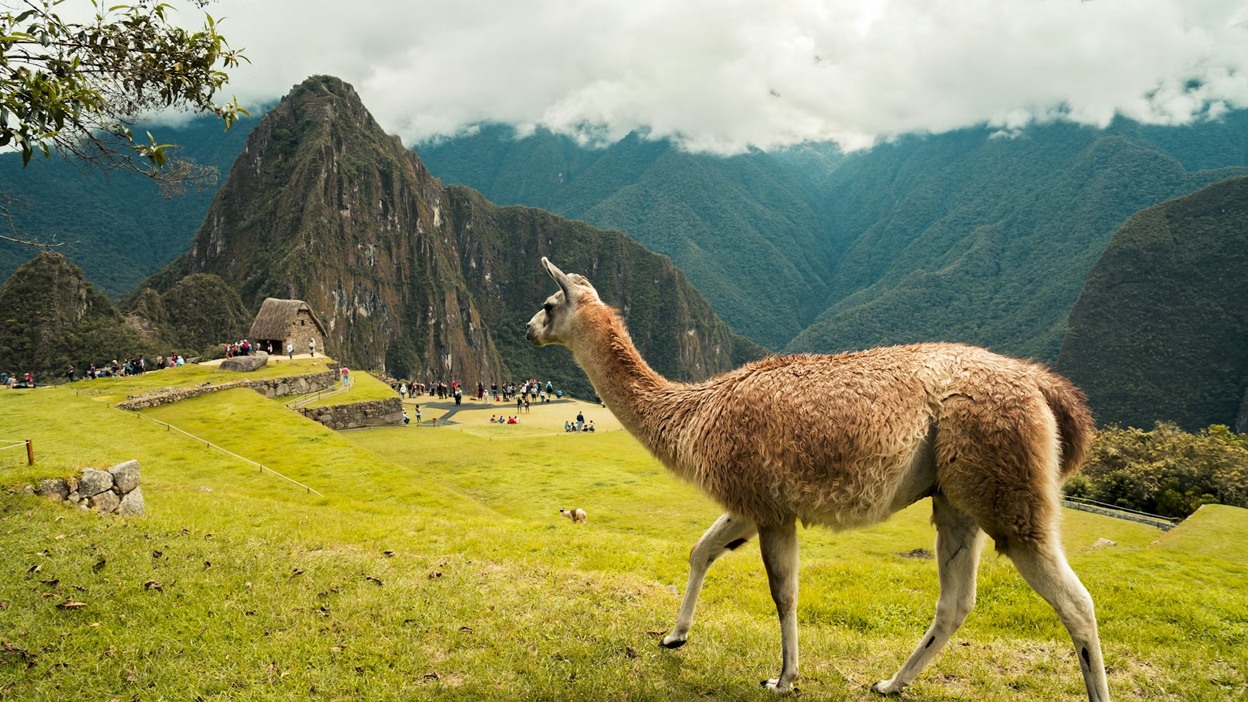
This flexible 10-day Peru itinerary balances urban life, mountain culture, and nature:
- Days 1–3: Lima: Explore the capital’s colonial streets, bustling markets, museums, and sample the diverse local cuisine. Experience Lima’s nightlife and coastal atmosphere.
- Days 4–6: Cusco and Sacred Valley: Immerse yourself in Andean culture with visits to artisan markets and surrounding traditional villages. Enjoy stunning mountain views and festivals if your timing is right.
- Days 7–10: Choose Your Adventure: Opt for the coast to relax on beaches, watch marine life, and enjoy laid-back towns. Alternatively, journey to the Amazon basin for wildlife spotting, boat tours, and jungle lodges.
This itinerary encourages exploration at your own pace while hitting the best places Peru has to offer and providing plenty of things to do in Peru.
Major Cities and Regions in Peru
Here is a quick snapshot of Peru’s key destinations, aiding your travel choices:
- Lima: The coastal capital, where colonial charm meets a modern food scene and vibrant nightlife.
- Cusco: The ancient Andean gateway, famous for indigenous culture and bustling artisan markets.
- Arequipa: Known for striking white volcanic stone architecture and nearby dramatic canyons.
- Puno: Positioned on Lake Titicaca, rich in folklore and colorful traditional festivals.
- Iquitos/Amazon: A remote jungle city offering river excursions and extraordinary wildlife viewing.
- Northern Coast: Less-touristy beaches with excellent surfing spots and archaeological ruins.
Each region offers diverse atmospheres and experiences, helping you tailor your trip according to your interests. This overview supports your planning by highlighting notable best places Peru and things to do in Peru.
Peru Travel Checklist
A practical checklist ensures you are well-prepared for Peru’s variety of environments:
- Remedies for altitude sickness such as coca tea and acetazolamide (consult your doctor).
- Layered clothing: thermal base layers, fleece jackets, and rain gear.
- Local SIM card or roaming plan for reliable mobile connectivity.
- Comfortable walking shoes suitable for uneven terrain and hiking.
- Sufficient cash in Peruvian Sol for markets and small purchases.
- Reusable water bottle with a built-in filter to stay hydrated safely and reduce plastic waste.
- Lightweight rain gear and sun protection, including a hat and sunscreen.
- Phrasebook or language app with basic Spanish and Quechua phrases for easy communication.
Following these travel tips Peru will maximize your comfort, safety, and enjoyment throughout your trip.
Conclusion
Peru captivates visitors with its extraordinary diversity—from soaring Andean peaks and lush Amazon rainforests to vibrant cities and deeply rooted indigenous cultures. This Peru travel guide provides a comprehensive foundation to navigate the country’s many contrasts successfully.
Use this guide as your starting point, then dive deeper into region-specific details to tailor an unforgettable journey. With guidance on the best places Peru to visit, essential travel tips Peru, and enticing ideas of things to do in Peru, you’re ready to embark on a remarkable adventure.
Start planning your Peru trip today and discover why this magical country leaves travelers transformed. Your unforgettable Peru experience awaits!