
Chile is a land of extraordinary and varied landscapes, a country where extremes become everyday sights. From the stark, rust-red dunes of the Atacama Desert in the north to the towering glaciers and windswept fjords of Patagonia down south, Chile offers breathtaking views that captivate and inspire. Between these extremes lies a rich cultural mix of cities, vineyards, forests, mountains, and coastlines that form a tapestry like no other.
This Chile travel guide is designed to help you navigate the vastness and regional variety of the country with confidence. Understanding Chile’s diverse geography and culture sets realistic expectations for your adventure, while practical travel tips Chile offers will prepare you to make the most of your journey. Whether it’s your first visit or a return trip, this guide covers everything you need to explore Chile’s wonders.
Best Places to Visit in Chile: Inspired by Unique Regional Charms
Chile’s appeal centers on its distinct regions, each presenting its own atmosphere, activities, and landscapes. Here are the best places Chile has to offer, focusing on broad areas to let your curiosity lead you.
Santiago and the Capital Region
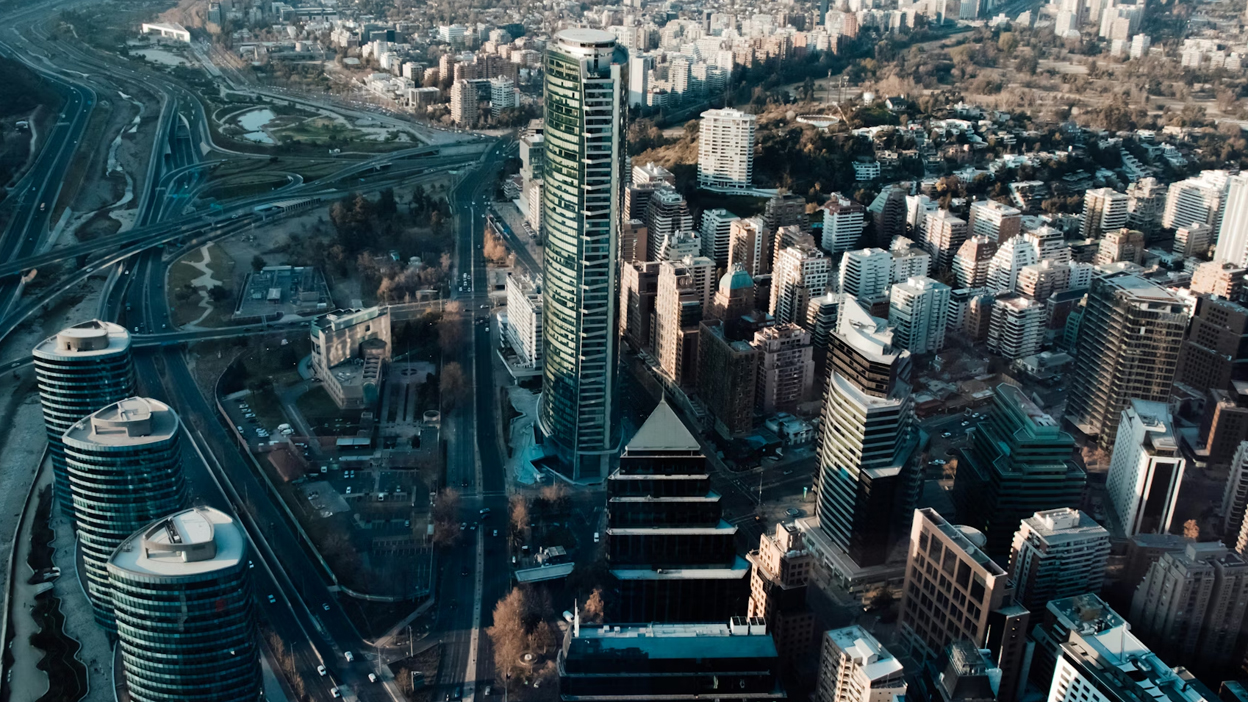
The urban heartbeat of Chile, Santiago pulses with cultural life, modern energy, and historic charm. Here, city streets blend bustling markets, art galleries, and vibrant neighborhoods. The region combines metropolitan sophistication with nearby natural escapes, making it a dynamic start for many visitors.
Northern Desert of Atacama
The Atacama Desert presents a surreal silence, cracked earth, and salt flats stretching endlessly beneath clear blue skies. Its dry, high-altitude environment produces unique landscapes rich with otherworldly colors. This region offers a remote, tranquil vibe perfect for stargazing and exploration of natural wonders.
Central Valley: Vineyards and Fertile Plains
The Central Valley is the agricultural heartland, filled with lush, rolling countryside rich in vineyards and orchards. This area exudes a peaceful charm with easy access to rural towns, farm markets, and traditional Chilean culture connected to the land and its bounty.
Southern Lake District
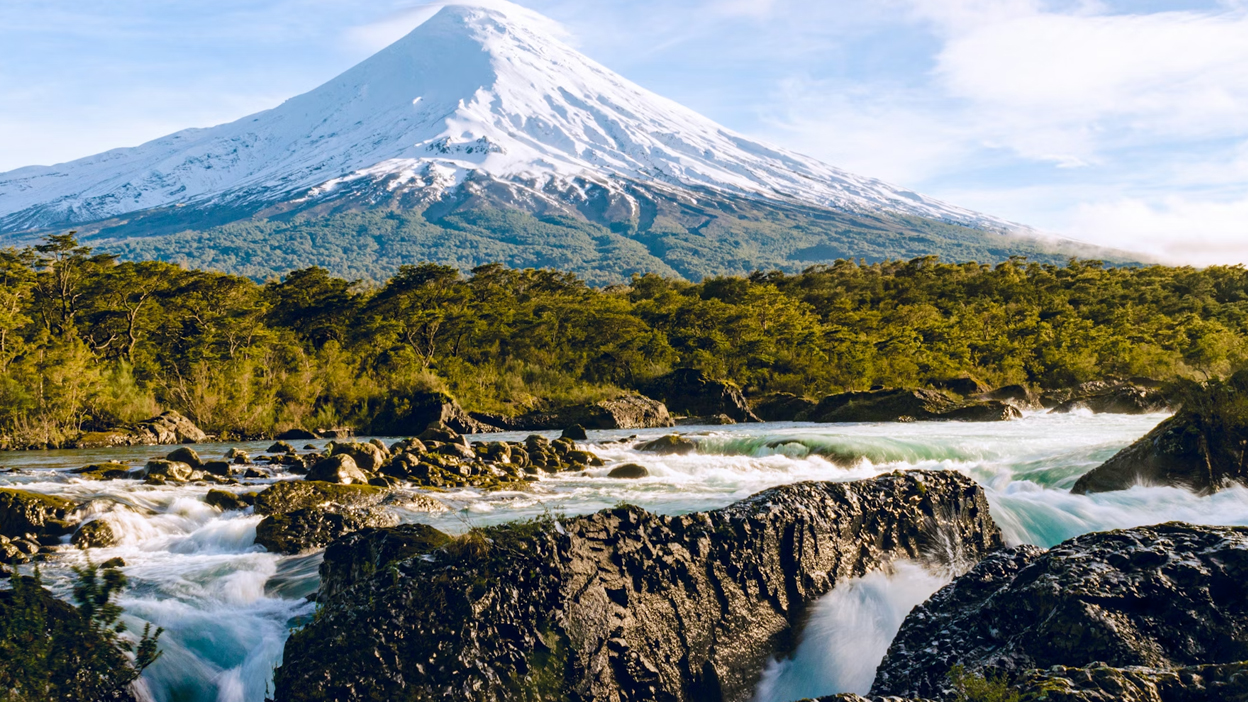
With its serene lakes and dense forests, the Southern Lake District provides a green sanctuary marked by a mild, pleasant climate. The region invites eco-tourism, outdoor activities, and quiet retreats, offering a soothing contrast to city life and rugged wilderness.
Patagonia’s Glaciers and Fjords
The dramatic beauty of Patagonia is unmatched — a land defined by towering glaciers, fjords, snow-capped peaks, and raw, untamed nature. Here, adventure seekers find hiking, kayaking, and wildlife encounters in one of the world’s last wild frontiers.
Coastal Areas of Chile
Chile’s long coastline offers sandy beaches, picturesque seaside towns, and thriving marine life. Whether it’s surfing on crashing waves, enjoying fresh seafood, or relaxing by the ocean, these areas combine natural beauty with a laid-back vibe.
Andean Highlands
High up in the Andes, the highlands reveal strong mountain cultures with distinctive traditions and spectacular altitude landscapes. This harsh but fascinating region offers insight into indigenous life and dramatic vistas far from the bustle.
Islands like Chiloé
The islands off Chile’s coast, such as Chiloé, carry folklore, colorful wooden churches, and a laid-back traditional culture. These islands invite you to step back into a slower pace of life intertwined with myths and nature.
Each region offers rich experiences and distinct vibes—urban hustle or serene nature, cultural immersion or high-adventure thrills. This Chile travel guide highlights these broad areas so you can decide which stories and sights resonate most with you when planning your trip and the things to do in Chile.
Things to Know Before Visiting Chile: Language, Money, and Connectivity
Understanding Chilean Spanish
- Chilean Spanish is unique — it has its own slang, pronunciation, and rhythm that can differ greatly from standard Spanish taught in schools or commonly heard elsewhere. Chileans often speak quickly, dropping consonants or blending words. Simple phrases like “¿Cachai?” (Do you understand?) or “po” at the end of sentences add local flavor.
- For non-Spanish speakers, it’s helpful to learn basic Chilean expressions or download language apps tailored to regional dialects. Polite greetings and a few words of Chilean vocabulary go a long way toward friendly connections.
Currency Usage: Chilean Peso
- The Chilean peso is the official currency. In cities, credit and debit cards are widely accepted, even in taxis and small shops. However, in rural or remote areas, cash remains king, so carry some pesos in small bills and coins to avoid inconvenience.
- ATMs are common in urban centers but sparse in the countryside. Plan accordingly to have enough cash, especially for markets or transportation outside big cities.
Tipping Customs: Tipping is appreciated but not mandatory. In restaurants, leaving about 10% of the bill shows gratitude. Taxi drivers might be tipped by rounding up the fare. Hotel staff and guides also appreciate small tips for quality service.
Connectivity and Mobile Internet
- Chile has good mobile internet coverage in cities and popular tourist areas. Major providers like Movistar, Claro, and Entel offer affordable prepaid SIM cards, easy to buy at airports or shops.
- Wi-Fi is common in hotels, cafes, and shopping centers but can be spotty or unavailable in remote regions or natural parks—plan to download maps or guides offline where needed.
This section equips you with essential travel tips Chile to ensure smooth communication and financial transactions during your trip — a vital part of any Chile travel guide.
Cultural Customs Tourists Should Know in Chile
Social Etiquette and Greetings
Chileans tend to be warm but reserved. Upon meeting someone new, a firm handshake suffices for formal settings. In informal or friendlier contexts, expect a light cheek kiss, usually on the right side.
Being polite and patient reflects well on visitors, as locals value calm and respectful interaction.
Punctuality
Punctuality is nuanced. Business meetings and formal occasions start on time. Social events, however, offer more relaxed timing, with guests often arriving later than scheduled.
Dress Codes
Cities lean toward casual yet neat attire — think smart casual. In smaller towns or rural areas, modest dress shows respect for local customs and traditions.
Gestures to Avoid
Avoid aggressive or loud gestures like forcefully waving thumbs up, pointing fingers directly, or speaking loudly in public spaces. Such actions can be perceived as rude or intrusive.
Engaging Locals Respectfully
Use polite language and listen attentively. Avoid controversial political or historical topics unless invited to discuss them. Chileans appreciate calm, unhurried conversations and generally dislike rushing or loud interruptions.
Keeping these cultural customs in mind enhances your experience and connections, making your travel smoother. Remember this part of your Chile travel guide as you meet locals.
Common Scams Tourists Should Avoid in Chile
Even in safe travel environments like Chile, it pays to stay vigilant.
Taxi Overcharging
Some taxi drivers might take longer routes or avoid using meters to inflate fares. Always confirm the fare before starting your ride or insist the driver use the meter.
Counterfeit Chilean Peso Bills
Be cautious when accepting change, especially in cash-heavy markets or from street vendors. Use official exchange houses or banks to convert money safely.
Petty Theft
Pickpocketing can occur in crowded markets or busy terminals. Avoid distractions, carry minimal cash, and secure wallets or bags closely.
Prevention Tips
Stay alert, carry essential documents and money safely, and ask trusted locals or accommodation staff for reliable transport options.
These practical travel tips Chile help protect your belongings and peace of mind, an indispensable part of any Chile travel guide.
Travel Mistakes to Avoid in Chile
Planning ahead helps you sidestep common pitfalls to enjoy Chile’s complex climates and culture.
Overpacking or Ignoring Climate Differences
Chile is long and geographically varied. Northern desert areas can have scorching days and cold nights, while Patagonia remains cool year-round. Pack layers suitable for sudden weather changes and diverse regions.
Underestimating Travel Distances
Though Chile looks narrow on the map, traveling between regions can take many hours by road or air. For example, a trip from Santiago to Patagonia might require a domestic flight, so allocate sufficient time for transfers.
Misjudging Cultural Rhythms
Restaurant and business hours can start later than expected. Lunchtime often falls around 2 pm, with dinner after 8 pm. Adjust your schedule to local habits to avoid empty restaurants or closed shops.
Payment Issues
Relying exclusively on cash or cards may cause difficulties. Carry a mix and know where cards are accepted to avoid inconvenience, especially in rural or small-town settings.
Avoiding these errors will streamline your experience and reduce unexpected frustrations—valuable travel tips Chile woven into your Chile itinerary and overall planning process.
Best Time to Visit Chile: Seasons and Regional Tips
Chile’s climate varies dramatically from north to south and coast to mountains.
Summer (December to February)
The warmest, longest days make summer ideal for Patagonia and southern explorations. The weather is pleasant, giving access to hiking, sightseeing, and festivals.
Winter (June to August)
Winter focuses on the Andes for skiing and snow sports. Southern regions see more rain, especially Lake District and Patagonia, so packing waterproof gear is essential if visiting then.
Shoulder Seasons (Spring and Autumn)
April-May and September-November offer fewer tourists, comfortable weather, and good conditions for cities and cultural visits. Mild temperatures and blossoming nature characterize these periods.
Regional Climate Notes
Northern desert areas experience intense daytime heat and cold nights year-round. Southern regions face frequent rains and cooler temperatures in winter.
Choosing when to visit depends on your priorities—whether adventure, avoiding crowds, or comfortable weather. This helps you optimize your Chile itinerary with useful travel tips Chile.
A Simple 10-Day Itinerary for First-Time Visitors
To get a well-rounded experience of Chile’s diversity, consider this flexible plan.
Days 1–3: Santiago and Surroundings
Explore urban life with museums, markets, historic neighborhoods, and nearby hills or parks. It’s a cultural and culinary introduction, setting a vibrant tone.
Days 4–6: Central Valley or Southern Lakes
Choose vineyards and rural charm in Central Valley or the tranquil nature of the Lake District. Enjoy wine tastings, gentle hikes, and local community visits amid scenic landscapes.
Days 7–10: Patagonia or Coastal Areas
For dramatic natural scenery, venture south to Patagonia’s glaciers and trails or relax and spot marine wildlife along the coast. Both options offer unforgettable highlights.
Allow travel days between regions for rest and adjust days based on interest and pace. This itinerary balances urban exploration, nature, and adventure—the core things to do in Chile, simplified for first-timers and structured as a solid Chile itinerary.
Major Cities and Regions in Chile: Highlights and Appeal
Santiago
As the cosmopolitan gateway, Santiago mixes modern infrastructure, lively cultural scenes, and proximity to nature. It’s the logical base for travel across the country.
Atacama Desert
Known worldwide for surreal desert landscapes and clear night skies ideal for astronomy, this northern region fascinates with its quiet beauty.
Central Valleys
The rolling vineyards and fertile farmland paint a peaceful rural picture, appealing to lovers of wine culture, agriculture, and gentle outdoor activities.
Southern Lakes
Tranquil lakes surrounded by forests create serene retreats perfect for eco-tourism, kayaking, and walking through pristine nature.
Patagonia
Raw wilderness calls adventure seekers to explore glaciers, fjords, and dramatic mountain scenery in one of the planet’s most remote regions.
Coastal Towns
Shoreline areas deliver fresh seafood, surfing opportunities, and relaxed beach vibes paired with ocean views.
These major regions offer the best places Chile for all types of travelers, featuring varied things to do in Chile that suit nature lovers, culture buffs, or thrill-seekers alike, making this a thorough Chile travel guide.
Chile Travel Checklist: Essentials for Your Trip
Packing Essentials
Bring layers for variable temperatures, sun protection including hats and sunscreen for the desert and high altitudes, sturdy hiking shoes, and rain gear for southern Chile.
Power Adapters
Chile uses Type C and L plugs with 220V voltage and 50Hz frequency. A suitable travel adapter is necessary for your electronics.
Currency and Money Handling
Carry some Chilean pesos in small denominations. Use ATMs mainly in cities. Secure your cash and cards safely, preferably with a money belt or secure bags.
Travel Documents
Ensure your passport is valid with printed copies stored separately. Have travel insurance information handy.
Mobile Connectivity
Buying a local SIM card is cost-effective. Look for providers like Movistar, Claro, or Entel at the airport or city shops. International roaming can be expensive and unreliable.
Language Aids
Download apps or digital phrasebooks focused on Chilean Spanish to help with pronunciation and common expressions. It enhances communication and comfort.
Following this travel tips Chile checklist prepares you thoroughly, making your journey smooth and enjoyable—a key part of this comprehensive Chile travel guide.
Conclusion
Chile is a country of stunning contrasts—from extreme climates and landscapes to rich cultural experiences. It rewards travelers who embrace its diversity with open hearts and careful planning.
This Chile travel guide provides essential insights on things to do in Chile, practical advice, and regional highlights to shape an unforgettable trip without getting overwhelmed. Use this as your foundation, then dive deeper with city or regional guides to tailor your perfect adventure.
Get ready to create lifelong memories in a nation defined by breathtaking vistas, vibrant culture, and endless discovery.
Happy travels!