
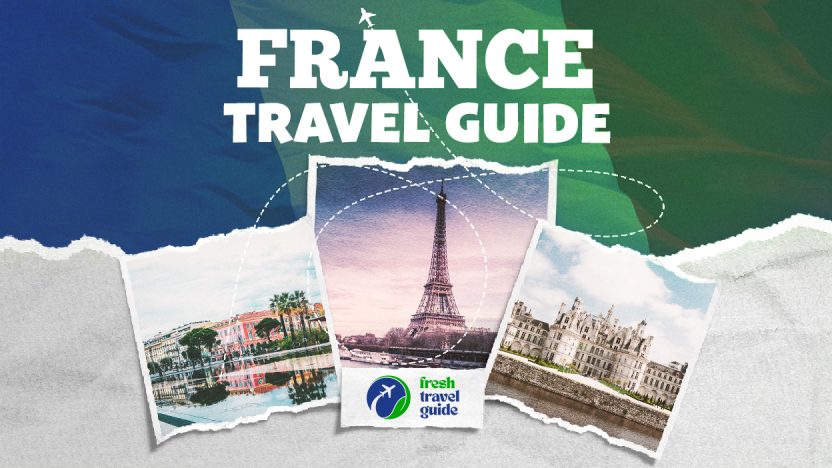
France captivates travelers with its irresistible charm and diverse experiences. From the sparkling lights of bustling cities to the serene calm of its countryside and idyllic coastlines, France offers something for every type of visitor. Exploring this beautiful country can feel enchanting yet overwhelming for first-timers due to its size and variety. Whether you’re dreaming of iconic landmarks, gourmet cuisine, or scenic landscapes, navigating it all requires good guidance.
This France travel guide is designed to help you confidently explore this fascinating destination. Inside, you’ll find the best places France has to offer, practical travel tips France, and a straightforward France itinerary that makes planning easy. Whether you’re seeking urban excitement, peaceful nature, cultural heritage, or a mix, this guide covers everything to start your journey right.
Best Places to Visit in France
France is a treasure trove of travel experiences. To help you plan your adventure, here is a handpicked selection of the top French destinations. This list will suit various traveler vibes—from city explorers and beach lovers to wine aficionados and outdoor enthusiasts.
The Dynamic Capital City: Paris
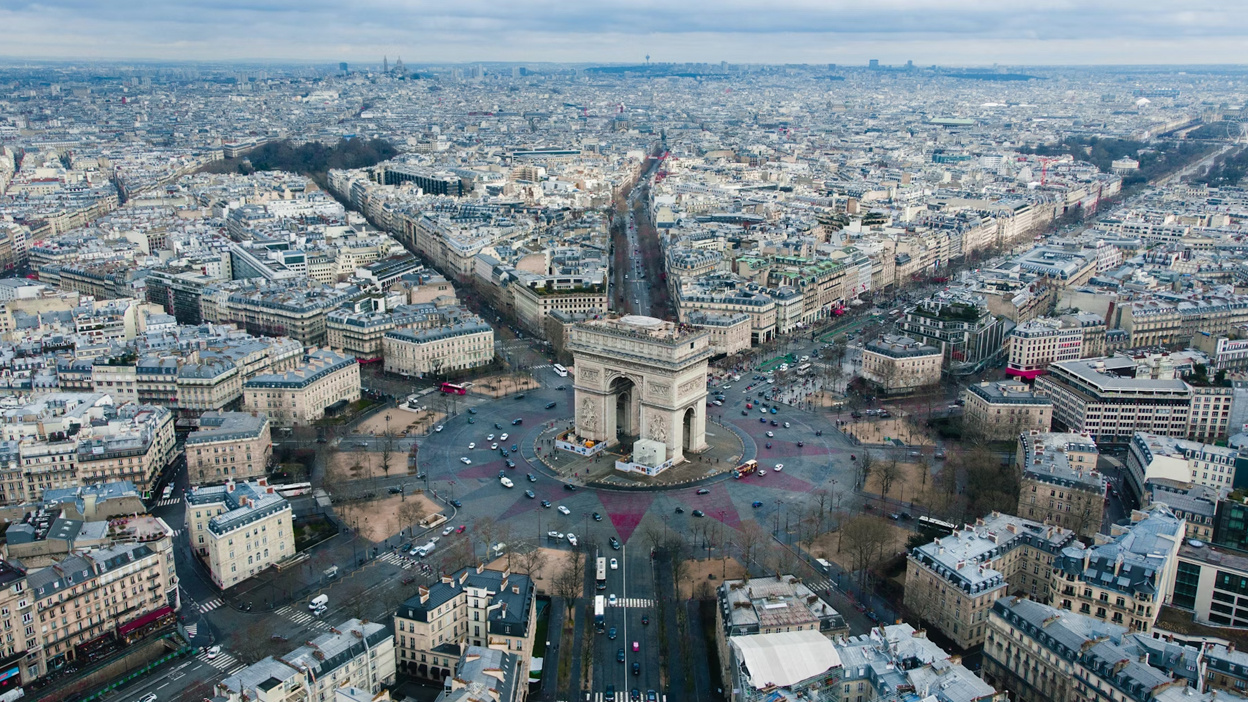
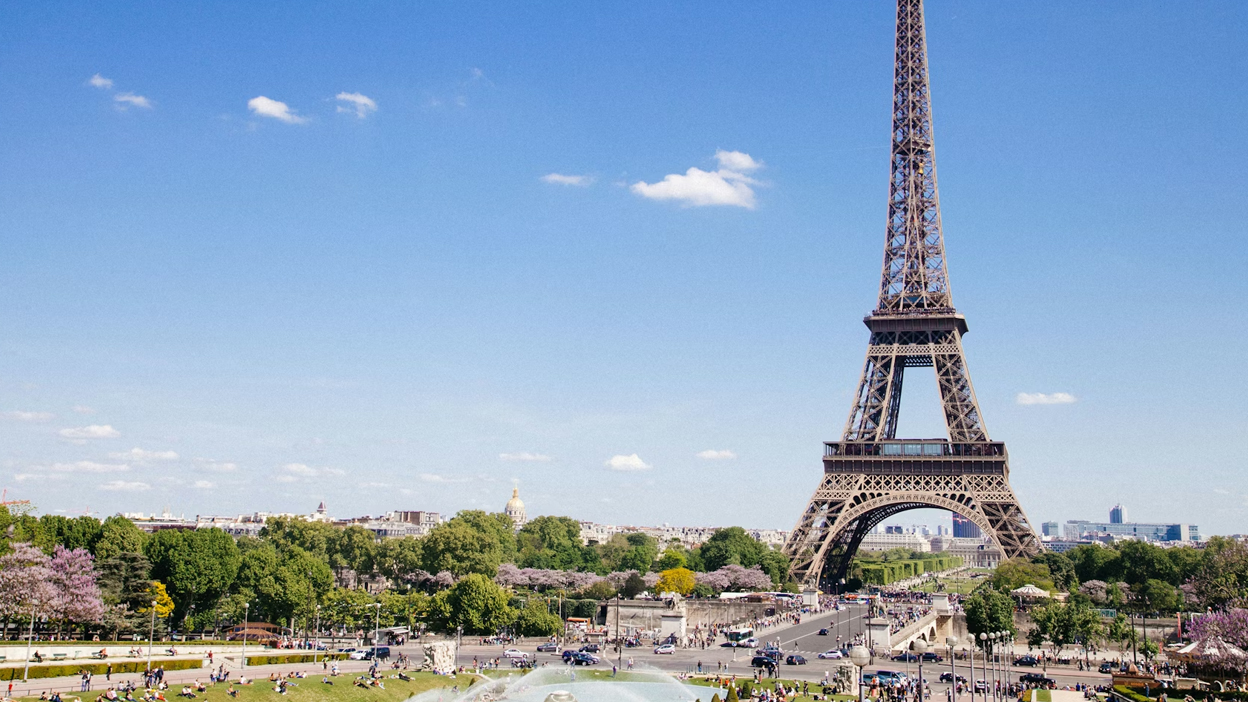
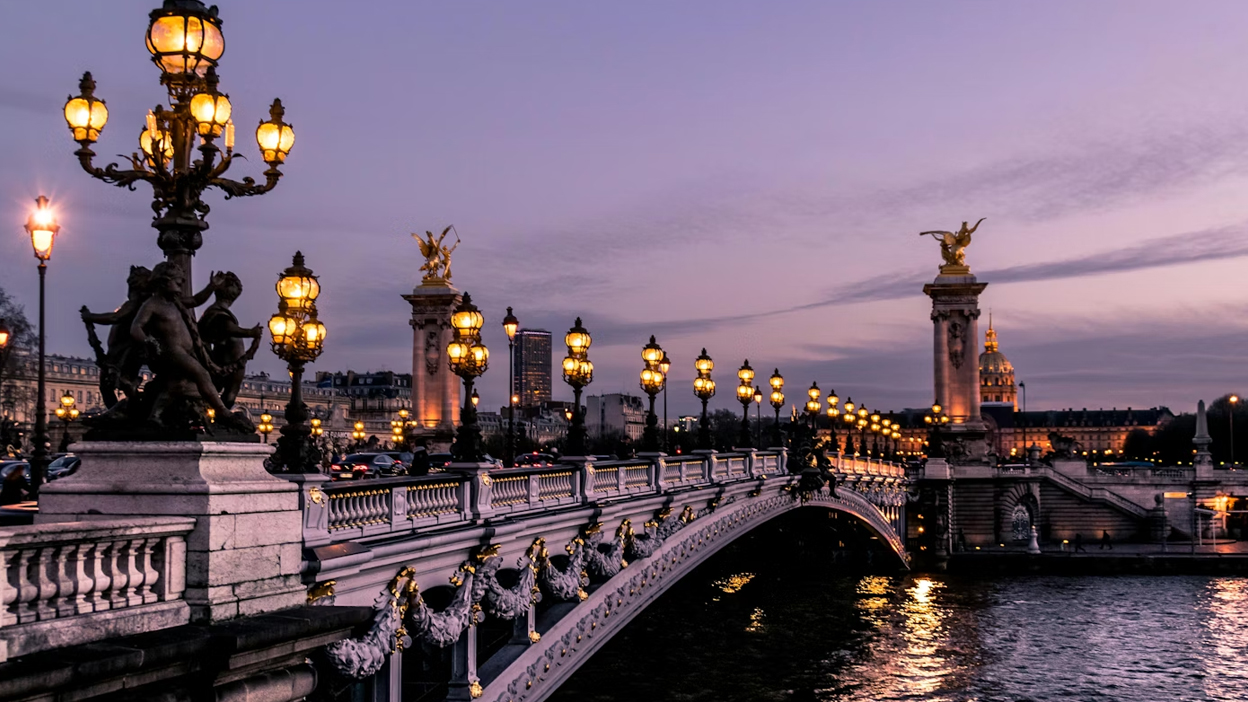
Paris, the heart of France, is a vibrant hub of culture, fashion, and timeless beauty. Known worldwide for landmarks like the Eiffel Tower, Notre-Dame Cathedral, and the Louvre Museum, the city offers endless things to do in France. From strolling along the Seine to enjoying café culture, Paris blends historic grandeur with a modern urban vibe. It’s perfect for visitors wanting to soak in art, shopping, and gastronomy.
Sun-Soaked Southern Coast: The French Riviera
The French Riviera (Côte d’Azur) shines with glamorous beaches, crystal-clear Mediterranean waters, and a warm climate. Cities like Nice, Cannes, and Saint-Tropez feature outdoor cafés, luxury boutiques, and a laid-back coastal charm. This is a paradise for relaxing under the sun, attending summer festivals, or enjoying fresh seafood by the sea.
Countryside and Vineyards: Bordeaux and Burgundy
For those craving slow-paced countryside charm, the regions of Bordeaux and Burgundy deliver rolling vineyards, charming villages, and world-class wine tasting. These areas invite travelers to explore scenic drives, authentic markets, and peaceful rural life. It’s the perfect getaway for wine lovers and cultural enthusiasts eager to experience France’s agricultural heart.
Mountainous Regions: Alps and Pyrenees
The French Alps and Pyrenees offer breathtaking landscapes filled with fresh air and outdoor adventure. In summer, hiking trails and mountain lakes attract nature lovers, while winter transforms these regions into top skiing destinations. These mountainous areas provide a different side of France—a place for sports, fresh alpine produce, and stunning views.
Historic Northern Region: Normandy and Brittany
The north offers a mix of rich history and traditional culture. Normandy is famed for its D-Day beaches and rustic coastline, while Brittany is known for its Celtic heritage and rugged seaside towns. Both regions blend things to do in France like exploring medieval villages, seafood cuisine, and attending lively local festivals.
Things to Know Before Visiting France
Before you set foot in France, it helps to understand some practical details. These basics will smooth your journey and help you blend in.
Language
French is the official language in France. While many people in tourist areas speak some English, learning simple French greetings like “Bonjour” (hello) and “Merci” (thank you) shows respect and is warmly appreciated. Basic phrases go a long way in enhancing your travel experience.
Currency
France uses the Euro (€). Credit and debit cards are broadly accepted in cities and larger establishments. However, carrying some cash is wise, especially for small purchases in local markets, cafés, or rural areas where cards may not be accepted.
Tipping
Tipping in France differs from many other countries. Restaurant bills typically include service charges, so tipping is not compulsory. A small tip or rounding up the bill is appreciated for exceptional service but isn’t expected. This is a notable difference from North American tipping customs.
Internet & SIM Cards
Staying connected is easy with many towns offering solid mobile coverage and public Wi-Fi spots. To save on roaming fees, purchasing a local SIM card or renting a portable Wi-Fi device is recommended. In very remote countryside areas, internet speeds may be slower or patchy.
These travel tips France help you prepare practically and make the most of your visit.
Cultural Customs Tourists Should Know
Understanding French customs will help you avoid common mistakes and enjoy deeper cultural interactions.
- Always greet shopkeepers, restaurant staff, or locals with a polite “Bonjour” before starting any conversation. This simple gesture is a sign of respect.
- Dining etiquette is important: wait for everyone at the table to be served before starting your meal. Keep your hands on the table rather than in your lap. Remember, meals in France are social experiences meant to be savored slowly.
- Speak softly in public places; loud conversations are generally frowned upon.
- Show respect by adhering to dress codes, especially when visiting churches or attending formal venues.
These travel tips France about etiquette enhance your experience and help you fit in gracefully.
Common Scams Tourists Should Avoid in France
While France is generally safe, it’s wise to be aware of typical scams targeting tourists.
- Pickpocketing is common in crowded areas like metro stations, tourist landmarks, and busy markets. Always keep your valuables securely stored and be alert in busy spots.
- Beware of distraction scams such as people asking for signatures on fake petitions or offering “free” trinkets and then demanding payment.
- Avoid unlicensed taxis and carefully check prices at tourist market stalls to prevent overcharging.
By following these simple precautions, you can enjoy your trip without worry. Staying aware and politely declining suspicious offers is the best defense.
This section provides key travel tips France you need to stay safe.
Travel Mistakes to Avoid in France
To ensure your trip runs smoothly and enjoyably, watch out for these common pitfalls:
- Don’t limit yourself to only famous cities. Some of the most authentic French experiences come from smaller towns and regions off the beaten path.
- Avoid overpacking your itinerary. France is best enjoyed at a relaxed pace, allowing you to savor local cuisine, culture, and unplanned discoveries.
- Pay attention to regional transportation options and schedules. Rural areas can have less frequent bus or train services.
- Familiarize yourself with local customs and service styles to prevent misunderstandings. Expecting everything to operate like at home may lead to frustration.
Steering clear of these mistakes, this France travel guide along with travel tips France prepares you for a well-rounded journey.
Best Time to Visit France
France’s climate and atmosphere vary throughout the year, influencing what you can do and see.
- Spring (March to May): Mild weather and blooming gardens make spring ideal for outdoor walks and enjoying festivals. Tourist numbers are moderate.
- Summer (June to August): Warm to hot temperatures attract crowds to beaches and major attractions. Festivals light up cities and towns, but expect larger crowds.
- Autumn (September to November): Cooler weather and changing foliage bring colorful landscapes, especially in vineyards. Harvest festivals highlight regional wines.
- Winter (December to February): Crowds thin out, making it great for city sightseeing and cultural events. Mountain resorts offer skiing and winter sports.
Regional differences matter: coastal areas stay milder year-round, while mountains have snow in winter. For first-time visitors, late spring and early autumn offer the most pleasant weather and fewer crowds.
These travel tips France guide you on when to plan your visit for the best experience.
A Simple Itinerary for First-Time Visitors
Here’s a manageable 9-day France itinerary designed to showcase the country’s variety without overwhelming you.
Days 1–3: Explore Paris
Spend your first days in Paris, visiting classic sites like the Eiffel Tower, Louvre, and Montmartre. Enjoy leisurely meals in cafés, shop in stylish boutiques, and stroll riverside promenades.
Days 4–6: Cultural Region and Vineyards
Next, head to a historic region rich in culture such as the Loire Valley or Burgundy. Here you can tour châteaux, wander through quaint villages, and taste local wines. Scenic drives reveal tranquil countryside landscapes.
Days 7–9: Nature and Relaxation
- End your trip in a nature-focused area. Choose the French Alps for outdoor activities like hiking or skiing depending on the season, or Provence for lavender fields and rural charm. This offers peaceful contrast to city life.
- For longer stays or specific interests, add a day to explore beaches on the Riviera or more historic towns.
- Train travel and car rental options make transitions smooth without hassle.
This France itinerary balances top things to do in France and the best places France visitors should consider.
Major Cities and Regions in France
Quickly review some major French destinations to focus your plans:
- Paris: Capital city and cultural hotspot known for art, fashion, and iconic landmarks.
- French Riviera: Stunning coastline famous for luxury beaches, Mediterranean sunshine, and festive atmosphere.
- Bordeaux: Celebrated wine region with historical charm and scenic vineyards.
- Alps: Mountain playground offering skiing, hiking, and breathtaking natural beauty.
- Normandy: Historic northern region with coastal views, WWII landmarks, and rich agricultural heritage.
These summaries help you evaluate where to center your travels for a varied experience. Think of this as your snapshot of France’s top areas for things to do in France.
France Travel Checklist
Prepare for your trip with these essentials tailored to France’s environment and customs:
- A French phrasebook or translation app to help with language basics.
- Refillable water bottle since many towns have drinkable public fountains.
- Comfortable walking shoes to navigate cobblestone streets and urban areas.
- Portable phone charger for long sightseeing days.
- European power adapter (Type C/E plug, 230V) to keep your devices charged.
- Layered clothing to handle weather changes, especially in spring and autumn.
- Reusable shopping bag due to environmental rules in shops and markets.
These items support your comfort and respect for local practices, based on practical travel tips France.
Conclusion
France’s incredible diversity—from vibrant cities to peaceful rural landscapes—makes it a remarkable destination for every traveler. This France travel guide has outlined the best places France offers, shared essential travel tips France, and provided a clear France itinerary to help you plan with confidence.
Use this guide as your starting point to explore detailed resources tailored to your personal interests. With informed preparation and an open mind, your journey to France will be a memorable adventure filled with culture, nature, and warm hospitality. Start planning now and look forward to the magic of visiting France.
Bon voyage!