

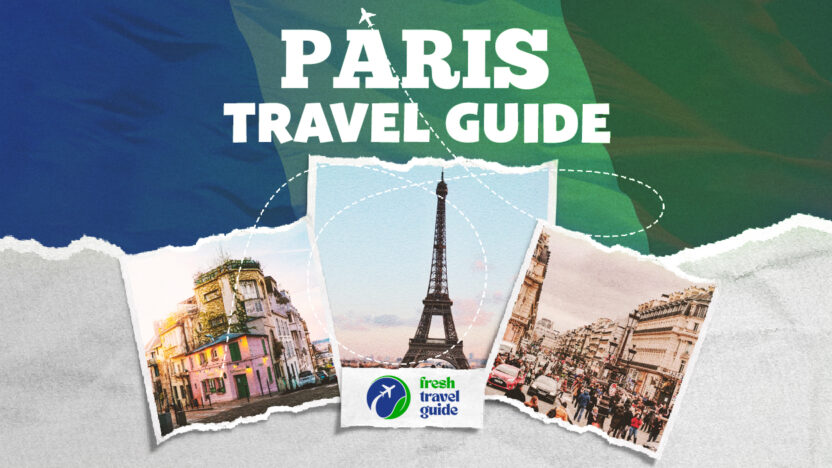
Paris is a city like no other—elegant yet lively, historic yet modern. Its unique vibe comes from a seamless blend of world-class art, rich culture, and the rhythm of everyday Parisian life. Whether you’re wandering along Seine riverbanks at sunset or sipping coffee in a cozy café, Paris captivates every visitor with its charm and spirit.
This Paris travel guide embraces that diversity. It is designed for history buffs eager to roam medieval streets, food lovers hungry for authentic cuisine, and casual wanderers who simply want to soak in the city’s atmosphere rather than rushing from landmark to landmark. In this post, you will find everything you need to know—from the best places in Paris to visit and practical things to do in Paris, to useful Paris travel tips that help you navigate the city like a local.
Best Places to Visit in Paris: Discover Neighborhoods That Define the City

When planning your Paris itinerary, think beyond just visiting famous monuments. The true heart of Paris beats in its neighborhoods—with each district offering a unique experience that invites you to explore at your own pace. Here are some of the best places in Paris that will immerse you in authentic city life.
Le Marais: History and Trendy Vibes Combined
- Le Marais is a historic neighborhood known for its cobbled streets, elegant 17th-century architecture, and vibrant café culture. Walking here is like stepping into a living museum, punctuated by trendy boutiques and art galleries. The atmosphere is both eclectic and welcoming, ideal for discovering hidden gems such as vintage shops or charming pastry stores.
- Things to do in Le Marais include browsing local markets, savoring falafel on Rue des Rosiers, and enjoying people-watching at a sidewalk café. It’s perfect for travelers who want a slice of real Parisian life away from tourist crowds.
Montmartre: The Artistic Hilltop Refuge
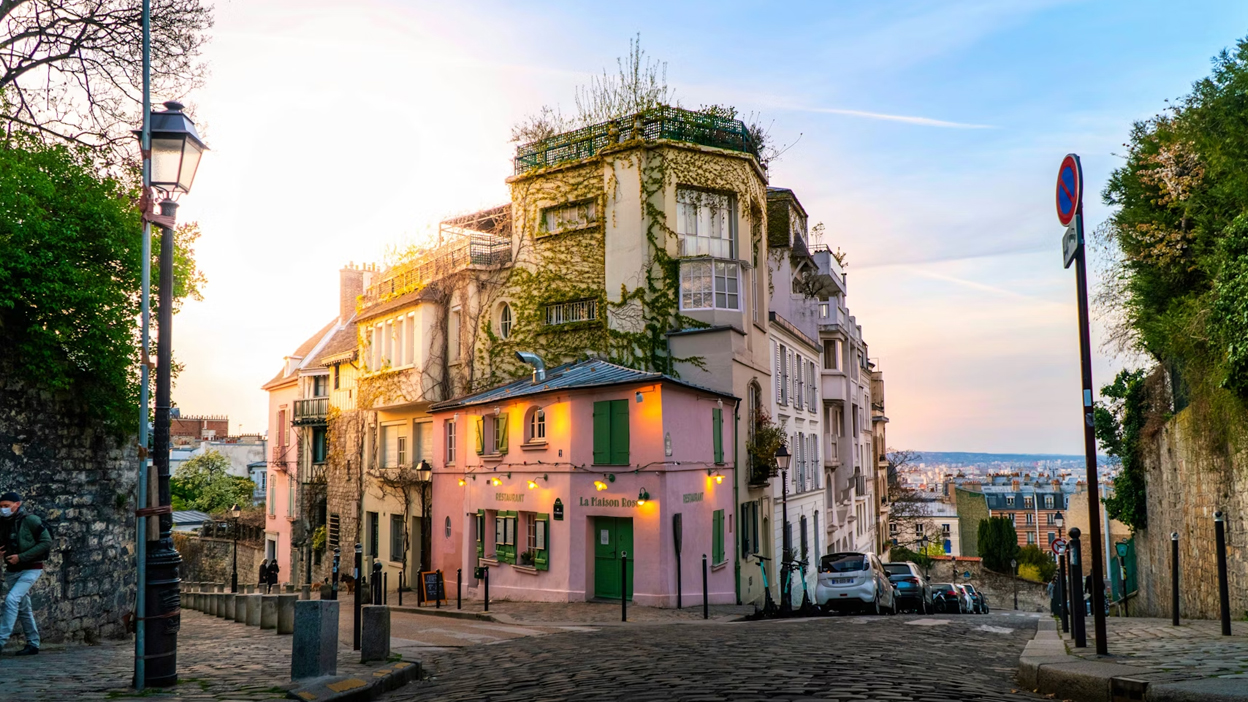
- Famous for its artistic heritage, Montmartre was the haunt of painters like Picasso and Van Gogh. This neighborhood’s quaint streets and hilltop views provide a quieter, more reflective Paris experience compared to the bustling Eiffel Tower area. The cobbled paths lead to the iconic Sacré-Cœur Basilica, where panoramic views of the city stretch out below.
- Montmartre offers a peaceful retreat filled with galleries, hidden gardens, and authentic bistros, making it a top stop on any thoughtful Paris itinerary.
Latin Quarter: Intellectual Buzz and Medieval Streets
- The Latin Quarter thrives on its history as a center of learning. Home to the Sorbonne University, this area features narrow, medieval streets lined with bookstores and lively cafes. The neighborhood pulses with youthful energy and an intellectual buzz that invites visitors to relax with a book or enjoy a lively discussion over classic French cuisine.
- For those interested in history, culture, and vibrant street life, the Latin Quarter is a must-visit destination in Paris.
Seine Riverbanks: Romantic Walks and Iconic Views
- Few experiences capture the essence of Paris better than a slow walk along the Seine Riverbanks. This area offers some of the most picturesque views, charming bridges like Pont Neuf, and intimate moments often missed by quick tours. Walking here lets you savor the romantic atmosphere that defines the city.
- Including the Seine riverbanks in your Paris itinerary gives balance to busy days of sightseeing—allowing you to pause, breathe in the views, and connect with Paris’s timeless magic.
Things to Know Before Visiting Paris
Understanding some basics about Paris can make your trip smoother and more enjoyable. This section of the Paris travel guide shares essential city details and cultural insights.
Paris City Layout: 20 Arrondissements in a Spiral
- Paris is divided into 20 districts called arrondissements, arranged like a snail shell spiraling out from the city center. This unique layout helps with getting around and choosing where to stay. For example, neighborhoods in the 1st to 7th arrondissements are central and walkable, while the outer districts tend to be more residential.
- Knowing this makes planning your daily routes and accommodations more efficient, saving time for sightseeing.
Payment Habits: Contactless and Cash
Most places in Paris accept contactless payments, including credit cards and mobile pay apps. However, small cafés, markets, and some shops still prefer cash payments, making it wise to carry some euros in small denominations. Having a mix of payment options avoids any inconvenience.
Language: Politeness Goes a Long Way
Basic French greetings such as “Bonjour” (hello) and “Merci” (thank you) are appreciated and can open doors to friendlier interactions. Parisians value politeness, so starting with a smile and a courteous greeting sets a positive tone.
Cultural Nuances to Remember
- Dining etiquette: Meals are unhurried social occasions. Expect to savor courses slowly without rushing or expecting quick turnover.
- Queuing: Parisians appreciate orderly queues in shops and metro stations—jumping lines is frowned upon.
- Café culture: Lingering over coffee is typical. It’s about enjoying the moment and engaging socially, not just a fast caffeine fix.
These fine points enhance your experience and show respect for local customs.
Tips for Visiting Paris: Maximize Your Experience
Here are some practical Paris travel tips to help you make the most of your visit while avoiding common pitfalls.
Avoid Crowds with Smart Timing
To beat crowds at popular sites, plan visits early in the morning or during weekdays. Major attractions and neighborhoods like the Louvre or Notre-Dame are quieter before 10 AM or midweek, giving you a more relaxed experience.
Best Times of Day for Neighborhoods
- Le Marais: Best enjoyed in the afternoon when shops and cafés are bustling but not overwhelmed.
- Saint-Germain-des-Prés: Evening strolls reveal a lively local vibe with jazz bars and bistros.
Adapting your schedule by neighborhood mood helps you soak in authentic Parisian charm.
Local Habits to Know
- Validate your metro ticket at entry to avoid fines.
- Tipping is usually 5-10% or rounding up the bill; it’s not obligatory but appreciated.
- Always greet staff with “Bonjour” when entering shops or cafés to start on good terms.
Blend In, Avoid Tourist Traps
- Stay away from aggressive street vendors offering suspicious deals. Choose smaller side-street eateries over those with flashy tourist menus for authentic meals and better prices.
- Incorporating these tips into your Paris itinerary lets you enjoy the city confidently and comfortably.
Travel and Cultural Mistakes to Avoid in Paris
To further prepare, this part of our Paris travel guide highlights common mistakes tourists often make.
Avoid Speaking Loudly or Expecting English
Parisians generally don’t mind English but appreciate when visitors try basic French phrases first. Speaking loudly or assuming everyone speaks English can cause friction.
Always Say “Bonjour” When Entering Shops
Skipping this simple greeting is considered rude and can sour interactions immediately. Begin any conversation politely with “Bonjour” or “Bonsoir.”
Don’t Overpack Your Day with Attractions
Trying to cram too many sights into one day leads to exhaustion and stress. Walking long distances without breaks reduces enjoyment. Plan a manageable number of stops and take time to rest.
Understand Dining Protocols
Expect meals to last an hour or longer. Rushing or expecting quick service frustrates both guests and staff. Approach dining as a social event, not a quick necessity.
Respect Personal Space
- In crowded metros or cafés, avoid crowding or loud behavior. Parisians value a respectful distance, even in public places.
- Recognizing these etiquette points helps you blend in and enjoy Paris in a way locals do.
Is Paris Safe? Common Scams to Avoid
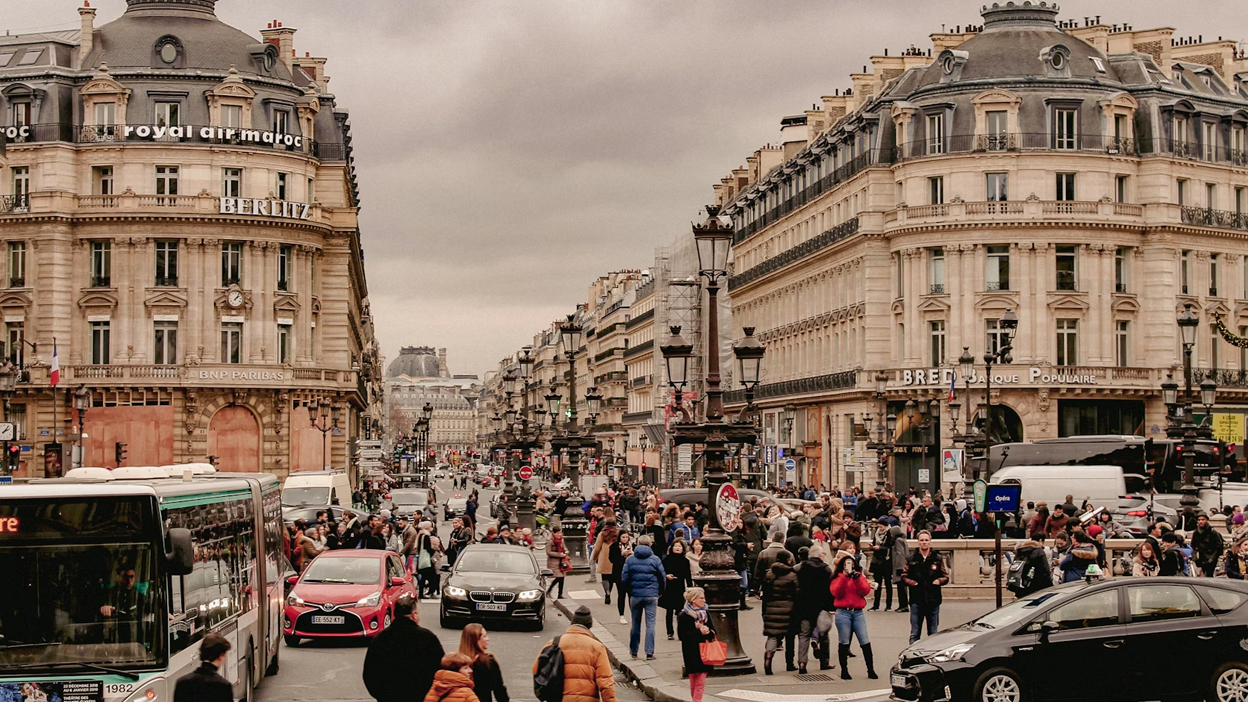
Paris is generally safe, but like many major cities, it requires common sense and vigilance, especially in tourist-heavy areas.
Common Scams Explained
- Fake petitions or street “charity” approaches: Scammers use these to distract you and steal wallets or phones.
- Distracting street performers: They might insist on tips after brief interactions. If uninterested, politely decline and walk away.
- Overpriced airport taxis: Always use official taxi ranks or trusted ride-hailing apps to avoid inflated fares.
Practical Safety Tips
- Keep bags and valuables secure, preferably in front of you or zipped.
- Avoid displaying expensive cameras, jewelry, or phones in crowded spots.
- Use trusted transport and be cautious when strangers offer unsolicited help.
Following these Paris travel tips ensures you stay safe while exploring.
Getting Around Paris: Transportation Tips
Navigating Paris efficiently is key to a smooth trip. Here’s a breakdown of transportation options, helping plan your Paris itinerary.
Metro: Fast and Efficient
The Metro is the quickest way to cover large distances. Purchase multi-day passes like the Paris Visite card or carnets of 10 single tickets for savings. Always remember to validate tickets at entry to avoid fines.
Walking: Discover Hidden Gems
Many central neighborhoods—Le Marais, Latin Quarter, Saint-Germain—are small and highly walkable. Exploring on foot reveals charming streets and unexpected sights.
Ride-Hailing Apps vs Official Taxis
Apps like Uber and Bolt offer convenience and often lower prices than traditional taxis. Taxis remain reliable but may require waiting in lines, especially at busy times.
When to Choose Each Mode
- Use the metro for longer distances.
- Walk when exploring local streets and neighborhoods.
- Take a taxi or ride-hailing app when tired, carrying luggage, or traveling late at night.
Accessibility Note
Metro stations often lack elevators or escalators, challenging for travelers with mobility issues. Buses and taxis may be better options in these cases.
Best Time to Visit Paris
Choosing when to visit Paris impacts your entire trip. Here are Paris travel tips for timing.
Optimal Seasons: Spring and Early Fall
Spring (April to June) and early fall (September to October) offer mild, pleasant weather with fewer crowds and open outdoor terraces—a perfect combination for exploring.
Summer: Festivals and Crowds
Summer brings warm weather and lively festivals but also larger crowds and longer lines at main attractions.
Winter: Holiday Charm and Cold Days
Winter offers festive markets and cozy indoor culture but comes with cold weather and shorter daylight hours.
Visiting Paris by Season: What to Expect
Break down your planning by what each season brings to the Paris experience.
Spring
Blooms in gardens like the Jardin des Tuileries and Luxembourg make spring enchanting. Café terraces fill up, and the mild climate suits long walks.
Summer
Open-air cinemas and bustling street festivals give summer a vibrant energy. Later sunsets allow evenings outdoors but prepare for peak tourists.
Fall
Foliage along the Seine and in parks paints the city in rich colors. Cultural events abound with fewer crowds than summer, ideal for relaxed exploration.
Winter
Festive lights glow across the city with charming Christmas markets on Champs-Élysées and La Défense. Museums are quieter, but don’t forget warm clothing for chilly days.
Visiting Paris with Kids or Senior Travelers
Paris is generally friendly for families and seniors but requires thoughtful planning.
Accessibility Challenges
The pedestrian-friendly city features cobblestone streets and many stairs. Metro stations often lack elevators, posing difficulty for those with mobility issues.
Alternative Transport
Consider using buses or taxis that are easier for seniors or kids to manage.
Plan Breaks
Schedule frequent stops in parks or cafés to rest legs and recharge.
Family-Friendly Spots
Choose slower-paced neighborhoods like Le Marais or quieter parks for comfortable exploring.
What to Expect in Paris (Pros and Cons)
Before you visit, weighing the city’s highlights and challenges helps set expectations.
Pros
- Rich cultural heritage with stunning museums and architecture.
- World-class food scene—from casual bistros to Michelin-starred restaurants.
- Charming neighborhoods full of character and vibrant street life.
- Frequent markets, festivals, and outdoor events that enliven streets.
Cons
- Crowds at major tourist spots, especially in summer.
- Paris can be expensive for food, accommodation, and transportation.
- Some locals may seem brusque if politeness is lacking.
- Tourist-heavy areas sometimes feel over-commercialized.
Consider if the city’s dynamic buzz fits your travel style for the best experience.
Conclusion
Paris remains an unparalleled destination where timeless culture meets lively modern neighborhoods. This Paris travel guide has aimed to help you explore the best places in Paris beyond the obvious landmarks and discover the real city ebb and flow.
Embrace Paris’s unique pace, charming quirks, and social rituals for an unforgettable visit. For a full trip plan, consider pairing this guide with detailed accommodation suggestions and bespoke Paris itineraries.
Whether you seek history, cuisine, art, or simply the joy of wandering, Paris promises endless things to do in Paris that will capture your heart again and again.
Bon voyage!