

New York City is a fast-paced, energetic metropolis known worldwide for its chaotic yet captivating vibe. From the moment you step into the city, you’ll feel its heartbeat—busy streets, towering skyscrapers, and a vibrant mix of cultures all fused into one dynamic urban experience. This comprehensive New York City travel guide is crafted for travelers eager to explore the city’s diversity, nonstop activity, and cultural richness.
Far beyond a typical American city overview, New York City offers unique neighborhoods, iconic landmarks, and multi-layered experiences that can satisfy every kind of traveler. Whether you love arts, food, parks, or historic sites, this guide will point you to the best places in New York City and suggest the top things to do in NYC. Read on for practical tips, safety advice, and detailed insights to help you plan an unforgettable trip.
Best Places to Visit in New York City

When we say “best places,” we mean neighborhoods and landmarks that represent NYC’s rich, varied character rather than a long list of tourist spots. Here are some essential areas to explore in this New York City travel guide.
Manhattan (Midtown & Downtown)
Manhattan is the heart of NYC and arguably the starting point for most first-time visitors. Midtown Manhattan buzzes with activity. This is the city’s business hub and home to world-famous landmarks such as Times Square, with its dazzling digital billboards; the Empire State Building—an iconic skyscraper offering breathtaking city views; and Rockefeller Center, known for its art deco architecture and seasonal ice rink.
In contrast, Downtown Manhattan carries the city’s historic weight. You’ll find Wall Street, the financial powerhouse of the U.S., the memorial at the World Trade Center site, and lush Battery Park overlooking the Statue of Liberty. Walking between Midtown and Downtown lets you witness NYC’s dynamic spirit: the blend of modern commerce and deep-rooted history.
Brooklyn
Brooklyn showcases a different side of New York City—more creative, relaxed, and local. Neighborhoods like Williamsburg and DUMBO reveal an emerging arts scene with galleries, street art, and trendy eateries. Often overlooked by first-timers, Brooklyn is vital for authentic NYC culture, boasting a vibrant food scene and waterfront views of Manhattan’s skyline.
Central Park
Central Park is an 843-acre urban oasis amid the dense cityscape. This sprawling green space offers a much-needed break from the city rush. Visitors can enjoy walking scenic trails, renting bikes, picnicking in grassy areas, boating on the lake during summer, or ice skating in winter. Central Park’s appeal cuts across all traveler types looking to mix nature with city exploration.
The High Line and Chelsea
The High Line is an elevated park built on old railway tracks on Manhattan’s West Side. This unusual green space features art installations, beautiful gardens, and spectacular views of the Hudson River and city streets. Adjacent Chelsea is a vibrant neighborhood known for its flourishing art galleries and markets such as the Chelsea Market, perfect for a bite.
From culture seekers and nature lovers to foodies, these areas offer the best places in New York City with immersive experiences. The diversity found here echoes throughout the city’s larger landscape.
Things to Know Before Visiting New York City
A solid understanding of NYC’s basics will improve your trip and avoid surprises. This section provides important NYC travel tips to prepare you.
- The Five Boroughs: New York City is split into five boroughs: Manhattan, Brooklyn, Queens, The Bronx, and Staten Island. Manhattan hosts the majority of tourist attractions, but to experience the full city, you should consider visiting other boroughs. Each borough has its own personality and offers distinct cultural experiences—Brooklyn’s hip neighborhoods, Queens’ diverse food scene, The Bronx’s Yankee Stadium and cultural landmarks, and Staten Island’s scenic ferry rides.
- Local Social Behaviors: New Yorkers are famously fast-paced walkers, focused on their goals but generally polite. Small talk is rare, and you’ll often notice locals standing on the right side of escalators to let others pass on the left. Space and pace are culturally respected. Understanding these social norms will help you blend in smoothly.
- Payment Methods and Tipping: Contactless payments, mobile payment wallets (like Apple Pay or Google Pay), and MetroCard/OMNY tap cards are widely accepted. Carrying some cash is still useful for small vendors and tipping. Tipping in NYC is customary and expected: 15-20% at restaurants, bars, and taxis. This practice is a big part of the city’s service culture.
- Language and Diversity: English is the dominant language, but you will hear many languages among NYC’s diverse population. This cultural richness enriches the city but may require patience, especially if locals seem brusque—it’s usually not rudeness but a reflection of the city’s intensity.
These insights are core to this New York City travel guide and essential for making the most of your visit.
Tips for Visiting New York City
To optimize your NYC trip, here are some essential NYC travel tips to keep in mind.
- Timing Your Visits: Visit major attractions like the Empire State Building or museums early in the morning or after 6 PM to avoid crowds and long lines. For example, Brooklyn’s vibe varies dramatically from day to night—daytime offers markets and parks while evenings come alive with bars and music.
- Local Customs: Jaywalking is discouraged and can result in fines. Always stand on the right side of escalators, and move quickly when crossing streets with the walk signal. New Yorkers have little patience for dawdling during busy hours.
- Queues and Security: Security checks, similar to airport screenings, are standard at many museums and theaters. Be patient and expect queues, which move efficiently but slowly so leave extra time.
- Packing: Wear comfortable walking shoes. NYC involves a lot of walking and subway transfers, so footwear is crucial for your comfort.
Use these NYC travel tips alongside this guide to unlock the best things to do in NYC.
Travel and Cultural Mistakes to Avoid in New York City
Mistakes can dampen your experience. Here are common pitfalls to avoid.
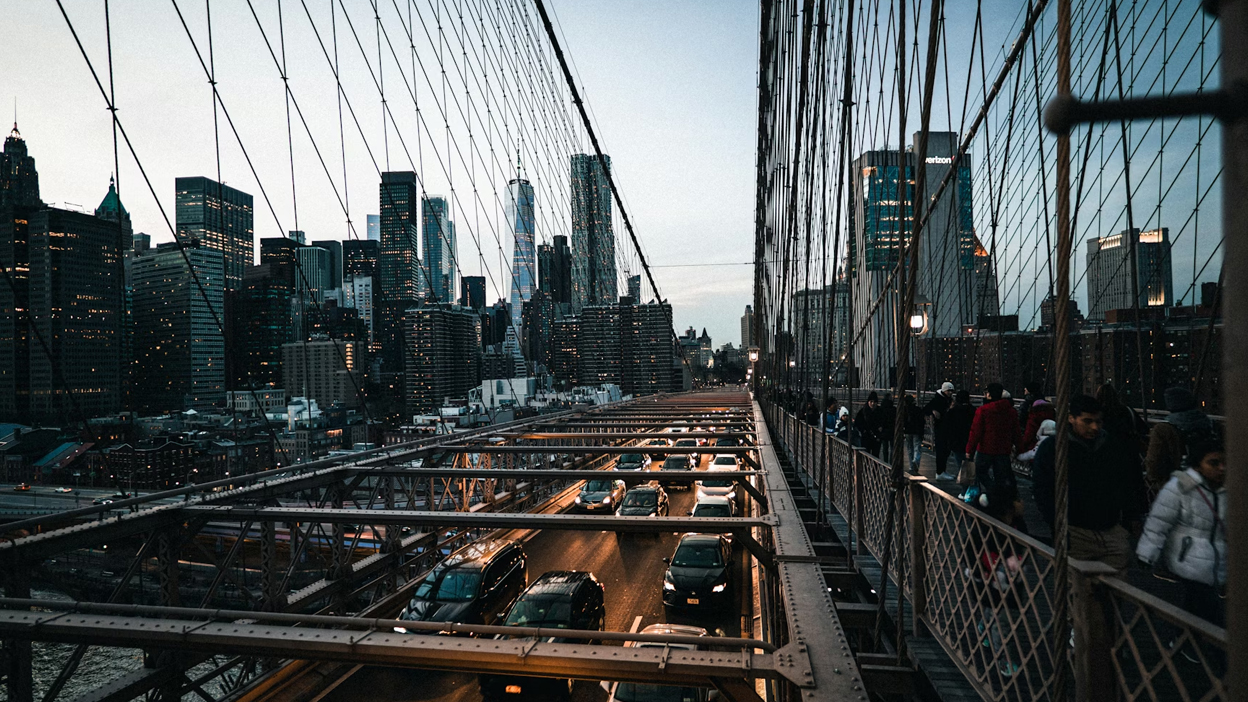
- Avoid Relying on Taxis During Rush Hour: Due to heavy traffic, taxis and ride-hailing cars like Uber and Lyft can be slow and expensive. The subway often offers a faster alternative.
- Don’t Overpack Your Itinerary: Trying to cover multiple boroughs in a single day is unrealistic. NYC’s size demands focusing on a few areas per day for deeper, less stressful exploration.
- Clarify Tipping Expectations: Failing to tip properly can offend service workers. Remember the 15-20% tipping rule where applicable.
- Recognize NYC Is Not Just Manhattan: Focusing only on Manhattan gives a limited view of NYC. Exploring other boroughs leads to richer experiences.
Follow these guidelines in your New York City travel guide to avoid frustrations.
Is New York City Safe? Common Scams to Avoid
New York City is generally safe for tourists, but staying alert is vital.
Scams to Watch For
- Fake charity collectors near Times Square who pressure for donations.
- Overpriced or counterfeit goods sold by street vendors.
- Unsolicited street performers demanding tips.
Safety Tips
Stay alert in crowded areas like subway stations and popular tourist spots. Use only licensed taxis or trusted ride apps, and keep your belongings secure and close at all times. Whenever possible, travel in groups or during daylight hours.
These NYC travel tips will help ensure your visit is both fun and safe.
Getting Around New York City
Transportation is key to enjoying NYC efficiently. Here’s what this New York City travel guide recommends.
- Subway: The subway is the fastest and most affordable way to get around the city. Use the MetroCard or OMNY tap payment system for easy fare payments. Transfers between lines are allowed and usually free within a set time. The subway serves all boroughs, making it essential for most travelers.
- Walking: Tourist-heavy areas like Midtown and Greenwich Village are compact and walkable. However, distances can seem deceptive, so pace yourself and take breaks at cafes or parks.
- Ride-Hailing Apps: Apps such as Uber and Lyft are helpful late at night or for boroughs with fewer subway options. They tend to be pricier and slower during rush hour due to traffic.
- Yellow Taxis: Iconic but often slow in heavy traffic, taxis can be convenient for short rides or if you prefer not to navigate public transit in busy hours.
A smart combination of walking, subways, and rides will maximize your time and budget.
Best Time to Visit New York City
Choosing when to visit affects your experience dramatically.
- Spring (April–June): Spring features pleasant weather and blooming parks. Crowds are lighter, making it ideal for first-time visitors. Outdoor activities flourish at this time.
- Fall (September–November): Fall brings crisp air and colorful foliage, especially in Central Park. Cultural events like film festivals and parades enrich your visit.
- Winter (December–February): Winter is cold, sometimes snowy, but the holiday spirit shines through with festive lights and ice skating at Rockefeller Center.
- Summer (July–August): Summer offers rooftop bars, street festivals, and energetic street life. It can be hot and humid, which might be uncomfortable for extensive outdoor walking.
Spring and fall are generally the best all-around seasons for your New York City travel guide experience.
Visiting New York City by Season
Let’s explore seasonal highlights to enrich your trip.
- Spring: Enjoy blooming flowers in parks, open-air cafés, and pleasant city strolls. This season brings mild temperatures and vibrant city energy.
- Summer: Participate in lively street fairs, outdoor concerts, and visit rooftop bars. The city is busy and dynamic, reflecting the peak tourist season.
- Fall: Relish the fall foliage, attend cultural events, and enjoy the mild weather for exploring both urban and natural sites.
- Winter: Experience the festive holiday decorations, ice skating rinks, and cozy indoor activities. Be prepared for cold weather and some seasonal closures.
Each season offers unique things to do in NYC tailored to the weather and atmosphere.
Visiting New York City with Kids or Senior Travelers
NYC’s intensity can be a challenge, but with planning, families and seniors can enjoy great experiences.
Challenges
Crowds and extensive walking might be tiring. Subway cars can be packed, and subway stations aren’t all elevator accessible.
Family-Friendly Activities
Central Park has excellent playgrounds, the Children’s Museum of Manhattan offers interactive exhibits, and the Bronx Zoo provides a fun animal experience. These spots combine entertainment and education.
Recommended Neighborhoods
The Upper West Side is quieter and close to parks. Brooklyn’s Park Slope has green spaces and a relaxed, family-oriented vibe.
These tips assist families and seniors within this New York City travel guide to enjoy safe and memorable visits.
What to Expect in New York City (Pros and Cons)
Pros
New York City stands out for its unmatched cultural diversity, rich arts and performance scenes, and endless food choices—from street vendors to world-class restaurants. It offers countless things to do in NYC, catering to a wide range of tastes. The city’s unique urban energy and spirit are invigorating and inspiring.
Cons
However, NYC can be crowded, noisy, and expensive, with high costs for accommodation and dining. The fast pace may overwhelm travelers seeking a more relaxed trip.
This balanced view helps you decide if the city matches your travel style, rounding out your New York City travel guide knowledge.
Conclusion
This New York City travel guide is designed for energetic, curious travelers who thrive in a bustling environment full of contrasts and cultural layers. The city rewards those ready to dive into its neighborhoods, iconic sights, and diverse food scenes.
Once you understand the city’s basics and cultural insights here, exploring detailed NYC itinerary ideas or specialized posts about things to do in NYC will be easier and more fulfilling.
New York City’s timeless appeal as a travel destination lies in its endless ability to surprise and excite every visitor. Start your adventure prepared, and the city will welcome you with open arms.