
Venice is a city like no other. Its unique charm lies in its waterways, timeless beauty, and captivating atmosphere. If you’re looking for a Venice travel guide that helps you immerse yourself in the city beyond the clichés, you’re in the right place. This guide is crafted for art and architecture lovers, first-time visitors eager to experience a city steeped in culture, and slow travel enthusiasts who want to soak up every detail of Venice’s magic.
This Venice travel guide will take you through the best places Venice has to offer, practical Venice travel tips, and everything you need to know before your trip.
Whether you want to stroll quietly along lesser-known canals or marvel at world-famous landmarks, you’ll find detailed advice here to make the most of your visit.
Best Places to Visit in Venice
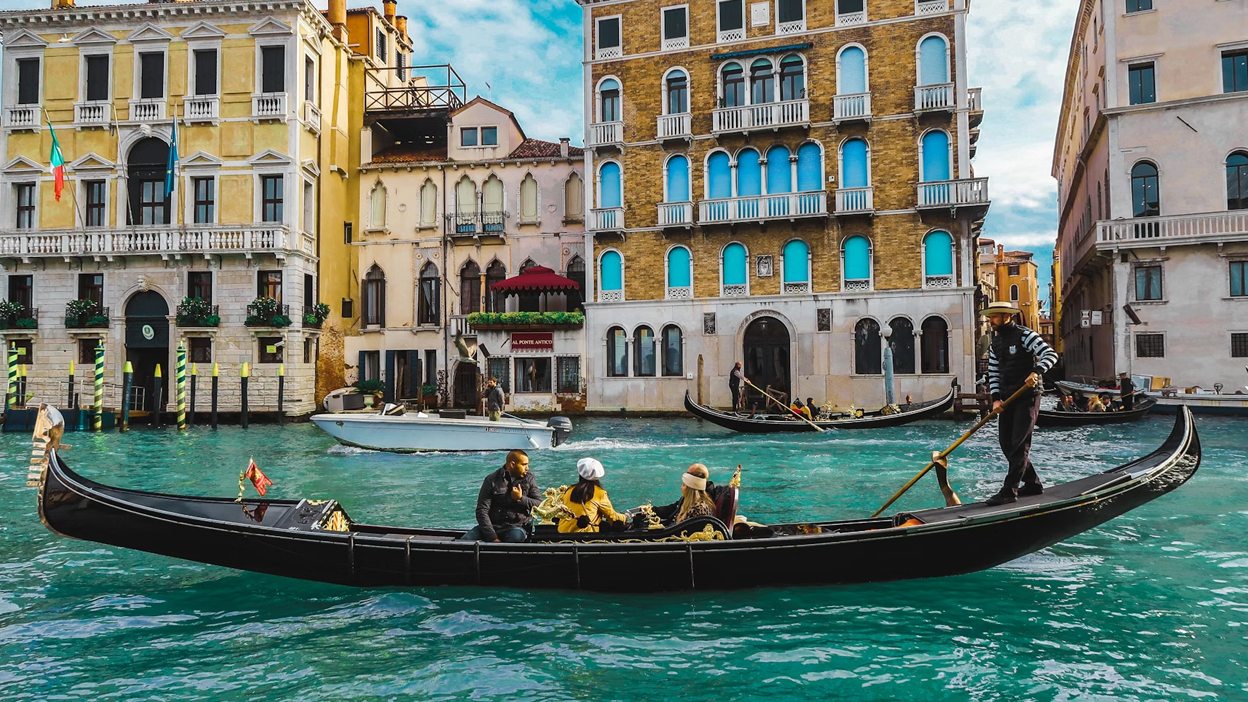
Venice is made up of distinct neighborhoods, each offering a different flavor and cultural vibe. Instead of an exhaustive list, focus on these four main areas as your starting points for exploring the city’s heart and soul. Each has its own appeal depending on your interests, whether that’s art, architecture, or authentic local atmosphere.
San Marco: Iconic Heart of Venice
- San Marco is the centerpiece of Venice and home to the famous St. Mark’s Square (Piazza San Marco) and the stunning St. Mark’s Basilica. This area is a must-see for those fascinated by iconic Venetian art and architecture. The basilica’s golden mosaics and Byzantine influence make it a visual treat.
- San Marco attracts large crowds, so it’s best for iconic sightseeing rather than long lingering. Join early to enjoy the atmosphere before the throngs arrive. This neighborhood represents some of the best places Venice tourists flock to for that quintessential experience.
Dorsoduro: Artistic and Quiet Canals
- Dorsoduro captures Venice’s artistic soul with quieter canals and a relaxed vibe. This neighborhood hosts world-renowned art museums such as the Peggy Guggenheim Collection and the Gallerie dell’Accademia. It’s a perfect area for those who want to experience Venice’s cultural richness without overwhelming crowds.
- If you love museums, galleries, and wandering peaceful streets, Dorsoduro offers a slower yet deeply rewarding experience. It stands out as a highlight among the best places Venice offers for art lovers.
Cannaregio: Authentic Venetian Life
- For a taste of genuine local life, head to Cannaregio. This neighborhood is less touristy and filled with narrow canals, family-run eateries, and a laid-back atmosphere. Cannaregio offers a real sense of how Venetians live daily.
- From charming trattorias serving traditional Venetian dishes to historic Jewish Ghetto sites, Cannaregio is ideal for travelers wanting a local feel. It shows a different side of the city rarely seen by typical visitors.
Rialto: Market Buzz and Bridge Views
- Rialto is famed for the Rialto Bridge and the bustling market nearby. The lively atmosphere here is a snapshot of Venice’s commercial heart, where locals shop for fresh seafood and produce.
- Visiting Rialto gives you a chance to experience Venice’s energetic local commerce in action. If you want to enjoy vibrant market scenes alongside classic Venetian architecture, Rialto is where to be. It’s one of the top things to do in Venice for a lively, authentic experience.
Things to Know Before Visiting Venice
Before setting foot in Venice, it helps to understand the city’s unique setup and cultural nuances. This section covers essential Venice travel tips to prepare you for the city’s special charms and challenges.
Unique Geography and Transportation
Venice is different from any other city because it is built on water. The city has no cars or roads, only canals, narrow alleys, and pedestrian bridges. Getting around is mainly by foot or boat, unlike typical urban transport systems. This labyrinthine layout requires patience but rewards curious travelers with countless hidden gems.
Language and Communication
Italian is the official language. In tourist areas, many people speak English, but learning key Italian phrases like “Buongiorno” (Good morning) is appreciated by locals. Politeness goes a long way in Venice, especially in smaller shops and eateries.
Payment Methods
Credit and debit cards are widely accepted in Venice, especially in bigger stores and restaurants. However, smaller shops, local vendors, and traghetti (public water taxis) often prefer cash payment. It’s wise to carry some euros to cover these situations and avoid inconvenience.
Acqua Alta: Venice’s High Water Phenomenon
Venice experiences a natural phenomenon called “Acqua Alta,” which means high water. This causes temporary flooding in some parts of the city, especially along low-lying walkways and near the Grand Canal. It can impact walking routes and timings. Waterproof boots and checking water level forecasts can help you stay dry and flexible during these periods.
This Venice travel guide ensures you’re well-prepared for these unique features, making your trip smoother and more enjoyable.
Tips for Visiting Venice
Following practical tips can transform your visit from overwhelming to delightful. Use these Venice travel tips to tailor your trip for comfort and authentic experiences.
Best Times of Day for Popular Spots
Early mornings are the ideal time to visit iconic locations like San Marco and Rialto. You’ll avoid large crowds and enjoy the peaceful atmosphere of these famous squares and bridges.
Seasonal Timing
Off-peak or shoulder seasons, particularly spring (March to May) and fall (September to November), are recommended for fewer tourists, moderate weather, and enjoyable strolls through the city.
Local Etiquette to Respect
Be aware Venice has specific local rules. For example, feeding pigeons in St. Mark’s Square is illegal and heavily fined. Keep noise to a minimum near churches, ensuring respectful behavior in these sacred spaces. Observing local customs shows respect and enhances your welcome.
Footwear Recommendations
Venice’s cobblestone streets and frequent pedestrian bridges call for comfortable, sturdy walking shoes. Choose footwear that can handle uneven surfaces and occasional wet patches during Acqua Alta.
These Venice travel tips will help you navigate the city smartly and respectfully.
Travel and Cultural Mistakes to Avoid in Venice
To make the most of your visit, avoid common pitfalls that many tourists fall into.
Don’t Limit Yourself to San Marco Alone
While San Marco is iconic, restricting your visit to this bustling square means missing out on Venice’s deeper charms. Explore lesser-known neighborhoods such as Cannaregio or Dorsoduro for a more authentic experience.
Buyer Beware: Avoid Overpriced Souvenirs
Souvenir shops near major landmarks often charge inflated prices. Look for artisan workshops or smaller local markets offering genuine handcrafted items. This practice supports local artists and offers better quality keepsakes.
Understand Local Dining Customs
Venetian meal times are usually lunch from 12:30 to 2:30 pm and dinner from 7:30 to 10 pm. Tipping is limited but rounding up the bill is appreciated for good service. Dining outside these windows can limit your choices or lead to closed kitchens.
Be Mindful of Noise and Behavior
Loud or disruptive behavior, especially near churches or residential areas, disrupts local tranquility. Keep voices low and be courteous to locals enjoying their daily lives.
Adhering to these Venice travel tips ensures a smooth, enjoyable, and respectful visit.
Is Venice Safe? Common Scams to Avoid
Venice is generally a safe city for tourists, with low rates of violent crime. Still, awareness can keep your trip hassle-free.
Common Scams and How to Avoid Them
- Be cautious of street vendors offering unauthorized gondola rides at inflated prices. Legitimate gondoliers usually operate from official stations with set rates.
- Watch out for fake menus or bars off the beaten path charging exorbitant prices for drinks or snacks. Checking menus before ordering and avoiding suspicious establishments helps protect your wallet.
Book Through Reputable Sources
Always book gondola rides and tours via authorized vendors or well-reviewed agencies. This guarantees fair prices and reliable service.
Check Prices Before Ordering
- In cafes and restaurants, reviewing the menu and prices carefully before ordering prevents unexpected high bills.
- With these Venice travel tips, you’ll enjoy a safe and scam-free experience throughout your stay.
Getting Around Venice
Understanding Venice’s unique transit options is key to efficient exploration.
Walking: The Best Way to Explore
Venice is best explored on foot. Walking allows you to discover intimate streets, secret corners, and picturesque bridges impossible to appreciate from water alone.
Vaporetto: Public Water Bus
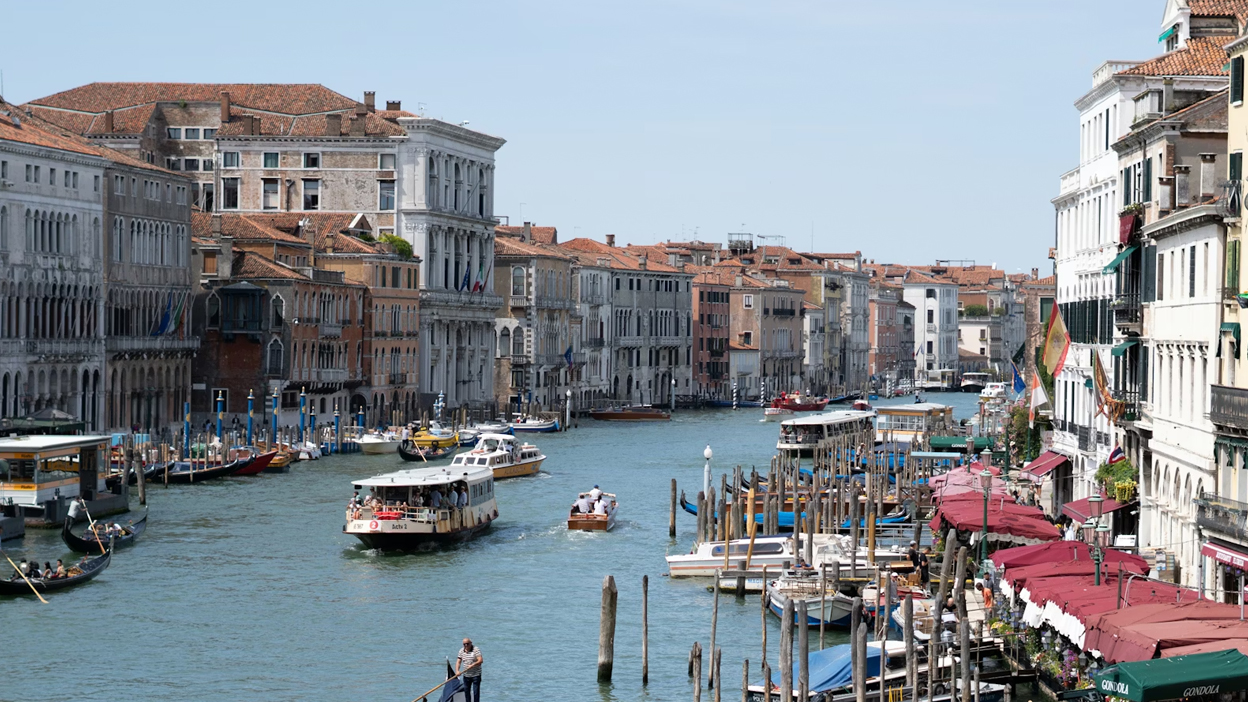
The vaporetto is Venice’s main public water transport system. It connects major neighborhoods and attractions along the Grand Canal and beyond. Tickets can be purchased at vaporetto stops or online. Popular lines include Routes 1 and 2, ideal for sightseeing by water.
Private Water Taxis and Gondolas
Private water taxis and gondola rides are expensive and suited for special occasions or transfers rather than everyday travel. Save your budget by walking or using the vaporetto for most journeys.
Spontaneous Discoveries on Foot
- Venice rewards spontaneous explorers. Getting off the beaten path and wandering on foot leads to unique encounters and memorable moments.
- In this Venice travel guide, understanding these transport choices will help you navigate intelligently and enjoy every moment.
Best Time to Visit Venice
Choosing when to visit Venice significantly shapes your experience. This Venice travel guide highlights the ideal seasons and conditions for different traveler preferences.
Spring and Fall: Top Recommendations
Spring (March to May) and fall (September to November) are the best times to visit. These seasons offer mild weather, manageable crowds, and lively cultural calendars with festivals and events.
Winter: Quiet and Atmospheric
Winter is quieter with a moody atmosphere created by foggy mornings and crisp air. Lower accommodation prices make it budget-friendly, though some attractions may have shorter hours, and weather can be cold and rainy.
Summer: Hot and Crowded Yet Lively
Summer attracts peak tourist volumes. Expect higher temperatures and busy streets. This season is ideal if you enjoy vibrant street life, open-air events, and nightlife despite the crowds.
These Venice travel tips help you choose the optimal timing based on what you want from your visit.
Visiting Venice by Season
Each season offers a distinct experience of Venice’s character and charm.
Spring: Blossoms and Festivals
Venice blooms into life during spring. Flowers brighten the city, and festivals like Festa della Sensa celebrate Venetian traditions. The moderate tourist density makes it pleasant for walking and sightseeing.
Summer: Peak Season Buzz
Summer brings the most tourists. Outdoor concerts, lively nightlife, and cultural events abound. However, expect long queues and crowded landmarks, so plan ahead.
Fall: Cool, Calm, and Photogenic
Fall sees cooler temperatures and fewer visitors. The autumn light is perfect for photography, and the calm ambiance invites relaxed exploration.
Winter: Quiet and Mysterious
Winter is the most peaceful season. Early fogs create atmospheric views, and fewer crowds allow for a more intimate connection with the city. Some museums or shops may close earlier, but the tranquility is rewarding.
This Venice travel guide encourages you to select a season that matches your travel style and expectations.
Visiting Venice with Kids or Senior Travelers
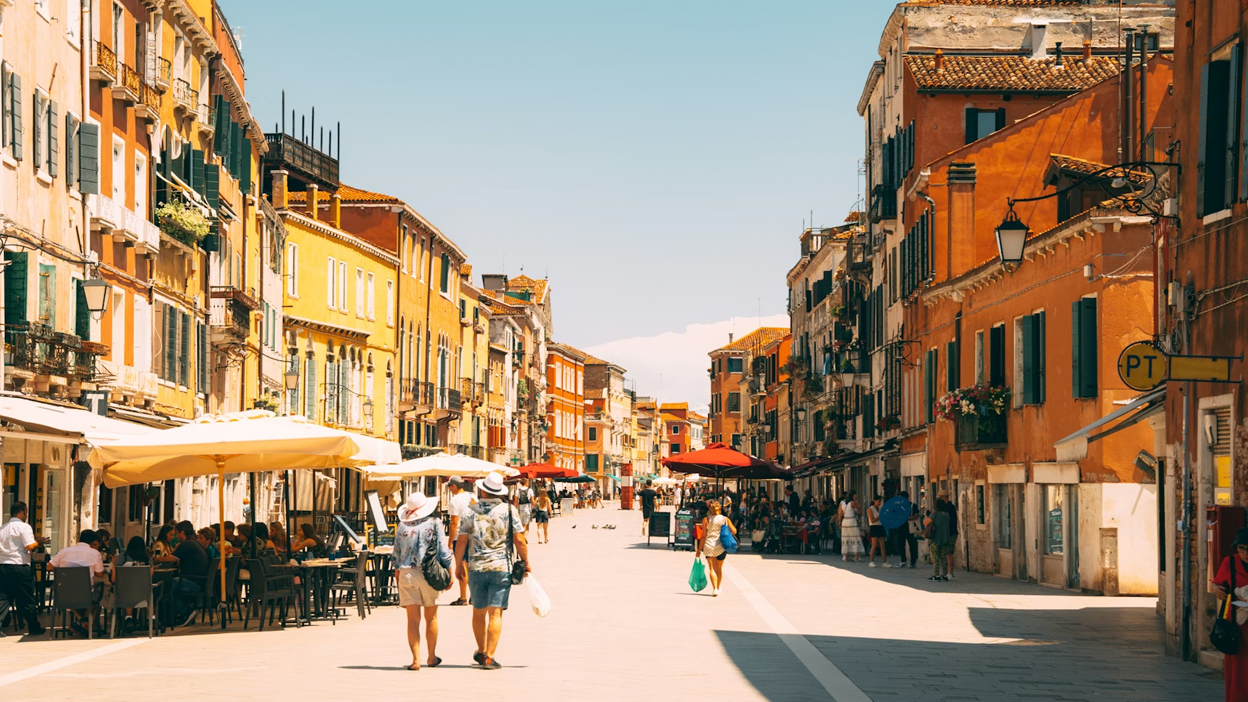
Venice’s accessibility presents both opportunities and challenges for families and seniors.
Walkability and Challenges
Venice is a walkable city but has many bridges without ramps and uneven cobblestone paths. This can be difficult for those with mobility issues or young children.
Family- and Senior-Friendly Neighborhoods
Dorsoduro is recommended for families and seniors because of its quieter streets and accessible museums. This area tends to be less crowded and easier to navigate.
Using Vaporetto to Reduce Walking
Taking advantage of the vaporetto water buses can reduce walking strain and help reach key sights comfortably.
Child Safety Near Canals
Care should be taken near canals with small children as water edges have limited barriers and crowded conditions require vigilance.
Following these Venice travel tips will help families and seniors enjoy the city with greater ease and safety.
What to Expect in Venice (Pros and Cons)
Understanding the positives and challenges of Venice helps you set realistic expectations for your trip.
Pros of Visiting Venice
- Rich history and exceptional architecture at every turn.
- Romantic, scenic canals that create a one-of-a-kind atmosphere.
- Compact and walkable city ideal for slow travel and discovery.
- Outstanding local cuisine and charming cafés.
- Unique cultural experiences from art galleries to centuries-old traditions.
Cons of Visiting Venice
- Overcrowding at peak tourist times can detract from the experience.
- Higher prices on food, lodging, and some services compared to other Italian cities.
- Occasional flooding from Acqua Alta disrupts certain areas and routes.
- The city’s labyrinth can be confusing for first-time visitors to navigate.
This honest appraisal within the Venice travel guide supports travelers in weighing their own interests and travel style.
Conclusion
Venice is the perfect destination for anyone seeking art, history, scenic beauty, and a slower pace of exploration. This Venice travel guide aims to equip you with everything needed for a rich, authentic experience in this magical city.
To deepen your journey, explore our other blog posts offering detailed Venice itineraries, local things to do in Venice, and practical Venice travel tips for a seamless trip.
Planning with knowledge of Venice’s quirks and culture ensures your visit will leave you with unforgettable memories and a true appreciation of the city of canals.