

French Guiana stands as a hidden jewel in South America, where vibrant cultures mingle with vast, untamed nature. This off-the-beaten-path destination offers travelers an extraordinary mix of lush rainforests, diverse communities, and coastal charm. Far from the usual tourist trails, it beckons adventurers and culture seekers alike. This French Guiana travel guide will help you explore the rich experiences waiting here—from thrilling rainforest adventures and friendly indigenous encounters to relaxing seaside towns.
While French Guiana’s natural beauty and cultural variety are remarkable, visiting does come with some logistical challenges. Transportation can be limited, and internet connectivity fluctuates, especially in remote areas. But with proper planning, these minor hurdles become part of the adventure. Read on to discover the best places French Guiana offers, practical travel tips, cultural customs, and a detailed itinerary that makes your journey enjoyable and smooth.
Best Places to Visit in French Guiana
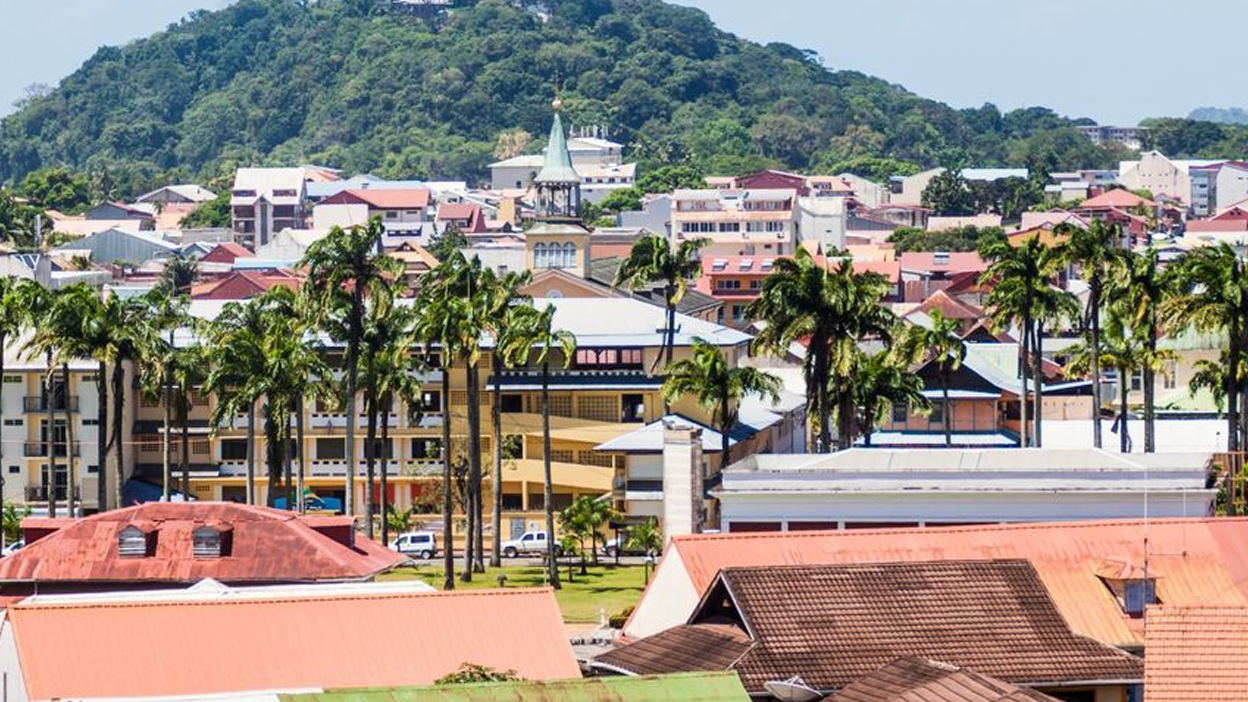
Choosing where to go in French Guiana means deciding between contrasting landscapes and experiences. From lively urban centers infused with Creole culture to serene rainforests and river valleys, each destination reveals a different facet of the country’s charm.
Cayenne: The Cultural Hub
As the capital city, Cayenne pulses with urban vibrancy and Caribbean energy. The streets blend French colonial architecture with lively markets, where Creole influences shine through in food, music, and everyday life. Cayenne is an excellent base to experience local cuisine, bustling markets, and cultural festivals.
Kourou: Space Center and Coastal Town
Kourou is known worldwide as the home of the Guiana Space Centre. Yet beyond its high-tech space launchpads, it offers laid-back coastal vibes with palm-lined beaches and fishing villages. Visitors find a fascinating mix of science and nature, with seaside strolls and possibilities to glimpse space launches.
Maroni River Region: Indigenous Communities and Riverine Life
The Maroni River runs along the western border, unveiling tranquil river valleys and traditional villages. This area is rich in indigenous culture, primarily inhabited by the Wayana and other Amerindian peoples. The river’s slow pace invites visitors to immerse themselves in local traditions and nature.
Interior Rainforest Areas: Pristine Nature and Adventure
Much of French Guiana’s interior is dense tropical rainforest, home to abundant wildlife and biodiversity. Remote jungle villages and research camps offer opportunities for hiking, birdwatching, and learning about the Amazon ecosystem. The thick canopy and sounds of the wild create an unforgettable, immersive nature experience.
Other Notable Regions
Saint-Laurent-du-Maroni offers historic significance with its colonial past, while coastal towns like Apatou provide insight into multicultural communities shaped by Amerindian, Maroon, and Creole influences. Each region presents new aspects of French Guiana’s diverse landscapes and lifestyles.
This variety of best places French Guiana hosts ensures that your French Guiana itinerary can be rich and varied. Whether you prefer city energy, beach relaxation, or inland wilderness, there is plenty of choice to craft a memorable trip.
Things to Know Before Visiting French Guiana
Understanding local conditions before you arrive makes a big difference. This section offers essential travel tips French Guiana visitors should keep in mind.
Language Diversity
French is the official language across the territory. However, many communities also speak regional Creole dialects and indigenous languages. This diversity enriches the cultural fabric but may affect communication, especially in remote areas. Learning a few simple French or Creole phrases will enhance your experience and facilitate interactions.
Currency and Payments
French Guiana uses the Euro (€), as it is an overseas department of France. Expect prices to be generally higher than neighboring countries in South America. Most urban areas accept credit cards, but in rural regions, cash becomes important. ATMs are available in major towns like Cayenne and Kourou but are scarce elsewhere. Plan accordingly to avoid inconveniences.
Tipping Customs
Tipping is appreciated but not strictly mandatory. In restaurants, leaving around 5-10% is common if service is good. For taxi rides, rounding up the fare or a small gratuity is polite. Tour guides also welcome tips as a sign of gratitude but won’t expect large sums. This flexible approach suits travelers who want to be courteous without pressure.
Connectivity Considerations
Internet and mobile phone service can be inconsistent outside urban centers. Travelers often face challenges acquiring SIM cards that work well across the region. It is advisable to purchase a local SIM card in Cayenne or Kourou to maximize connectivity during your trip. Plan for limited coverage when exploring remote rainforests or river areas.
These travel tips French Guiana visitors heed will help smooth their journey and deepen appreciation of local life.
Cultural Customs Tourists Should Know
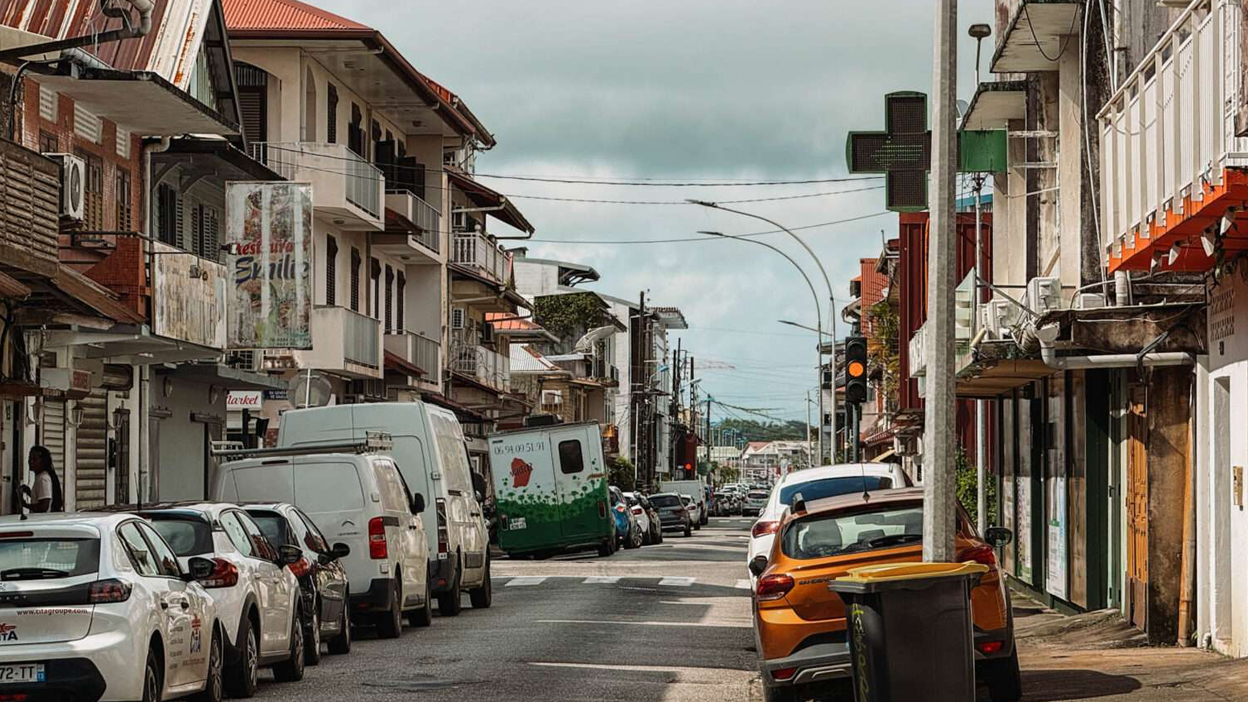
Respect for local culture builds better travel experiences. Understanding French Guiana’s social norms ensures you engage appropriately and enjoy meaningful connections.
Greetings
In urban and mixed settings, a handshake is a standard greeting, often firm and brief. In more casual or Creole-influenced contexts, cheek kisses are common—typically two, one on each cheek. Among close acquaintances or indigenous groups, other rituals may apply. Observing and following locals is the best approach.
Social Norms and Respect
Respecting indigenous communities is vital. Visitors should show politeness, ask before photographing people or private spaces, and avoid behaviors that might disrupt traditional practices. French Guiana’s society values courtesy and decorum, particularly where cultural traditions remain strong.
Dress Code Expectations
In cities like Cayenne, casual, comfortable Western clothing is typical. However, when visiting rural or indigenous communities, modest dress is respectful—covering shoulders and knees is recommended. For rainforest excursions, lightweight, breathable clothing that protects against insects and sun is practical and culturally considerate.
Awareness of Differences
Cultural practices vary widely. Urban areas may feel relaxed and informal, whereas rural regions maintain stricter customs and slower rhythms. Travelers should remain sensitive and open-minded, recognizing that what is acceptable in one place may be inappropriate elsewhere.
Integrating these travel tips French Guiana travelers follow promotes respect and richer interactions.
Common Scams Tourists Should Avoid in French Guiana
Like all travel destinations, French Guiana has a few pitfalls. Awareness helps visitors protect themselves while enjoying their trip.
Taxi Fare Overcharging
Unofficial taxis or those without meters may charge inflated fees. To avoid this, always use licensed cabs in urban areas and agree on prices upfront. If a taxi driver refuses a meter or the fare seems unreasonable, consider another option.
Currency Exchange Issues
Informal money changers may offer poor rates or counterfeit notes. Always use official currency exchange offices or withdraw Euros from verified ATMs. Avoid exchanging money on the street or from strangers.
Inflated Prices for Tours and Souvenirs
Some local sellers may quote inflated prices for tours or souvenirs to tourists unaware of typical costs. Research beforehand, compare prices, and negotiate politely but firmly. Booking tours through reputable agencies or your hotel reduces risk.
By following these travel tips French Guiana visitors keep scams to a minimum and travel smarter without fear.
Travel Mistakes to Avoid in French Guiana
Avoid common errors to maximize your trip’s success and comfort.
Underestimating Travel Times
Road conditions are often poor, and public transport options limited. Distances that appear short can consume much time. Rushing itineraries may cause missing key experiences. Plan extra travel time and consider arranging transport in advance for remote destinations.
Being Unprepared for Climate
French Guiana’s tropical climate is hot and humid year-round. Packing breathable, moisture-wicking clothing and drinking plenty of fluids prevents discomfort and health issues. Sun protection and insect repellents are essential.
Ignoring Cultural Sensitivity
Disregarding local customs, especially in indigenous communities, can cause offense. Take time to learn protocols, show respect, and listen to local guidance. Sensitivity fosters goodwill and deeper cultural exchange.
Poor Health Preparation
Vaccinations such as yellow fever are mandatory or strongly recommended. Mosquito-borne illnesses pose risks. Bring insect repellent and consider malaria prophylaxis. Staying hydrated and using water purification methods are equally important.
Using these travel tips French Guiana visitors adopt helps avoid frustration and enriches their overall voyage.
Best Time to Visit French Guiana
Timing your trip can influence what you see and experience.
Wet Season (December to July)
The wet season brings frequent, heavy rains that can limit travel to some areas and make outdoor activities challenging. Flooding and muddy trails may restrict access to remote sites, particularly in rainforest zones.
Dry Season (August to November)
The dry season offers drier weather, easier transport, and better conditions for hiking, wildlife spotting, and beach visits. This period is ideal for first-time travelers aiming to explore broadly.
Regional Weather Variations
Coastal zones sometimes receive more rainfall than interior regions. River valley weather fluctuates with tides and seasons. Always check detailed forecasts matched to your planned itinerary.
Following these travel tips French Guiana visitors choose the best window for their interests and abilities.
A Simple Itinerary for First-Time Visitors
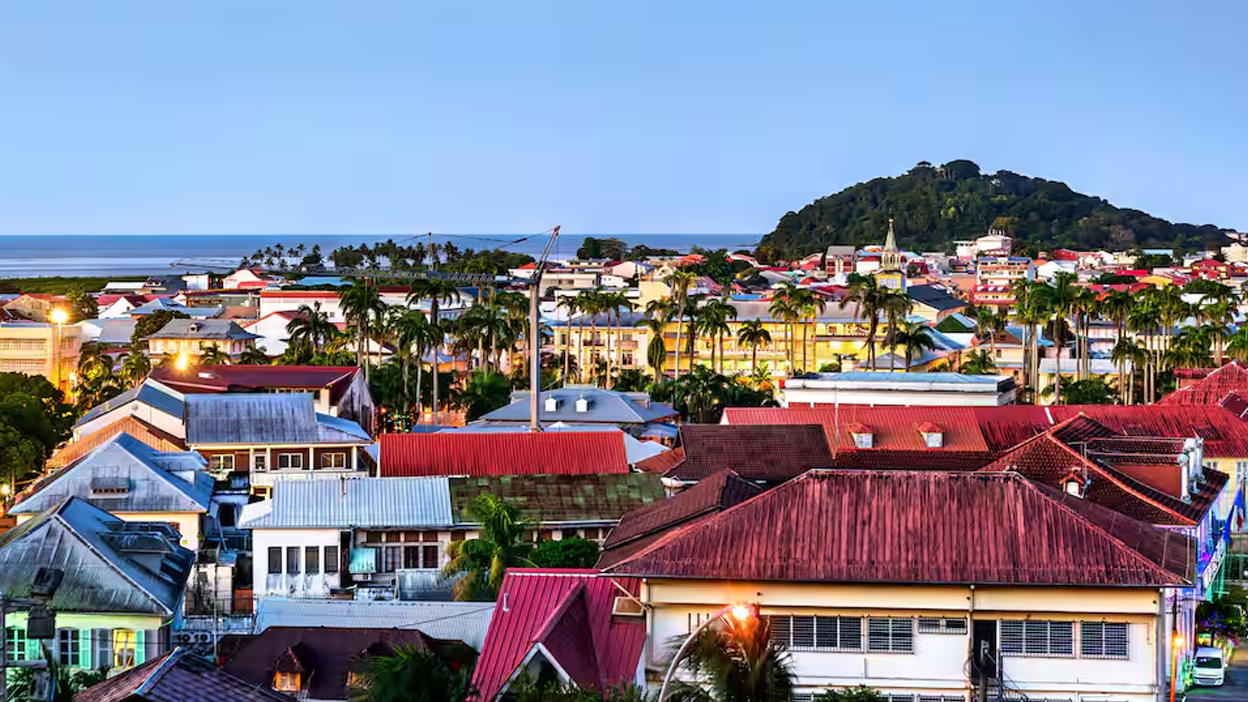
Here is a flexible 7-14 day itinerary to balance culture, nature, and adventure in French Guiana.
Days 1–3: Cayenne
Explore urban culture with markets, local cuisine, and museums. Engage with friendly locals and soak up the diverse atmosphere.
Days 4–6: Kourou and Coast
Visit the Guiana Space Centre to witness rocket-launch history. Relax on beaches, enjoy seafood, and visit fishing villages.
Days 7–10: Maroni River Region
Move inland along the Maroni River for hiking, canoe trips, and indigenous community visits. Experience traditional riverine life and nature.
Optional Days 11–14: Interior Rainforest
For avid adventurers, extend your trip to explore remote rainforests, wildlife reserves, and eco-lodges. This grants deep immersion in French Guiana’s biodiversity.
Allow buffer days for travel between areas due to infrastructure limitations. Prioritize destinations based on interest—whether cultural immersion or nature exploration. This French Guiana itinerary offers a comprehensive introduction, leaving room to customize.
Major Cities and Regions in French Guiana
Understanding key locations helps tailor your trip.
Cayenne
The bustling capital brims with colonial charm, busy markets, and cultural diversity. It’s the best place to experience French Guiana’s Creole identity firsthand.
Kourou
Known globally as a spaceport town, Kourou combines scientific importance with coastal relaxation. It serves as a gateway to beaches and space enthusiasts.
Saint-Laurent-du-Maroni
This historic town on the western Maroni River marks a former penal colony site. The atmosphere is quieter, defined by river trade and cultural fusion.
Interior Rainforest Zones
From the dense jungle to indigenous villages, the interior offers pristine nature and traditional lifestyles. Access is limited but rewarding for ecotourists and cultural travelers.
Each place contrasts sharply in accessibility, activities offered, and ambiance. Being aware allows adjustments in your itinerary for a trip that fits your travel style perfectly.
French Guiana Travel Checklist
Prepare these essentials to thrive in French Guiana’s unique environment.
- Insect repellent: Choose formulas effective against mosquitoes that can transmit diseases.
- Breathable, sturdy clothing: Pack lightweight long sleeves and trousers for sun and insect protection.
- Vaccinations: Yellow fever vaccine is mandatory. Consult with health professionals for malaria prophylaxis and other shots.
- Local SIM card: Buy on arrival in Cayenne or Kourou for better cellular coverage.
- Euros in cash: Bring small denominations; ATMs can be scarce in remote areas.
- French and Creole phrasebook or translation app: Facilitates communication outside urban centers.
- Hydration tools: Reusable water bottles and purification tablets or filters prevent illness.
Focusing on these country-specific items ensures readiness and comfort. These travel tips French Guiana visitors trust make all the difference.
Conclusion
French Guiana offers an extraordinary travel experience through its tapestry of cultures and breathtaking natural landscapes. Whether you seek the energy of Cayenne’s markets, the mystery of rainforest trails, or the charm of coastal villages, this hidden gem blends French, Creole, and indigenous influences in a way few places can match.
With thoughtful preparation and an open heart, your journey here becomes unforgettable. Use this French Guiana travel guide as a solid foundation to dive deeper into specific regions and craft your adventure—discovering not just the sights but the soul of French Guiana. Embrace the adventure and uncover one of South America’s most rewarding undiscovered destinations.