


Suriname is a unique South American destination that offers travelers a vibrant cultural mix, lush tropical landscapes, and an off-the-beaten-path appeal unlike anywhere else on the continent. This small country is defined by a fascinating blend of indigenous, African, Asian, and European influences, creating a cultural tapestry that is both distinctive and intriguing for visitors.
For first-time visitors, navigating this rich diversity might seem challenging, but the rewards for those who explore deeply are immense. This Suriname travel guide is designed to demystify the country’s attractions, offering you the essential things to do in Suriname, cultural insights, and practical travel tips Suriname visitors need to plan their trip confidently.
Whether you are drawn to Suriname’s lively cities, pristine coastal zones, dense rainforests, or welcoming rural communities, this guide will help you uncover the best places Suriname has to offer, avoid travel pitfalls, and enjoy a safe and satisfying adventure.
Best Places to Visit in Suriname: Discover Suriname’s Diverse Regions
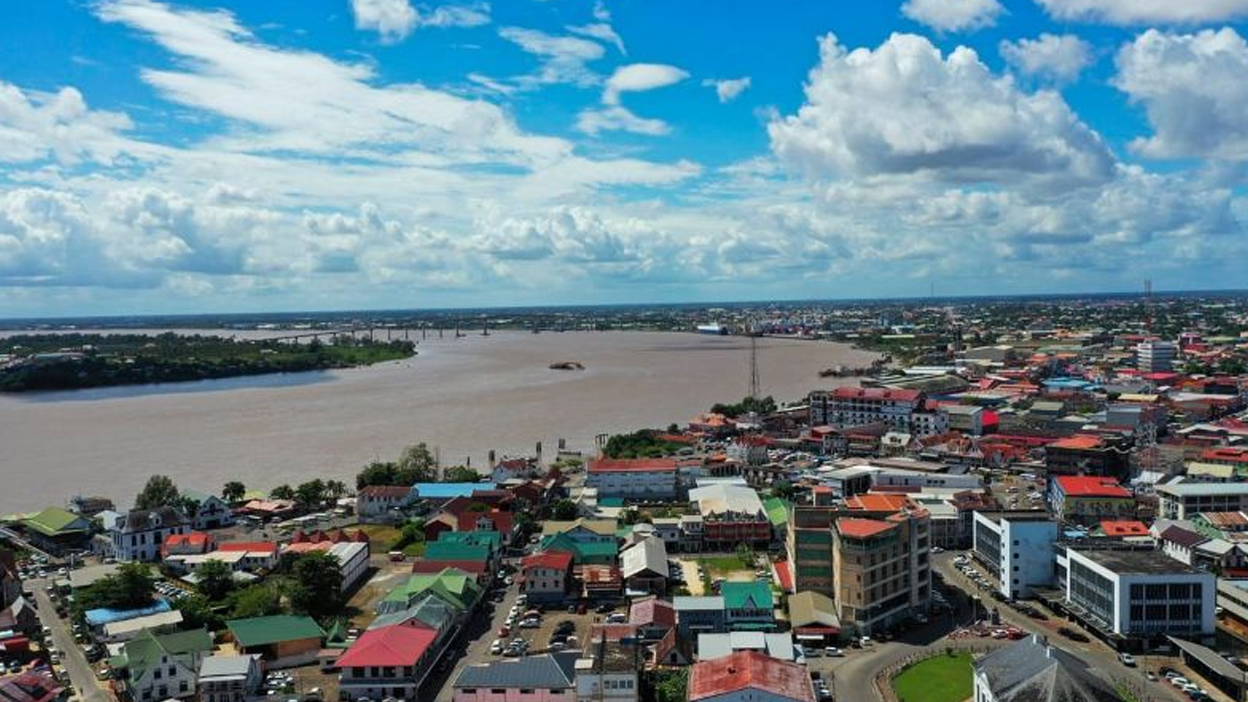
Suriname’s geography and culture are as varied as its people, making its regions uniquely appealing for different types of travelers. To help you plan your Suriname itinerary, we break down five broad regions that represent the country’s rich tapestry without overwhelming you with landmark lists.
The Capital City: Urban Cultural Melting Pot
The capital stands as Suriname’s cultural and historical heart, where colonial Dutch architecture lines the streets and colorful markets bustle with energy. This is the prime hub for experiencing Suriname’s multicultural essence, a vibrant blend of people from indigenous, African, Asian, and European backgrounds living side-by-side.
This urban center is perfect for those interested in history, art, and the culinary delights of Suriname’s diverse communities. The lively culture here is a microcosm of the country, offering visitors a vibrant start to any Suriname itinerary.
Coastal Areas: Beaches and Unique Ecosystems
Suriname’s coastline is characterized by relaxed, laid-back vibes, beautiful sandy beaches, and unique coastal ecosystems such as mangroves teeming with birdlife. These regions are ideal for nature lovers who want to see the country’s natural beauty outside the urban buzz.
The coastal ecosystems here are ecologically important and offer scenic tranquility while allowing visitors to learn about the interplay of Suriname’s land and water environments.
Interior Rainforest Regions: Biodiversity and Indigenous Communities
Penetrating the interior of Suriname reveals dense, tropical rainforests famous for their remarkable biodiversity. These areas are home to indigenous communities that maintain traditional ways of life far from modern urban centers.
For travelers keen on jungle treks, wildlife spotting, and cultural immersion, the interior offers an authentic glimpse into Suriname’s natural heritage and ethnic traditions.
Riverine Communities: Life Along the Waterways
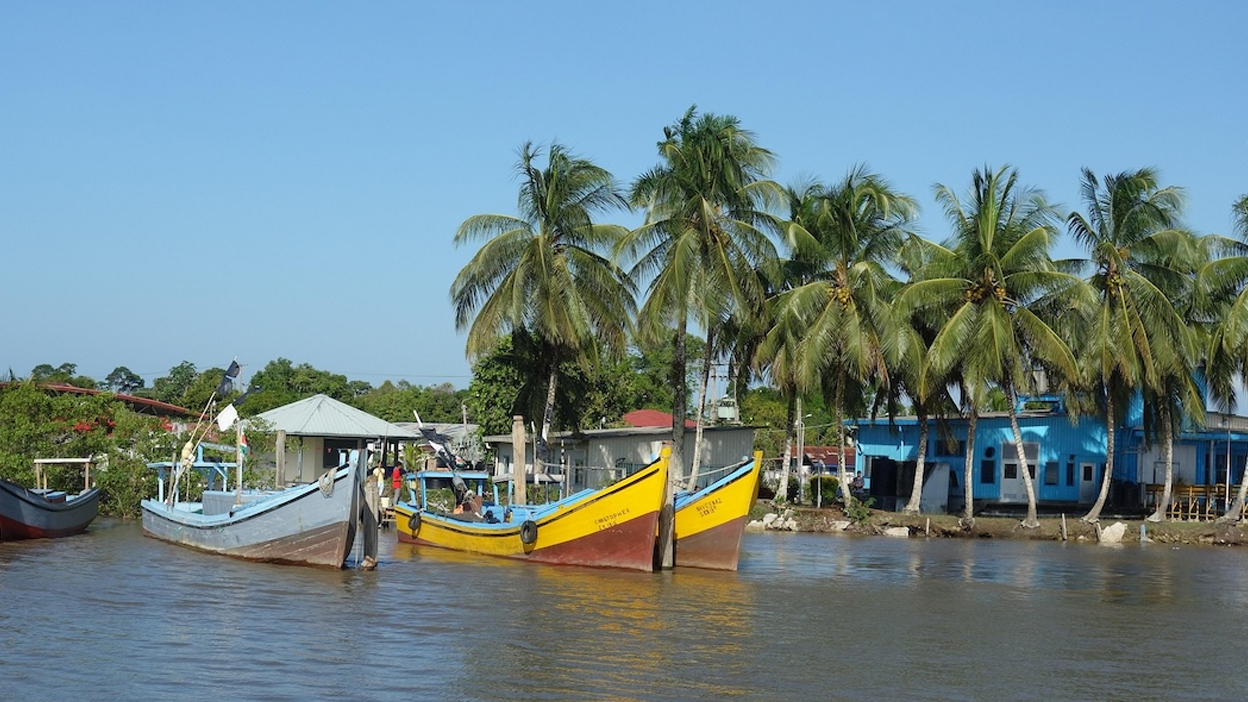
The many rivers of Suriname support riverine communities that provide a window into local daily life largely untouched by mainstream tourism. Visitors can observe traditional fishing methods, river transport culture, and the laid-back rhythms of life by the water.
Exploring these areas offers a different, more intimate way to experience Suriname, focused on connection to nature and authentic human stories.
Small Towns and Rural Villages: Traditional Lifestyles and Handicrafts
Outside the bigger cities and river hubs, small towns and rural villages allow travelers to see genuine Surinamese lifestyles. These places showcase local handicrafts, agricultural practices, and traditions that remain largely free from commercial tourism influence.
Visiting these rural communities provides an enriching perspective on everyday life in Suriname, highlighting the nation’s cultural depth.
Best places Suriname has a lot to offer in these diverse regions, and each delivers unique things to do in Suriname that enrich your Suriname itinerary.
Things to Know Before Visiting Suriname: Essential Suriname Travel Guide Tips
Before you pack your bags, it’s crucial to understand some practical aspects of traveling in Suriname. This section highlights key travel tips Suriname visitors should have on their radar.
- Language: Dutch is the official language of Suriname, spoken in government, education, and media. Alongside Dutch, Sranan Tongo (a Creole language) is widely used as a lingua franca. Indigenous languages thrive in various communities, while Hindi and Javanese remain significant among ethnic groups of Indian and Indonesian descent. English is less common but is increasingly used in tourism-related services, especially in hotels and urban centers. Familiarizing yourself with basic Dutch or Sranan Tongo phrases can enhance your travel experience.
- Currency and Payments: The Surinamese Dollar (SRD) is the local currency. While major hotels and shops may accept credit cards, many smaller businesses and markets operate on cash only. ATMs are mostly available in the capital and larger towns, so carry sufficient cash when exploring remote areas. Using official money exchange venues helps avoid counterfeit bills—which can occasionally circulate, especially in informal markets.
- Tipping Customs: Tipping in Suriname is appreciated but not strictly obligatory. In tourist sectors, small tips for waitstaff, taxi drivers, and tour guides are customary. Usually, rounding up or giving 10% is sufficient to acknowledge good service without overdoing it.
- Connectivity and Internet: Mobile SIM cards can be purchased in city centers, offering data plans suitable for basic internet use. Internet access is generally reliable in urban areas but tends to be slower or less available in the interior and remote places. Travelers should prepare by downloading offline maps and travel apps to maintain navigation and information access during expeditions away from strong signals.
- Transportation: In cities, taxis and minibusses provide common and affordable transport options. For interior travel, river transport is essential, with boats connecting remote communities. Renting a car is possible but requires caution: road conditions vary greatly outside urban areas and can be affected by weather, especially during the wet season.
- Safety Tips: Suriname is relatively safe, but visitors should exercise vigilance, especially by avoiding isolated areas at night and safeguarding valuables in crowded places. Staying aware of your surroundings helps ensure a trouble-free experience.
For a successful trip, these travel tips Suriname travelers rely on is fundamental, forming the core of any comprehensive Suriname travel guide.
Cultural Customs Tourists Should Know: Respect Surinamese Traditions

Understanding local customs enriches your visit and fosters respectful interactions. Here are key cultural practices every tourist should know.
Surinamese Greetings
Polite handshakes with a warm smile are the typical greeting. Eye contact is informal but respectful. Common phrases include “Hallo” (hello in Dutch) and “Kon Misi” (hello in Sranan Tongo). Greeting locals in their language is seen as courteous and appreciated.
Social Norms and Dress Code
In rural and indigenous areas, conservative dress is valued, reflecting traditional values. In cities, casual but neat clothing is generally acceptable.
Respect is paramount during religious and ethnic festivals—observe without interrupting sacred activities. Also, be sensitive to personal space and avoid intrusive questions about beliefs or politics.
Communication Style
Surinamese people are warm, friendly, and open to questions. However, punctuality is flexible, and social gatherings may start later than scheduled. This relaxed attitude is normal and helps avoid frustrations when meeting locals.
Common Misunderstandings
Tourists accustomed to stringent schedules or formal etiquette might find Suriname’s laid-back pace challenging. Embracing local rhythms leads to a smoother and more enjoyable experience.
Including these cultural considerations as part of your travel tips Suriname can significantly improve your stay and is critical in any well-rounded Suriname travel guide.
Common Scams Tourists Should Avoid in Suriname: Protect Yourself with These Travel Tips
While Suriname is generally safe, tourists should be aware of common scams to avoid unpleasant surprises.
Taxi Overcharging: In some cases, taxi drivers may quote inflated prices or refuse to use meters. This is especially true for uninformed tourists unfamiliar with local fare norms.
Tip: Always agree on the fare before starting the ride. Use official taxis when possible.
Unofficial Tour Operators: Some informal providers pressure visitors into booking excursions that might be unavailable or subpar.
Tip: Book tours only through reputable agencies, hotel desks, or trusted travel companies.
Counterfeit Currency: Fake bills occasionally appear in informal markets and among street vendors, causing disputes and financial loss.
Tip: Exchange money only at official currency exchange offices or banks and check your change carefully.
Crowded Market Vigilance: Pickpockets may operate in busy tourist hotspots.
Tip: Stay alert, keep valuables secured, and avoid flashing large amounts of cash or expensive gadgets.
These insider travel tips Suriname visitors need to know are essential components of a thorough Suriname travel guide aimed at keeping your journey smooth and secure.
Travel Mistakes to Avoid in Suriname: How to Plan for a Smooth Trip
Avoiding common errors makes your Suriname visit more satisfying.
Underestimating Travel Time and Weather
Travel between the capital and interior regions can take longer than expected due to road conditions and seasonal rains.
Plan extra time for transfers and monitor weather forecasts, especially during the wet season.
Ignoring Local Languages and Customs
Not learning basic greetings or being unaware of cultural sensitivities may cause inadvertent offense.
Prepare by researching key phrases in Dutch and Sranan Tongo and familiarize yourself with local customs to respect traditions fully.
Logistical Errors
Relying exclusively on card payments can leave you stranded in places that do not accept plastic.
Securing reliable transportation before arrival and ensuring you have all necessary documents—including visas and vaccination certificates—are vital steps.
Adhering to these travel tips Suriname forms a solid foundation for an effective Suriname travel guide that can prevent avoidable frustrations.
Best Time to Visit Suriname: When to Plan Your Trip
Suriname has a tropical climate featuring two main seasons:
Wet Season
Typically lasting from April to August and November to December, this period includes heavy rains that may cause travel delays or restrict access to some remote areas.
Dry Season
From February to April and August to November, the dry season offers easier travel conditions for the interior, hiking trails, and outdoor excursions.
Regional Weather Nuances
Coastal zones may experience higher humidity and scattered showers even in the dry season, while the interior often enjoys more stable weather, making it ideal for wildlife spotting and cultural tours.
For the best experience, planning your visit during the dry season aligns with most travel tips Suriname experts recommend and suits this Suriname travel guide.
A Simple Itinerary for First-Time Visitors: Making the Most of Suriname
Here’s a flexible Suriname itinerary suggestion for a 10-day trip that covers key aspects of the country.
Days 1–3: Capital City Exploration
Start with the bustling urban core to soak in colonial architecture, multicultural neighborhoods, diverse cuisine, and vibrant markets. This period helps you acclimate and appreciate Suriname’s cultural mosaic.
Days 4–6: Coastal and Riverine Regions
Next, shift to the coast or riverside communities to enjoy relaxed beach atmospheres, birdlife, mangroves, and authentic fishing village life.
Days 7–10: Interior Rainforest Adventure
Spend the final days venturing into the jungle for indigenous cultural experiences, hiking, and close encounters with Suriname’s rich biodiversity.
Optional Extension
Add days for rest or deeper exploration based on personal interests, always allowing flexibility to accommodate road or weather conditions.
This itinerary balances adventure, culture, and relaxation while highlighting the best places Suriname offers and valuable things to do in Suriname.
Major Cities and Regions in Suriname: Choosing Your Travel Style
Capital City
The capital is a cosmopolitan hub blending colonial heritage with modern diverse communities. The vibe is energetic and welcoming, ideal for urban exploration.
Smaller Cities and Towns
These serve as gateways to nature reserves and cultural enclaves. Atmospheres vary—from peaceful and rural to lively and bustling—catering to different traveler preferences.
Interior Towns
Interior settlements reflect traditional lifestyles, offering immersive cultural and natural experiences. These places move at a slower pace and maintain strong ties to indigenous customs.
Choosing from the best places Suriname based on your interests and preferred style will help tailor an ideal Suriname itinerary.
Suriname Travel Checklist: What to Pack and Prepare
To ensure a well-prepared trip, here’s a comprehensive checklist aligned with key travel tips Suriname:
- Insect repellent: High-DEET formula recommended due to mosquitoes in rainforest and coastal zones.
- Cash: Surinamese dollars for smaller purchases and places that do not accept cards.
- Clothing: Lightweight, breathable fabrics suitable for tropical heat; modest attire especially for rural or indigenous areas.
- Waterproof gear: Rain jacket or poncho for wet season travel.
- Footwear: Sturdy walking shoes for varied terrain.
- Travel documents: Passport, visa if applicable, yellow fever vaccination certificate.
- Electronics: Portable chargers and adapters; download offline maps and transport apps before departure.
- Health essentials: Bottled water for drinking, personal medications, and basic first aid supplies.
Packing smart and planning well using these travel tips Suriname ensures you have all you need for a safe and enjoyable journey, fulfilling the promise of this all-in-one Suriname travel guide.
Conclusion
Suriname is a hidden gem in South America that offers an enriching and rewarding experience for travelers seeking cultural diversity, vibrant urban life, stunning natural beauty, and less commercialized destinations.
This comprehensive Suriname travel guide provides the knowledge and travel tips Suriname visitors need to navigate this unique country confidently and respectfully. Equipped with insights about the best places Suriname has, common travel mistakes to avoid, and practical advice, you can embark on your adventure well prepared.
For deeper exploration, detailed city or regional guides can complement your trip planning, promising unique and unforgettable memories for those willing to explore Suriname’s rich landscapes and multicultural heart.
Get ready to discover a world where culture, nature, and history blend seamlessly—Suriname awaits.