
Norway captivates travelers with its dramatic natural beauty, combining towering fjords, rugged mountains, and the mesmerizing Northern Lights with vibrant urban life. The contrast between the raw wilderness and lively cities makes Norway a unique destination that appeals to all kinds of adventurers. However, the country’s vast distances and changeable weather can pose challenges for visitors. This Norway travel guide is designed to equip you with essential information and practical travel tips Norway that will help you navigate these challenges and make your trip truly unforgettable.
Best Places to Visit in Norway: Explore the Finest Destinations
When planning your journey, knowing the best places Norway has to offer sets the foundation for a rewarding experience. Here’s a look at six key locations, each showcasing different facets of this diverse country.
- Oslo: Norway’s capital bursts with energy and sophistication. The city combines a modern skyline with rich cultural offerings such as contemporary museums, galleries, and bustling neighborhoods. Oslo exemplifies urban charm paired with easy access to nature through surrounding forests and fjords.
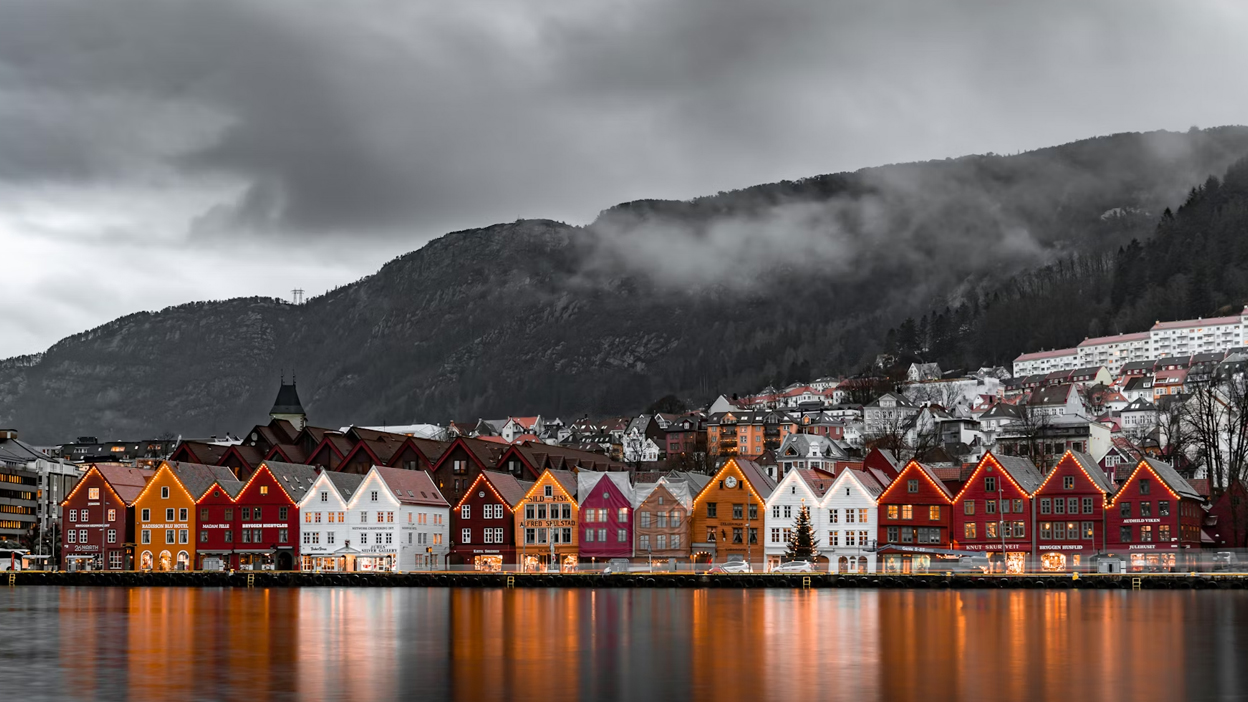
- Bergen: Known as the gateway to the fjords, Bergen is a picturesque coastal city with historic architecture and a colorful harbor area. Its charm is steeped in history, yet it also serves as a lively cultural hub, framing the dramatic fjord landscapes around it.
- Lofoten Islands: These islands boast raw, dramatic scenery featuring steep peaks and deep fjords. Traditional fishing villages dot the landscape, giving a glimpse into Norway’s maritime heritage blended with incredible outdoor adventure opportunities.
- Tromsø: Referred to as the “Gateway to the Arctic,” Tromsø offers the perfect base for Arctic nature experiences. It’s renowned for prime Northern Lights viewing during winter, dog sledding, and its vibrant cultural life despite its remote northern location.
- Stavanger: Stavanger pairs a charming old town with modern energy. It’s a gateway to fjord explorations and rugged coastal hiking. This city offers a balance of small-town coziness and contemporary Norwegian culture.
- Trondheim: A youthful university city known for its lively cultural scene and historic sites, Trondheim offers a unique blend of tradition and modernity in a compact, walkable city.
These destinations reveal the essence of Norway’s contrasts—urban sophistication versus raw nature and traditional lifestyles alongside contemporary progress—giving visitors a complete experience of the country’s richness.
Things to Know Before Visiting Norway
Preparing well ensures your trip flows smoothly. This section covers key practical points for travelers.
- Language: Norway’s official language has two standard forms: Bokmål and Nynorsk. Fortunately, English is widely spoken, especially in cities and tourism hotspots, easing communication challenges.
- Currency & Payments: The Norwegian krone (NOK) is the currency in use. Most businesses, restaurants, and transports accept credit and debit cards, making cash less necessary in urban areas. However, carrying some cash is helpful in remote regions where card use can be limited. To avoid currency exchange fees, use cards designed for foreign transactions.
- Tipping Culture: Tipping is customary but not obligatory. Small gratuities in restaurants or taxis for good service are appreciated but not expected.
- Internet & SIM Cards: Norway’s internet coverage is excellent in cities but can be patchy in rural fjords or mountainous areas. Purchasing a local SIM card with data is advisable if you plan to explore remote regions. Roaming services work but might be expensive.
Knowing these basics helps you adapt quickly and enjoy your adventures without unnecessary stress.
Cultural Customs Tourists Should Know
Being culturally aware enriches your experience and prevents misunderstandings.
- Norwegians typically come across as reserved but are polite and friendly once approached. They value personal space and quietness in public places, so respect for these social norms matters.
- Common greetings include a simple nod or handshake. Avoid loud behavior or public displays of affection, which are less common and may be viewed as intrusive.
- Punctuality is important in Norwegian culture. Being late is considered disrespectful, so plan to arrive on time for meetings, tours, and gatherings.
- Tourist faux pas include speaking loudly, pushing ahead in queues, or taking intrusive photos, particularly in small communities where privacy is valued.
These cultural insights are crucial travel tips Norway travelers benefit from to foster respectful interactions.
Common Scams Tourists Should Avoid in Norway
Norway is generally a safe destination with few scams, but awareness helps avoid minor hassles:
- Overcharging taxis: Always insist that the taxi meter is running or agree on a fixed price before starting the ride.
- Fake charity collectors: Be cautious in tourist-heavy areas; verify legitimacy before donating.
- Pickpocketing: It’s rare but can happen in crowded places. Stay vigilant and secure your belongings.
Simple precautions include using official transport services, avoiding street vendors offering unofficial tickets, and keeping personal items close. These travel tips Norway will keep your trip hassle-free.
Travel Mistakes to Avoid in Norway
To maximize enjoyment and avoid common pitfalls, remember the following:
- Underestimating travel time: Norway’s geography means travel distances can take longer than expected, especially on mountainous roads. Always allow buffer time for connections and unexpected delays.
- Ignoring weather variability: Weather can change quickly—even in summer. Pack and dress in layers to prepare for cold, wind, rain, or sunshine throughout the day.
- Late bookings: During peak tourist seasons, accommodation and transport book up fast. Reserve lodgings and tickets early to avoid disappointment.
- Cultural misunderstandings: Respect local customs and Norway’s environmental ethos. Norwegians take pride in nature preservation and community norms.
Following these travel tips Norway prevents common frustrations and helps you enjoy a smooth visit.
Best Time to Visit Norway
Norway’s seasons offer different attractions, so timing your visit is key.
- Summer: Known for the Midnight Sun, summer days are long and ideal for hiking, fjord cruises, and cultural festivals. This is the peak tourist season.
- Winter: Winter months (November to March) provide opportunities for viewing the Northern Lights, skiing, and other snow activities. Expect cold temperatures and shorter daylight hours.
- Spring and Autumn: These shoulder seasons have fewer tourists and stunning seasonal landscape changes. Spring brings blooming flora, while autumn provides colorful foliage.
Coastal regions are milder and wetter, while inland and northern areas tend to be colder with more snow in winter. For first-timers, late spring through early autumn usually offers the best balance of weather, daylight, and manageable crowds.
This knowledge helps you align your plans with your personal interests and comfort—key advice in any Norway travel guide.
A Simple Itinerary for First-Time Visitors
If it’s your first trip, this flexible 7–14 day Norway itinerary balances urban sights, cultural experiences, and natural wonders.
- Days 1–3: Oslo Explore Norway’s vibrant capital for museums, cultural neighborhoods, waterfront areas, and easy day trips to nearby forests.
- Days 4–7: Bergen and Fjords Head west to Bergen to soak in the historic harbor atmosphere. From there, take scenic cruises on Norway’s world-famous fjords and visit charming small towns.
- Days 8–10: Northern Norway (Tromsø or Lofoten Islands) Venture north to experience Arctic nature. Enjoy wildlife watching, possible Northern Lights, and learn about indigenous Sami culture.
Flexibility is encouraged; swap days or destinations based on preferences or season. The itinerary can expand for longer stays or focus more on nature or city experiences. This plan covers top things to do in Norway while keeping it manageable.
Major Cities and Regions in Norway: What Each Offers
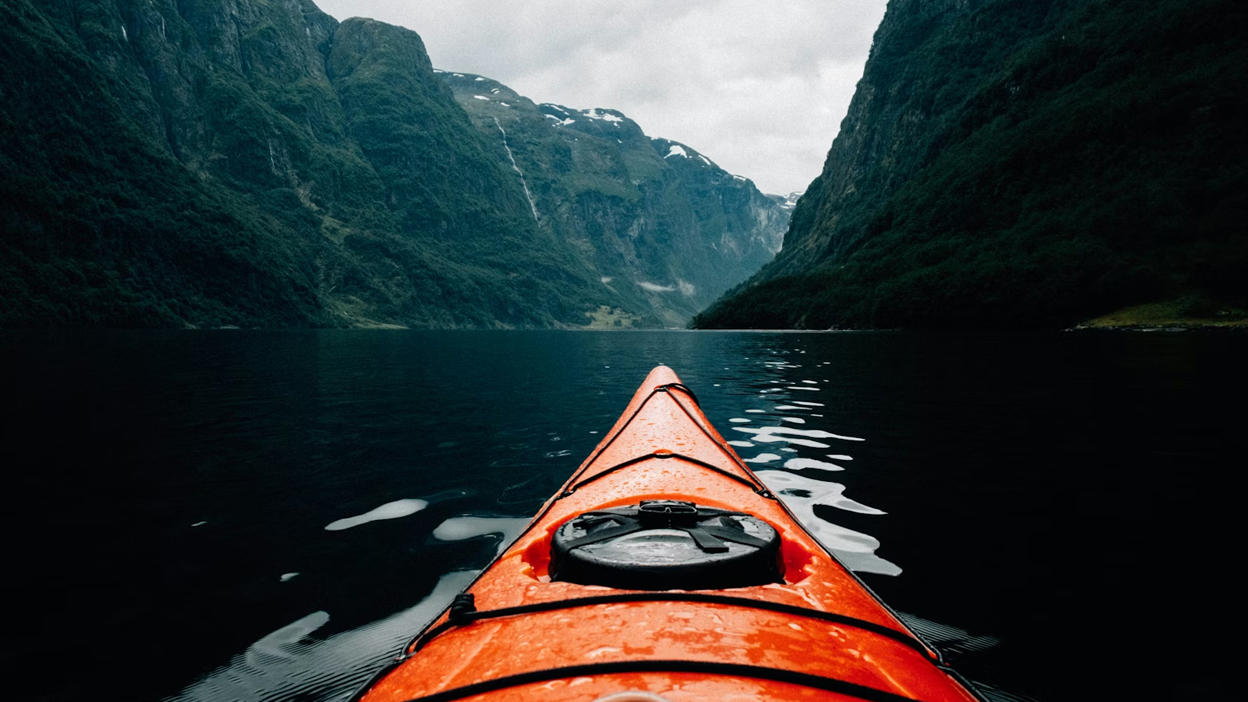
Choosing where to go depends on the type of experience you want:
- Oslo: Norway’s political and cultural heart, offering museums, nightlife, and modern city life.
- Bergen: Fjord gateway with arts, history, and stunning waterfronts.
- Trondheim: University city mixing historic sites like the cathedral with youthful energy and cultural events.
- Stavanger: Old town charm meets rugged coast hiking and fjord access.
- Lofoten Islands: Iconic, wild landscapes with outdoor activities and fishing heritage.
- Tromsø: Arctic capital known for the Northern Lights, winter adventures, and vibrant local life.
Each region offers distinct experiences—urban, coastal, mountainous, or arctic wilderness—making best places Norway a rich list to explore.
Norway Travel Checklist: What to Pack and Prepare
Packing right is essential for Norway’s varied conditions:
- Layered clothing: Include thermal underwear, fleeces, waterproof jackets, and windproof layers for unpredictable weather.
- Footwear: Sturdy, waterproof shoes or boots suitable for both hiking and walking in cities.
- Universal power adapter: Norway uses Type C and F plugs with 230V, 50Hz electricity.
- Offline maps or GPS device: Useful in rural areas where mobile coverage may be inconsistent.
- Travel documents: Don’t forget your passport, travel insurance, and European Health Insurance Card if applicable.
- Medication and health precautions: Prepare for cold weather conditions and possible altitude-related strain, especially if hiking.
Being well-prepared aligns with the most practical travel tips Norway and ensures comfort throughout your journey.
Conclusion
Norway is a travel destination unlike any other, blending stunning natural beauty with rich culture and modern sophistication. This Norway travel guide offers a solid foundation for planning your trip, from choosing the best places Norway has to offer to practical travel tips Norway for navigating the culture and environment. While the country’s weather and distances can pose challenges, embracing them will reward you with unforgettable experiences—whether it’s a midnight hike under the Northern Lights or exploring vibrant city neighborhoods. Use this guide as your starting point, then dive into detailed city and activity information to tailor your own perfect adventure.
Happy travels!