
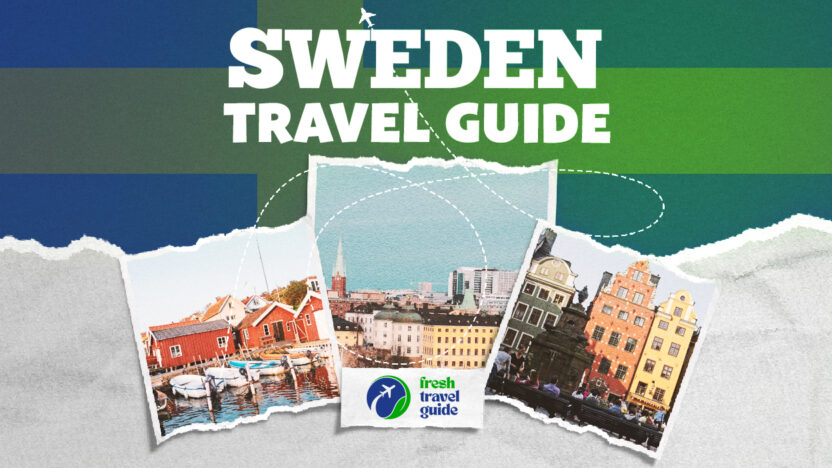
Sweden is a wonderful country with a unique appeal that blends vivid natural beauty and a lively urban scene. From the shimmering waters of the West Coast Archipelago to the sleek design and culture thriving in cities like Stockholm, Sweden offers a range of experiences for every traveler. Nature lovers will marvel at the pristine wilderness of Lapland and the surreal Northern Lights, while city explorers can enjoy historic architecture alongside contemporary art and gastronomy.
However, traveling in Sweden for the first time comes with some challenges. Weather changes dramatically throughout the year, Scandinavian cultural norms might feel reserved or unfamiliar, and although English is widely spoken, there are subtle language nuances to appreciate. Whether you’re curious about the best places Sweden has to offer or need practical advice for navigating the country, this comprehensive Sweden travel guide will walk you through everything — from top sightseeing regions and cultural customs to common travel mistakes to avoid and useful travel tips Sweden.
Best Places to Visit in Sweden: Top Destinations and Things to Do in Sweden
Sweden is vast and varied, with each region offering a distinct atmosphere that shapes your travel experience. To help you get started on your journey, here are some of the best places Sweden boasts — each capturing a different side of the country.
Stockholm: The Metropolitan Heart of Sweden
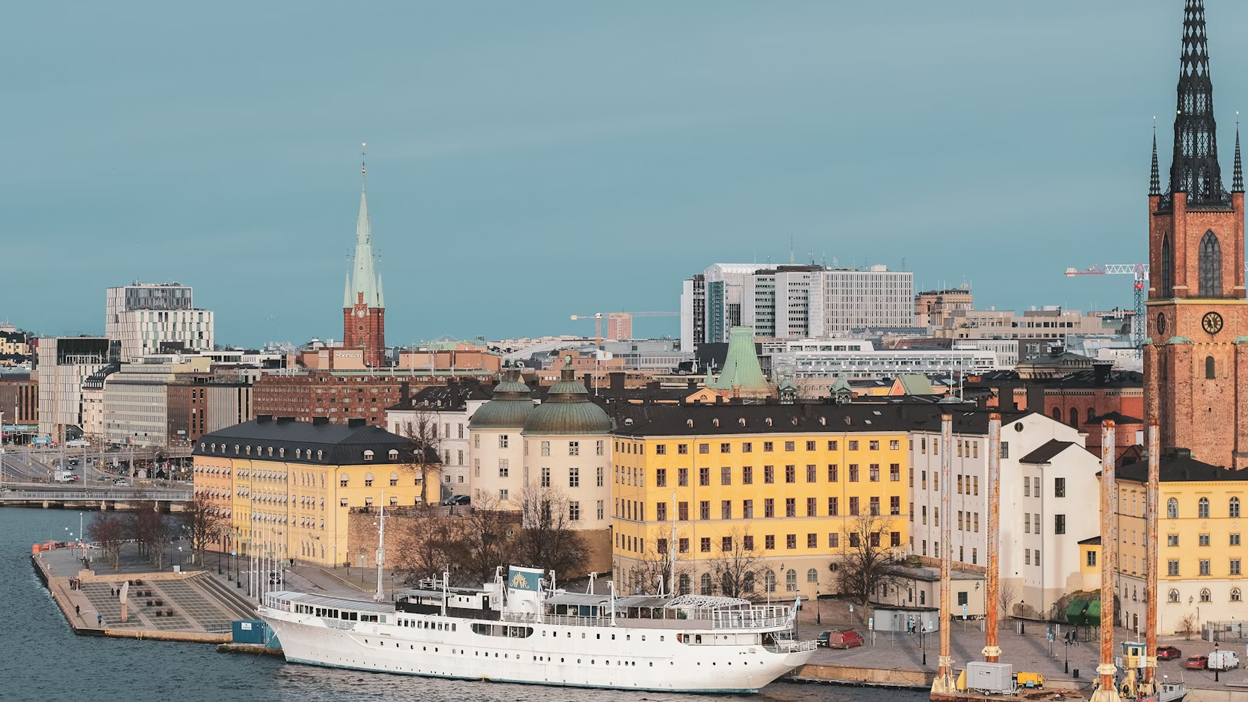
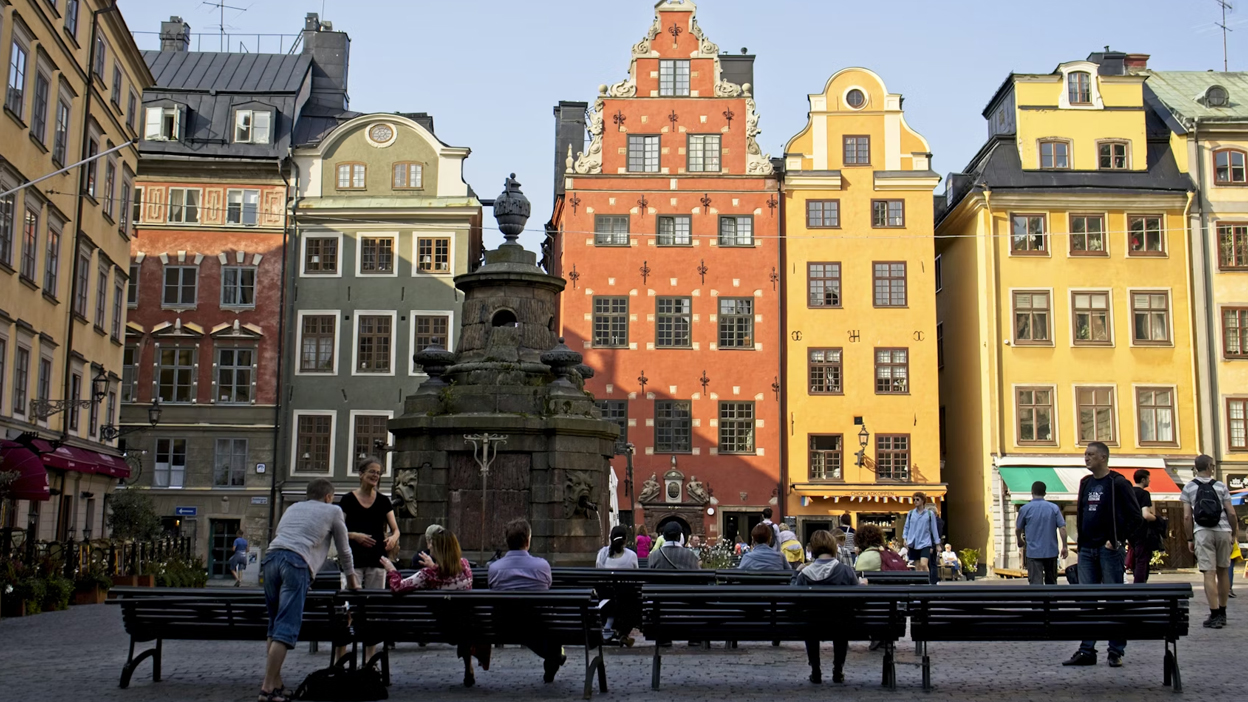
Stockholm, the capital city, is a bustling hub that artfully combines historic charm with modern design. This city nestles on 14 islands connected by bridges, surrounded by sparkling waterways. Explore royal palaces, cobblestone streets, and museums like the Vasa Museum, then dive into vibrant neighborhoods buzzing with innovative restaurants, trendy boutiques, and galleries. Stockholm’s mix of heritage and cutting-edge creativity makes it a must-visit urban destination offering countless things to do in Sweden.
West Coast Archipelago: Laid-back Coastal Relaxation
Stretching along Sweden’s west coast, the archipelago is a peaceful escape of hundreds of islands dotted with quaint fishing villages. Here, the pace slows down—perfect for nature lovers and those seeking calm seaside charm. Enjoy island-hopping by boat, fresh seafood caught daily, and scenic coastal trails. The West Coast archipelago embodies a scenic, relaxed side of Sweden few urban travelers get to experience.
Lapland: The Wilderness and Arctic Wonder
In the far north lies Lapland, a vast wilderness offering an adventurous destination with snowfields, dense forests, and fabled Arctic phenomena. This region is home to the indigenous Sami people and their rich culture. Visitors can try winter sports, witness the ethereal Northern Lights or experience the midnight sun. Lapland captures Sweden’s wild heart and showcases the country’s spectacular natural environment.
Dalarna: Sweden’s Cultural Heartland
Dalarna is famous for its traditional crafts, colorful folk festivals, and authentic rural life. Think painted wooden horses, lively midsummer dances, and handcrafted textiles. This region is ideal for travelers wanting to connect with Sweden’s cultural heritage while enjoying countryside activities like hiking, fishing, and boating.
Skåne: Southern Sweden’s Rural Charm
At Sweden’s southern tip, Skåne presents a landscape of rolling fields, forests, and gabled manors. This area’s pastoral calm contrasts with the excitement of bigger cities, featuring castles, hiking trails, and farm-to-table cuisine. The southern scenery offers an ideal way to experience the peaceful rhythms of Swedish country living.
Each region listed here provides a distinct flavor and highlights the best places Sweden travelers can explore, whether seeking urban adventure, coastal calm, wilderness, cultural richness, or pastoral beauty.
Things to Know Before Visiting Sweden
Before your trip, it’s essential to understand practical details that will help your visit run smoothly and enhance your overall experience.
Language and Communication
While Swedish is the official language, English is widely spoken, especially in cities and tourist areas. However, learning a few basic Swedish phrases can improve interactions and show respect for local culture. Simple greetings like Hej (Hi), Tack (Thank you), and Ursäkta (Excuse me) go a long way.
Currency and Payment
Sweden uses the Swedish Krona (SEK). Although card payments (credit and debit) are accepted almost everywhere, it is wise to carry some cash in case you visit smaller vendors or remote areas where card machines might not work.
Tipping Culture
Tipping is not compulsory in Sweden. Service charges are usually included in restaurant bills, yet leaving a small tip (around 5–10%) is appreciated for good service in restaurants or taxis.
Connectivity
Prepaid SIM cards are readily available and recommended, especially for rural travel. Reliable mobile data will keep you connected when away from city Wi-Fi hotspots.
Other Travel Quirks
Sweden places strong emphasis on environmental responsibility. Recycling and waste sorting are part of everyday life, and you’ll often find separate bins for plastic, paper, and organic waste.
Public transport usage comes with quiet etiquette — avoid loud conversations or phone calls when on buses or trains. Note also the daylight saving time changes that affect traveling schedules.
Understanding these travel tips Sweden ensures you are well-prepared to avoid common pitfalls and enjoy a hassle-free holiday.
Cultural Customs Tourists Should Know
To truly appreciate Sweden and its people, passengers should respect local customs and social behaviors.
Punctuality and Personal Space
Swedes value punctuality highly. Being late, even by a few minutes, is often considered rude. Also, personal space is respected; avoid standing too close or making excessive noise.
Fika Culture: The Coffee Break Ritual
“Fika” is much more than a coffee break — it’s a social institution in Sweden. Typically involving coffee and a sweet treat like a cinnamon bun, fika is a time to pause, connect, and unwind. Participating in fika shows cultural awareness and helps you bond with locals.
Quiet Public Transport
When using buses, trains, or the metro, keep conversations quiet and avoid taking loud phone calls. This respect for others’ peace makes public transport a calming experience.
Language Sensibility
Although many Swedes speak excellent English, it’s polite to start conversations with a Swedish greeting or phrase. This small gesture reflects respect and openness to cultural exchange.
Being mindful of these cultural customs enhances interactions and deepens your visit into Swedish society.
Common Scams Tourists Should Avoid in Sweden
While Sweden is generally safe, being informed helps you travel with assurance.
Taxi Scams
Tourists sometimes encounter overcharging by unofficial taxi drivers at airports or busy locations. Always use official taxi companies or booking apps such as Uber, which operate transparently with fixed-rate fares.
Pickpocketing in Crowded Areas
Like in many tourist hotspots worldwide, pickpocketing can occur in crowded places such as public transport or tourist sites. Stay vigilant by keeping your belongings close, preferably in zipped or anti-theft bags.
Simple Precautions
Verify taxi fares before your trip, avoid unsolicited offers of assistance, and remain alert when in busy public spaces. Applying these travel tips Sweden travelers use will help safeguard your trip.
Travel Mistakes to Avoid in Sweden
Avoid these common errors to ensure a smoother, more enjoyable Swedish adventure.
Underestimating Distances
Sweden is geographically large. Travel between cities or regions may take much longer than expected, so plan transport options carefully and leave plenty of time for connections.
Inadequate Clothing
Sweden’s climate is variable and often chilly, even in summer evenings. Bring layered clothing, waterproof gear, and warm accessories to adapt to rapidly changing weather conditions.
Cultural Missteps
Misunderstanding local etiquette, such as tipping expectations or noise levels, can lead to awkward situations. Remember that Swedish social norms value modesty, quiet in public spaces, and punctuality.
Not Carrying Some Cash
Though card use is widespread, never assume cash won’t be needed; some smaller shops or rural areas may require it.
Following these travel tips Sweden highlights ensures you sidestep frequent traveler headaches and enjoy a respectful, comfortable visit.
Best Time to Visit Sweden
Sweden offers unique experiences year-round. Choosing the right season depends on your interests and activities.
Winter (December – February)
Cold, snowy, and with short daylight hours, winter is great for winter sports, dog sledding, and the magical Northern Lights. This time suits travelers seeking Arctic adventures and festive holiday atmospheres.
Spring (March – May)
As snow melts, Sweden blooms with flowers, and temperatures rise gently. Spring is ideal for exploring cities like Stockholm and enjoying outdoor cafes before the summer crowds arrive.
Summer (June – August)
The most popular time, featuring the midnight sun—24 hours of daylight in the north—and warm weather ideal for hiking, swimming, and island hopping along the coasts.
Autumn (September – November)
Autumn brings colorful foliage and quieter tourist spots. This season is perfect for peaceful scenic drives and tasting local harvests.
Regional weather varies substantially; southern areas like Skåne have milder winters compared to cold Lapland. Generally, late spring to early autumn offers the best balance for most visitors.
A Simple Sweden Itinerary for First-Time Visitors
Planning a well-paced Sweden itinerary can help maximize your experience across the country’s highlights.
Days 1–3: Stockholm Exploration
Start in Stockholm to immerse yourself in Swedish culture, from royal palaces and museums to stylish neighborhoods like Södermalm. Enjoy urban parks, waterfront views, and vibrant restaurants, ticking off plenty of things to do in Sweden.
Days 4–6: West Coast Archipelago Getaway
Head west for island-hopping and coastal relaxation. Explore fishing villages, beaches, and forest trails, indulging in fresh seafood and soaking up laid-back seaside life.
Days 7–10: Lapland Adventure
Venture north to Lapland for wilderness activities—snowshoeing, Sami cultural tours, and perhaps witnessing the mesmerizing Northern Lights or experiencing the midnight sun, depending on your travel timing.
Optional Extra Days: Southern Countryside in Skåne or Cultural Immersion in Dalarna
Extend your trip with serene countryside explorations, outdoor hikes, or folk festivals for a deep dive into rural Swedish traditions.
This Sweden itinerary balances urban life, nature escapes, and cultural insights with travel tips Sweden travelers appreciate.
Major Cities and Regions in Sweden
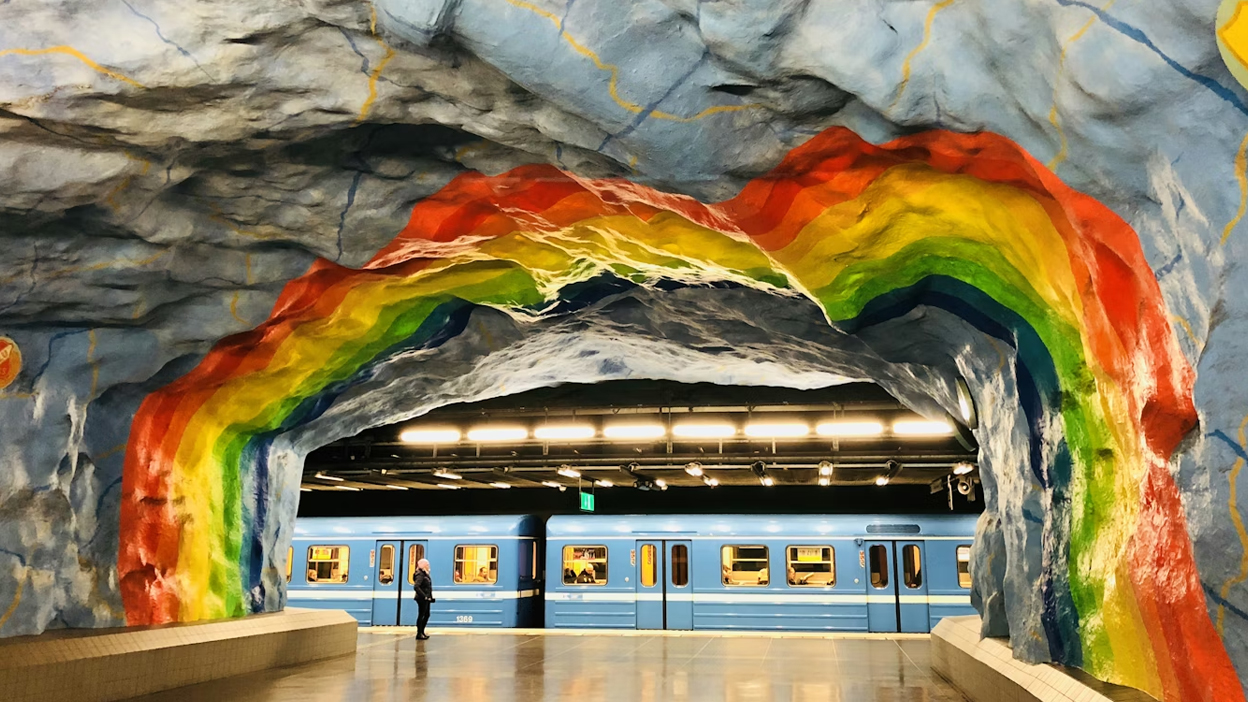
A quick guide to Sweden’s key destinations to aid itinerary planning:
- Stockholm: Sweden’s capital, filled with historic sites, museums, creative arts, and dynamic nightlife.
- Gothenburg: Known for its maritime heritage, innovative food scene, and lively festivals on the west coast.
- Malmö: A diverse southern city blending modern architecture and Scandinavian multiculturalism.
- Dalarna: Countryside region steeped in folklore, traditional crafts, and midsummer celebrations.
- Skåne: Southern rural area with castles, fields, and beautiful coastline.
- Lapland: Northern wilderness known for Sami culture, nature, Arctic phenomena, and winter sports.
These areas allow you to encounter Sweden’s urban energy, natural landscapes, and rich heritage, highlighting the best places Sweden has to offer.
Sweden Travel Checklist
Prepare with this practical packing list for a comfortable and well-equipped trip:
- Swedish Krona (SEK): Carry cash and credit/debit cards accepted nationwide.
- Clothing: Bring layers, waterproof jackets, sturdy walking shoes, warm hats, and gloves for unpredictable weather.
- Language Tools: Download a Swedish phrasebook app or carry a pocket phrasebook.
- Connectivity: Purchase a prepaid SIM card or arrange a mobile data plan for areas outside city Wi-Fi.
- Daypack: For daily outings, hydration, and storing essentials.
- Water Bottle: A reusable bottle to stay hydrated on the go.
- Electrical Adapter: Swedish sockets use Type F plugs; bring an adapter for your devices.
Following these travel tips Sweden visitors use will ensure you’re fully prepared for the country’s diverse conditions.
Conclusion
This Sweden travel guide showcases a country of captivating contrasts where sleek, modern cities nestle beside unspoiled wilderness and vibrant coastal retreats. Whether exploring royal palaces in Stockholm, hiking scenic island trails, or marveling at the Northern Lights in Lapland, Sweden offers travelers a richly varied experience.
Use this guide as your foundation for planning a memorable trip, and consider diving deeper into regional or city-specific advice to tailor your visit further. With awareness of Sweden’s cultural customs, practical travel tips Sweden, and an adventurous spirit, you are well-equipped to embrace all the wonders Sweden presents with curiosity and respect.
Sweden awaits your discovery.